


By Yared Seyoum
The African Development Bank (AfDB), one of the continent’s most influential financial institutions, is preparing for a critical leadership transition. With President Akinwumi Adesina’s second term set to conclude in May, the race to succeed him has attracted eight contenders from across the continent, each backed by powerful regional or national interests. The election, scheduled for May 29 during the Bank’s Annual Meetings in Abidjan, comes at a time of mounting economic pressure, internal political fragmentation, and renewed geopolitical contestation over Africa’s development trajectory.
Founded in 1964 to mobilise resources for economic and social development across Africa, the AfDB today comprises 81 shareholder countries—54 from the continent and 27 non-regional members including the United States, Japan, and several European states. With a triple-A credit rating, a $25 billion capital base, and an expanding influence in infrastructure, climate finance, and policy reform, the presidency of the Bank is among the most strategically significant roles in African economic diplomacy.
The Legacy of Adesina—and the Challenges Ahead
Adesina, a former Nigerian agriculture minister, was first elected in 2015 and re-elected unopposed in 2020. His tenure has been marked by ambitious infrastructure projects, a pivot to climate resilience through initiatives like the Desert-to-Power programme, and vocal advocacy for Africa’s post-COVID recovery. He also navigated a politically fraught U.S.-led investigation into his leadership in 2020, which was ultimately dismissed.
Yet the next president inherits a bank facing several headwinds. Shareholder tensions are resurfacing, especially between Anglophone and Francophone member states. The 2023 replenishment of the African Development Fund (ADF)—the Bank’s concessional lending arm—was overshadowed by Washington’s diminishing enthusiasm. Under the first tenure of U.S. President Donald Trump, the U.S. scaled back its support for multilateral development banks, including proposing an end to new contributions to the ADF. Although reversed under the Biden administration, this precedent has left the institution vulnerable to future political shifts in donor capitals.
The United States, under the renewed Trump administration, has signalled its intent to slash contributions to the African Development Fund, the Bank’s concessional financing arm for low-income countries. This move, part of a broader rollback in foreign aid, raises serious concerns about the Bank’s capacity to deliver concessional finance to fragile and conflict-affected states. It also introduces a potential geopolitical rift within the Bank’s 82-member shareholder base, which includes 28 non-African countries.
Race for AfDB Presidency Heats Up Ahead of 2025 Election
The contest to succeed Akinwumi Adesina as President of the African Development Bank (AfDB) is shaping up to be one of the most competitive in the institution’s history, with eight high-profile candidates from across the continent officially in the running.
The election, set for 2025, has already sparked political maneuvering, regional endorsements, and diplomatic lobbying as Africa prepares to elect a new leader to guide its premier development finance institution.
Here is a closer look at the declared candidates:
Abbas Mahamat Tolli – Chad
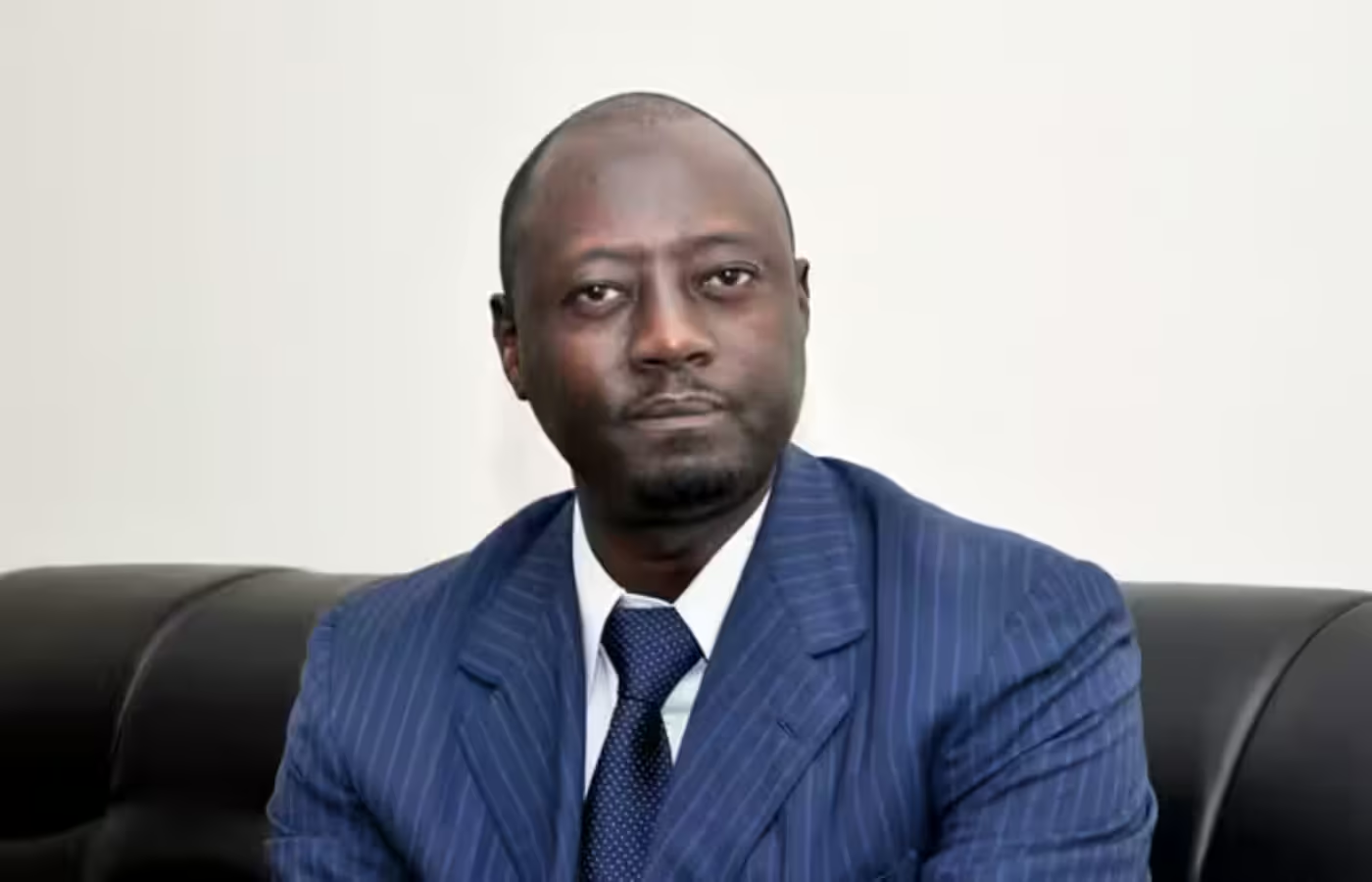
Tolli, the former Governor of the Bank of Central African States (BEAC), was the first to announce his candidacy in February 2024. His bid has been bolstered by early and unified support from two regional blocs: the Economic and Monetary Community of Central Africa (CEMAC) in January and the Economic Community of Central African States (ECCAS) in February. The strong backing makes Tolli a formidable contender in the race.
Albert Zeufack – Cameroon
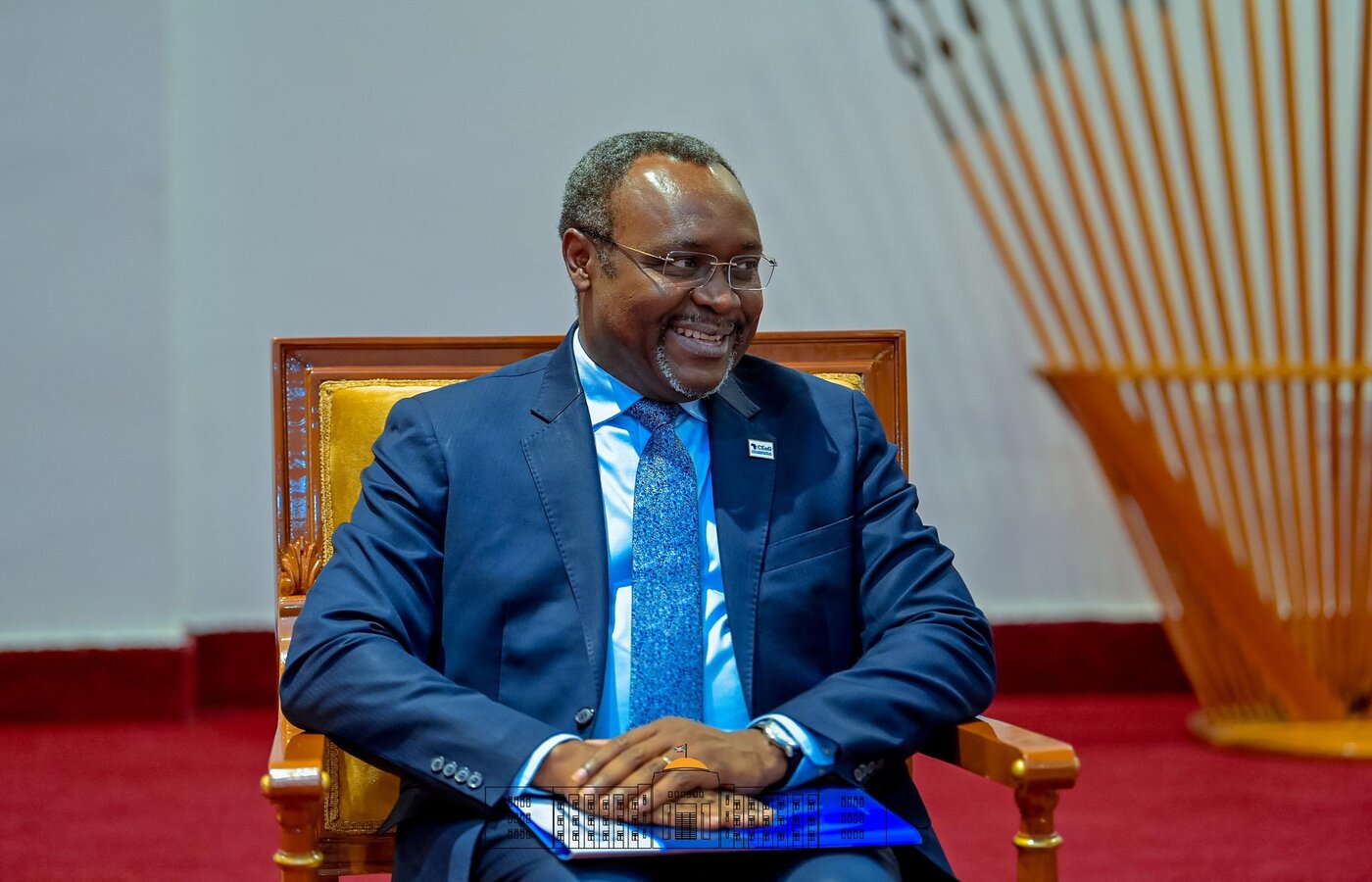
Currently serving as the World Bank Country Director for Angola, Burundi, the Democratic Republic of Congo (DRC), and Sao Tome and Principe, Zeufack brings international development expertise to the table. However, his candidacy appears uncertain, as the Cameroonian government has yet to publicly endorse him. Complicating matters further, his home region, CEMAC, has already thrown its support behind Tolli, leaving Zeufack politically vulnerable.
Rabah Arezki – Algeria
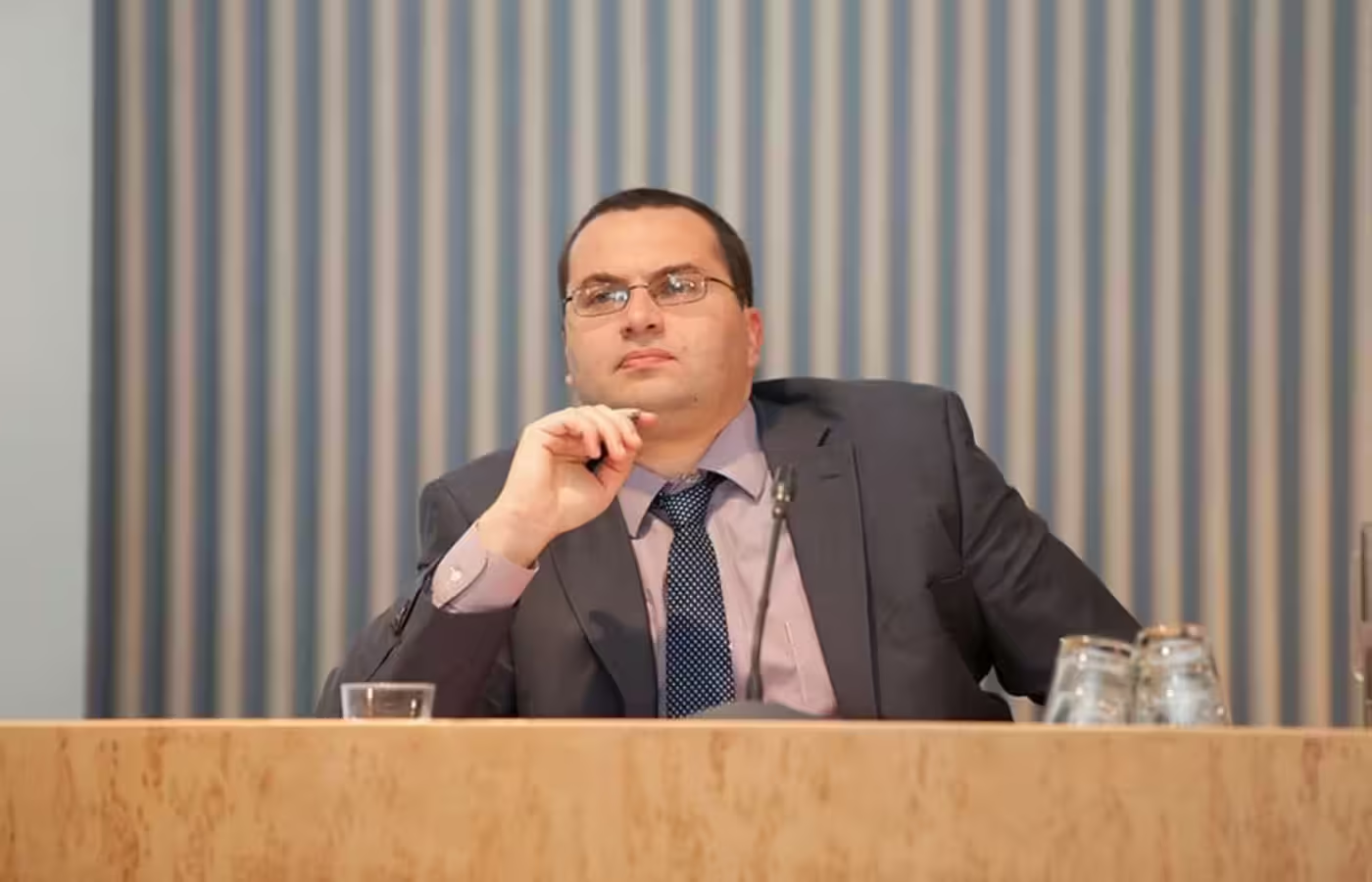
Arezki, an Algerian-French economist, brings deep institutional experience, having served as Chief Economist and Vice President at AfDB since 2020. His resume includes senior roles at the World Bank and International Monetary Fund, where he specialized in commodity markets and economic governance. While his technocratic credentials are widely respected, it remains to be seen how much political backing he can secure on the continent.
Amadou Hott – Senegal
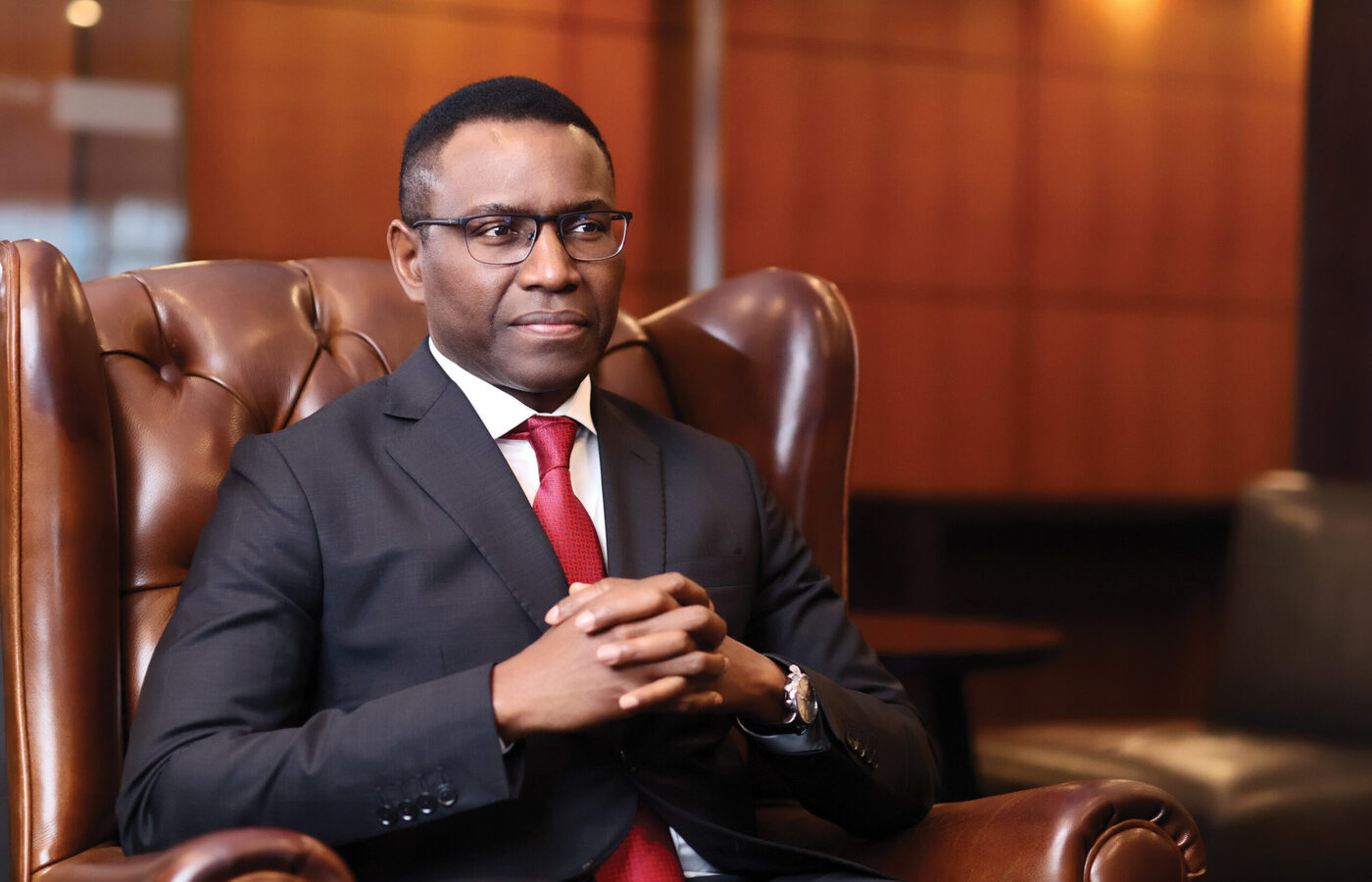
Hott resigned from his role as Special Envoy for the Alliance for Green Infrastructure in Africa (AGIA) in September to officially enter the race. Backed by Senegalese President Bassirou Diomaye Faye, Hott has launched a diplomatic campaign to garner continental support. His pitch is focused on sustainable infrastructure and economic transformation, themes that resonate amid growing climate challenges.
Samuel Munzele Maimbo – Zambia
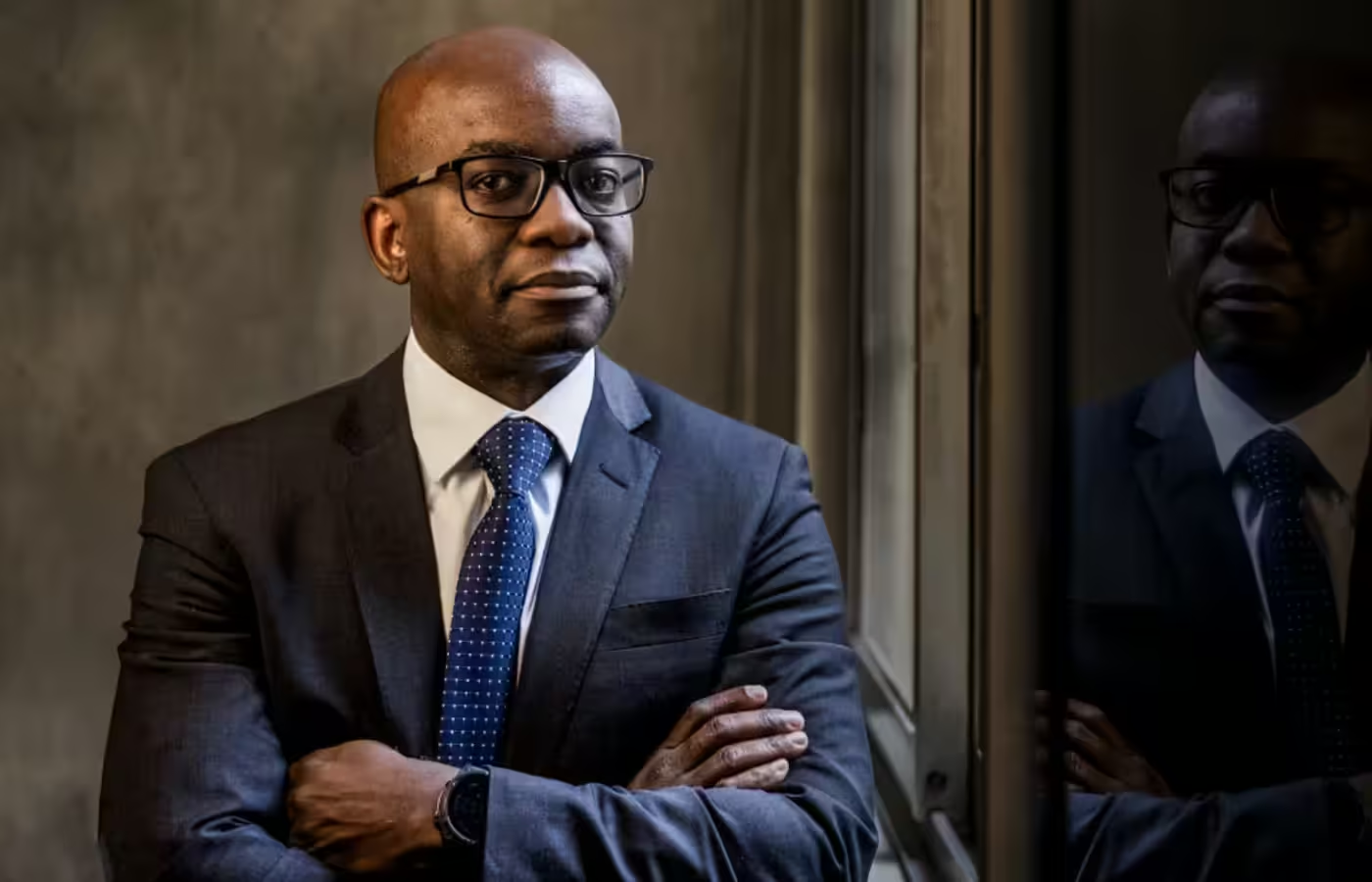
A senior executive at the World Bank, Maimbo is currently Vice President for Budget, Performance Review, and Strategic Planning. He has received strong support from both the Southern African Development Community (SADC) and the Common Market for Eastern and Southern Africa (COMESA). With wide regional backing and a solid international track record, Maimbo is considered a serious contender.
Ousmane Kane – Mauritania
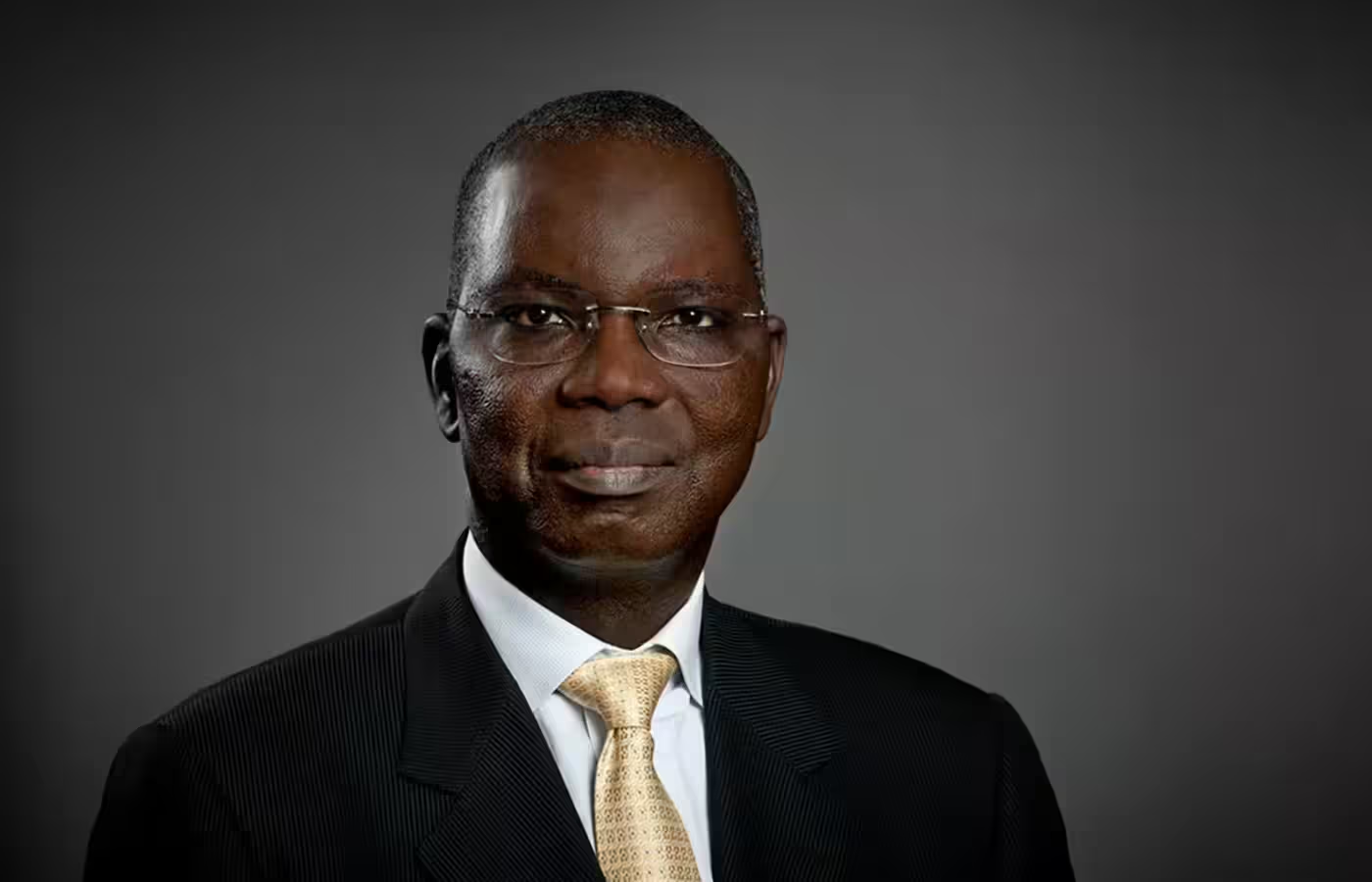
Kane, a former Vice-President at the AfDB, has deep institutional knowledge and longstanding ties to the Bank. He is a close ally of Mauritanian President Mohamed Ould El Ghazouani and is positioning himself as a champion of inclusive and sustainable development. Though less high-profile than some rivals, his familiarity with AfDB operations could play to his advantage.
Swazi Tshabalala – South Africa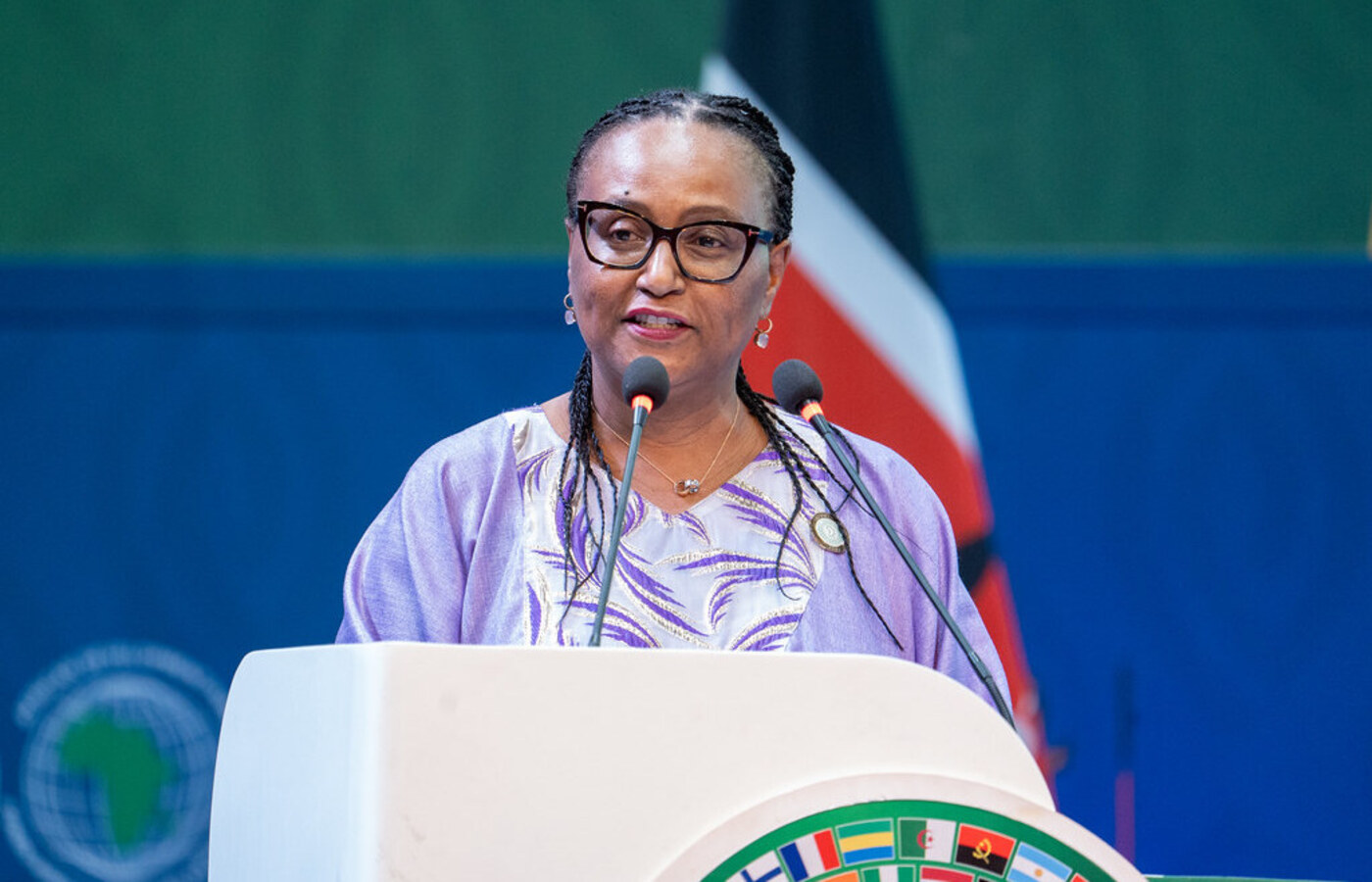
Tshabalala, who joined AfDB in 2018 and rose to become Senior Vice President in 2021, resigned in October to enter the race. Endorsed by the South African government, her candidacy has fractured the usually unified SADC bloc, which controls over 14 percent of voting rights. South Africa’s unilateral backing of Tshabalala—who alone commands more than 5 percent has triggered internal discord within the regional alliance.
Romuald Wadagni – Benin
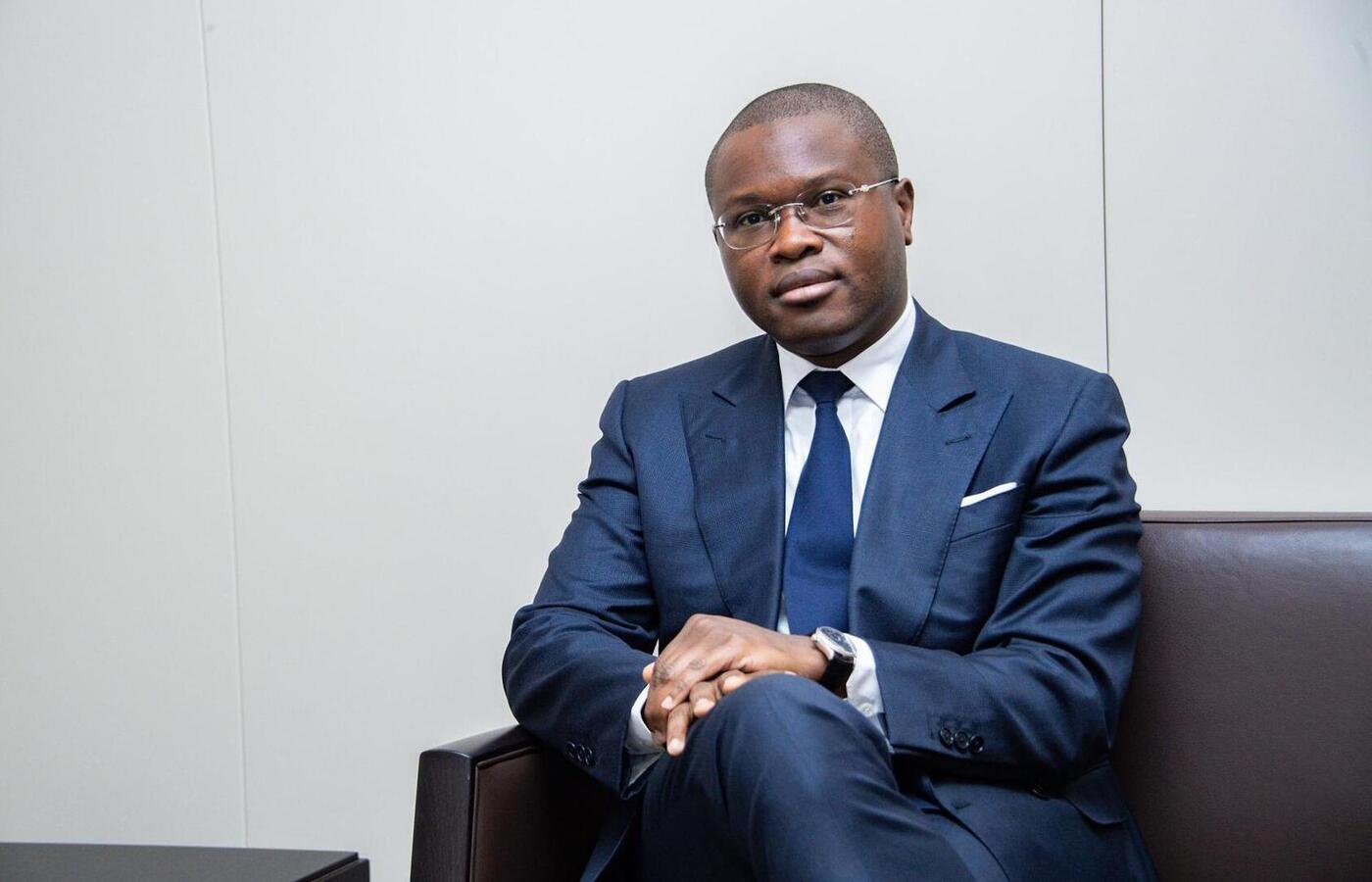
Benin’s Finance Minister, Wadagni, launched his candidacy in July with the full backing of his government. His campaign gained momentum when Benin pledged $2 million to the African Development Fund during its 16th Replenishment Mid-Term Review. With experience in public finance and a reputation for reform, Wadagni is positioning himself as a pragmatic technocrat.
As the 2025 AfDB presidential election approaches, the field remains wide open. While some candidates enjoy strong institutional or regional backing, others are banking on their technocratic experience and reformist visions. The fractured alliances, particularly within SADC and Central Africa, signal that consensus may be harder to achieve than in previous contests.
Observers say the outcome will likely depend on strategic coalitions and behind-the-scenes diplomacy among the Bank’s 81 shareholder countries. With development financing more critical than ever in Africa's post-pandemic recovery and green transition, the choice of the next AfDB president will have lasting implications for the continent’s future.
Who will emerge to lead the institution into its next chapter remains to be seen.




