

By Yared Seyoum
Nigeria will need to increase its economic growth rate fivefold and boost investment in more productive sectors if it is to achieve its target of becoming a 1 trillion US dollars economy by 2030, according to the World Bank’s latest economic report.
The findings, published in the Nigeria Development Update (NDU) titled “Building Momentum for Inclusive Growth,” highlight the urgency of structural reforms to address poverty and broaden the country’s economic base. The report outlines the current growth trajectory as insufficient to meet the government’s development ambitions.
Nigeria, Africa’s largest economy by GDP, recorded 3.4 percent growth in 2024, driven by improvements in non-oil sectors. The fourth quarter of the year saw growth rise to 4.6 percent, the highest annual performance since 2014, excluding the COVID-19 rebound in 2021 and 2022.
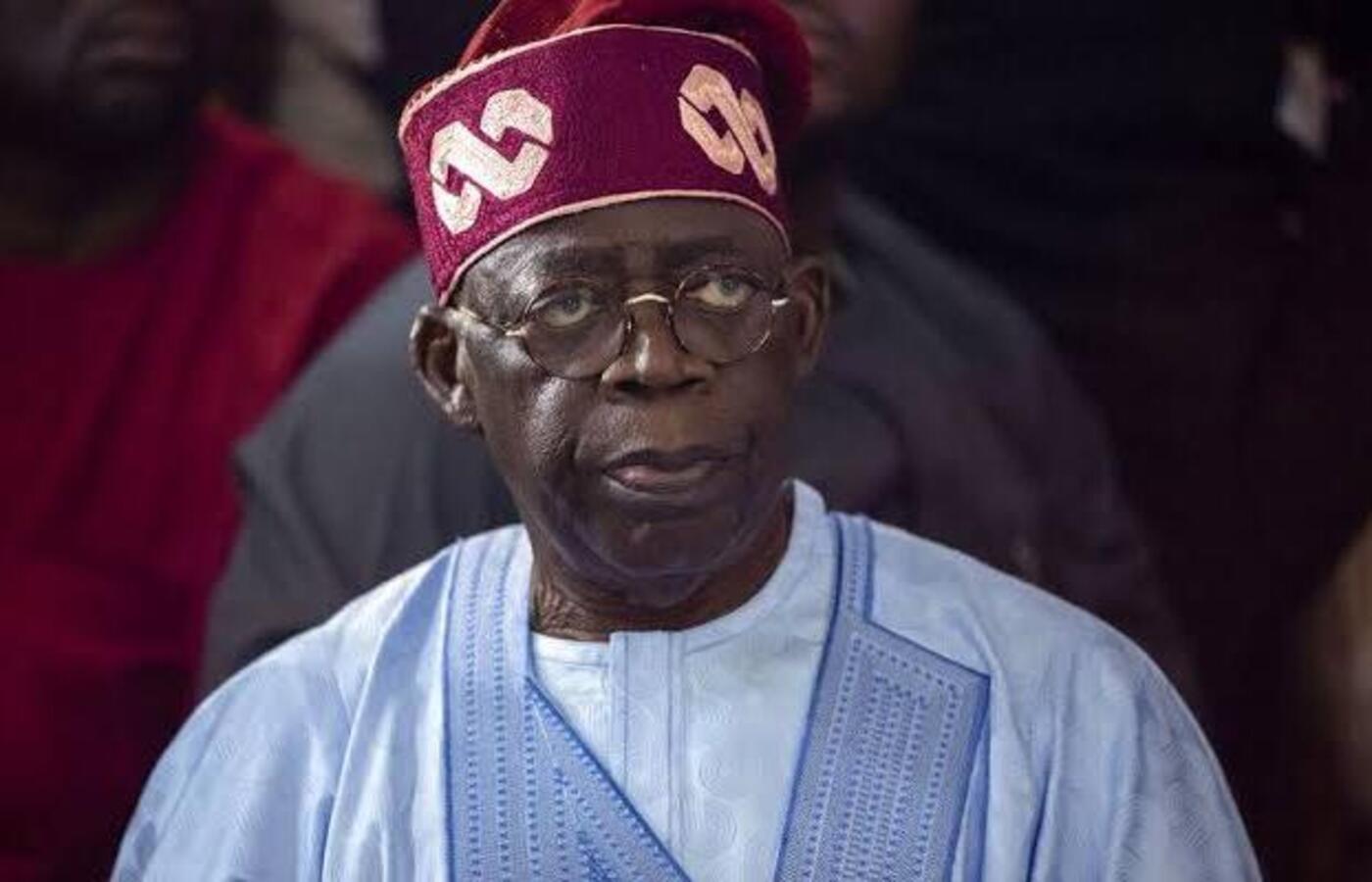
Despite this, the World Bank said growth must accelerate significantly to meet the 1 trillion US dollars GDP target set by the administration of President Bola Tinubu. The bank also cited persistently high poverty levels, a weak business environment, and underinvestment in infrastructure as major constraints.
The report noted improvements in key macroeconomic indicators following recent government reforms. Nigeria’s fiscal deficit declined from 5.4 percent of GDP in 2023 to 3.0 percent in 2024. Government revenue nearly doubled to an estimated N31.9 trillion, or 11.5 percent of GDP, compared to N16.8 trillion in 2023.
Reforms in the foreign exchange market contributed to improved external balances. However, inflation remains elevated. The World Bank projects inflation will average 22.1 percent in 2025, contingent on sustained tight monetary policy and inflation control measures.
Nigeria relies heavily on oil exports, which account for the bulk of government revenue and foreign exchange earnings. However, fluctuating oil prices and production challenges have exposed vulnerabilities in the economy, prompting calls to diversify into sectors such as agriculture, information technology, and financial services.
The World Bank emphasized that higher growth alone would not be sufficient without measures to ensure inclusion. The report recommends shifting government expenditure toward investments in health, education, and infrastructure to create the conditions for broad-based growth.




