

By Yared Seyoum
Boeing is approaching a non-prosecution agreement with the U.S. Department of Justice (DoJ) that would allow the aerospace manufacturer to avert a criminal trial related to two fatal 737 Max crashes, Reuters reported citing sources familiar with the matter.
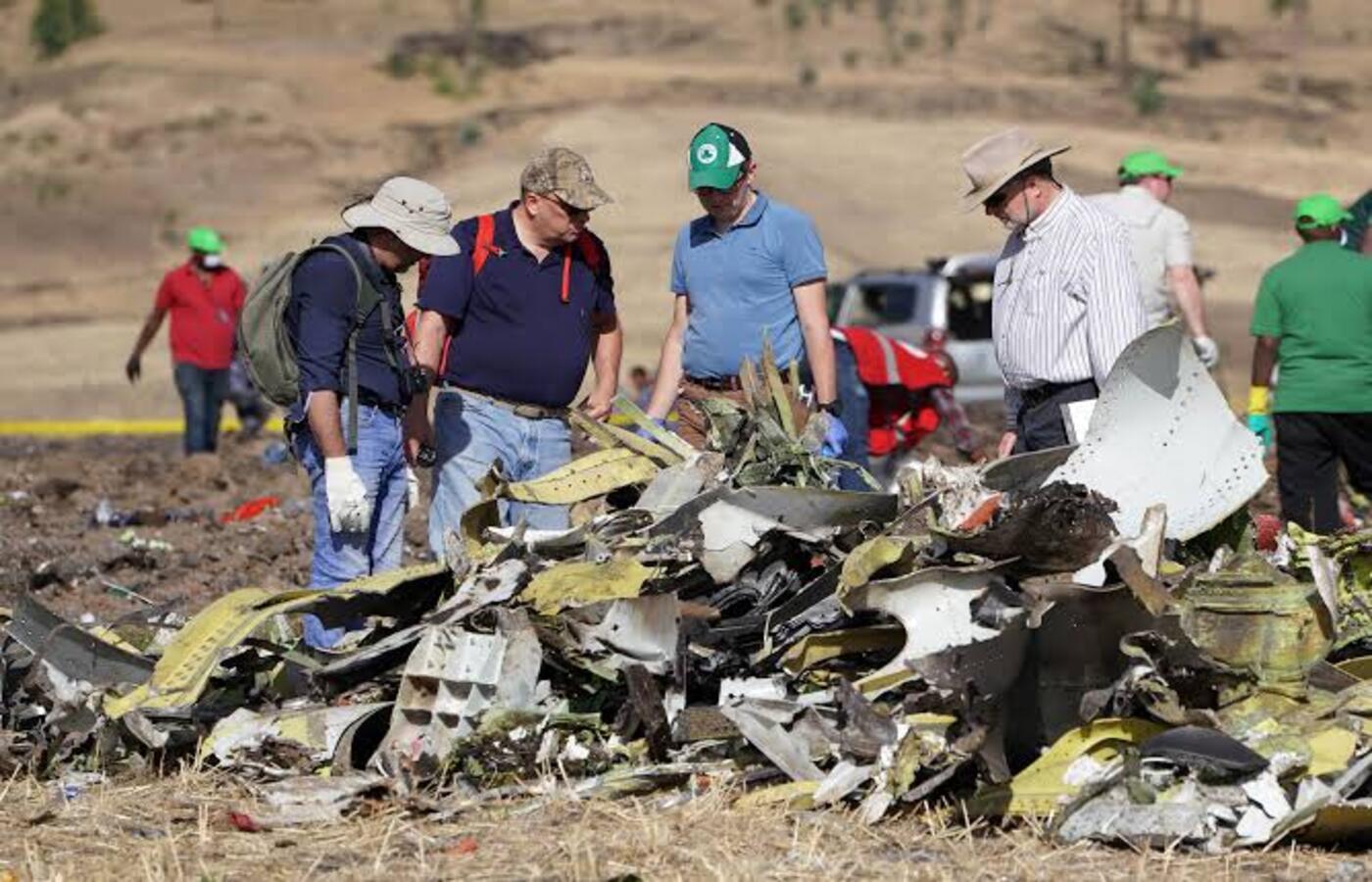
The tentative deal would enable Boeing to avoid a scheduled trial on June 23 over allegations that it misled federal regulators about the Maneuvering Characteristics Augmentation System (MCAS), a critical software implicated in the 2018 and 2019 crashes in Indonesia and Ethiopia, which resulted in 346 fatalities.
A felony conviction could have jeopardized Boeing’s eligibility for U.S. government contracts, including those with the Department of Defense and NASA. While waivers are sometimes granted in such instances, avoiding conviction would help preserve Boeing’s reputation and commercial standing at a precarious moment for the company.
The talks mark a departure from Boeing’s position in mid-2023, when it had indicated willingness to plead guilty to criminal fraud conspiracy and pay a fine of up to 487.2 million US dollars. That stance changed following the rejection of the plea agreement in December by U.S. District Judge Reed O’Connor, who had voiced concern over provisions surrounding the appointment of an independent compliance monitor and described the company’s actions as potentially the “deadliest corporate crime in U.S. history.”
Families of crash victims, who have long pressed for a trial, were informed on May 16 that Boeing no longer intends to plead guilty. During the same meeting, prosecutors indicated that no final decision has been reached and that the DoJ continues to weigh litigation risks against the merits of a non-prosecution deal.
No formal paperwork has yet been exchanged. Nevertheless, the DoJ has reportedly grown more cautious. Prosecutors are said to believe the case carries “meaningful downside risk” if brought before a jury—a concern that has emboldened Boeing to adopt a more assertive legal posture.
Under the latest terms under discussion, Boeing would contribute an additional 444.5 million US dollars to a fund for victims’ families, supplementing the 500 million US dollars previously paid as part of a 2021 deferred prosecution agreement.
That 2021 deal was effectively nullified earlier this year when the DoJ determined Boeing had breached its terms following a mid-air emergency involving a 737 Max 9 operated by Alaska Airlines. The January incident, in which a door plug blew out during flight, intensified scrutiny of Boeing’s safety culture and triggered a cap by the Federal Aviation Administration on monthly Max production.
Despite its legal troubles, Boeing continues to land significant commercial orders. On May 14, CEO Kelly Ortberg appeared alongside President Donald Trump during a visit to Qatar to announce a landmark deal with state-owned Qatar Airways for 160 widebody aircraft—the largest such order in Boeing’s history.




