


Christine Lagarde has never lacked for bold declarations. But when the President of the European Central Bank declared on May 26 that the world is on the cusp of a “global euro moment,” it wasn’t mere economic idealism. It was a strategic intervention. Delivered in Berlin—Europe’s political heart and fiscal gatekeeper—her speech laid out a vision of a post-dollar world, in which Europe could finally step out from behind the shadow of the American empire and assume financial leadership.
To the average European or American, this might read as another arcane tussle between elite currencies. But to those of us in the Global South—especially in economies like Ethiopia, where the dollar is king in everything from reserves to imports to debt repayments—Lagarde’s words are seismic. They carry implications far beyond Frankfurt and Brussels. If the global monetary order is shifting, we need to ask: is this good news for us? Or just a new empire in a different suit?
Lagarde’s argument was simple: erratic US economic policy, declining geopolitical credibility, and rising global demand for stability have created an opening for the euro to rise. The dollar’s share of global reserves has slipped to 58 percent, its lowest level in decades. Investors have fled to gold—not euros, not renminbi, not even Swiss francs. There is a vacuum of trust.
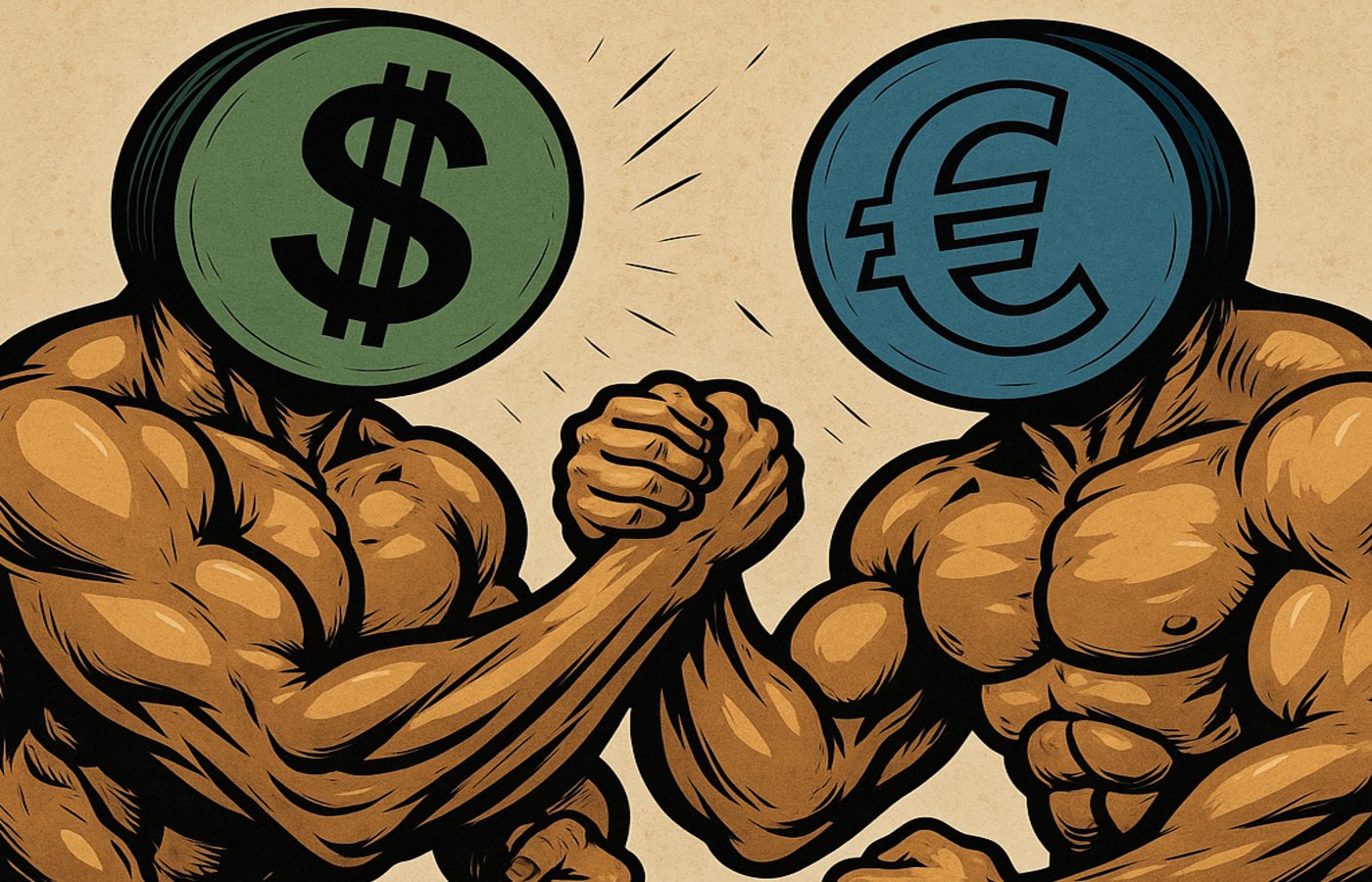
Lagarde believes Europe can fill it—if it gets serious. That means issuing EU-backed safe assets, completing the capital markets union, and yes, flexing military muscle to prove it can honor alliances with “hard power.” This was not just a financial argument. It was a geopolitical one.
But before we in Addis Ababa or Accra or Nairobi start celebrating the end of dollar dominance—or bracing for a new financial overlord—there is a reality check. The euro’s rise is anything but guaranteed. And even if it does rise, the Global South must ask: whose stability is being secured? And at what cost?
For countries like Ethiopia, where over 80 percent of reserves are held in dollars and nearly all major debt is dollar-denominated, the stakes could not be higher. Our economies do not move in sync with the Federal Reserve, yet we suffer the consequences of its decisions. When the Fed hikes interest rates to curb inflation in Los Angeles, it becomes harder to import medicine into Addis or pay for fuel in Harar. When the dollar strengthens, our birr weakens—and our debts deepen. This asymmetry, built into the architecture of global finance since Bretton Woods, has long been accepted as unavoidable. Lagarde is suggesting it no longer has to be.
Yet swapping one anchor currency for another may not solve the underlying problem. As long as global trade and finance are governed by a system in which developing economies are price-takers—not rule-makers—currency diversification may simply mean diversifying vulnerabilities. Ethiopia’s future won’t be secured by whether Brussels or Washington sets the benchmark. It will be secured when we build financial systems that are resilient, independent, and regionally integrated.
The Dollar’s Strategic Retreat
For much of the post-World War II era, the US dollar functioned not just as a currency but as a pillar of the global order. From oil contracts in the Gulf to sovereign debt in Africa, from reserve holdings in Asia to trade finance in Latin America, the dollar was the lingua franca of globalization. It was a currency, yes—but also a passport to legitimacy, a mechanism for surveillance, and a symbol of power.
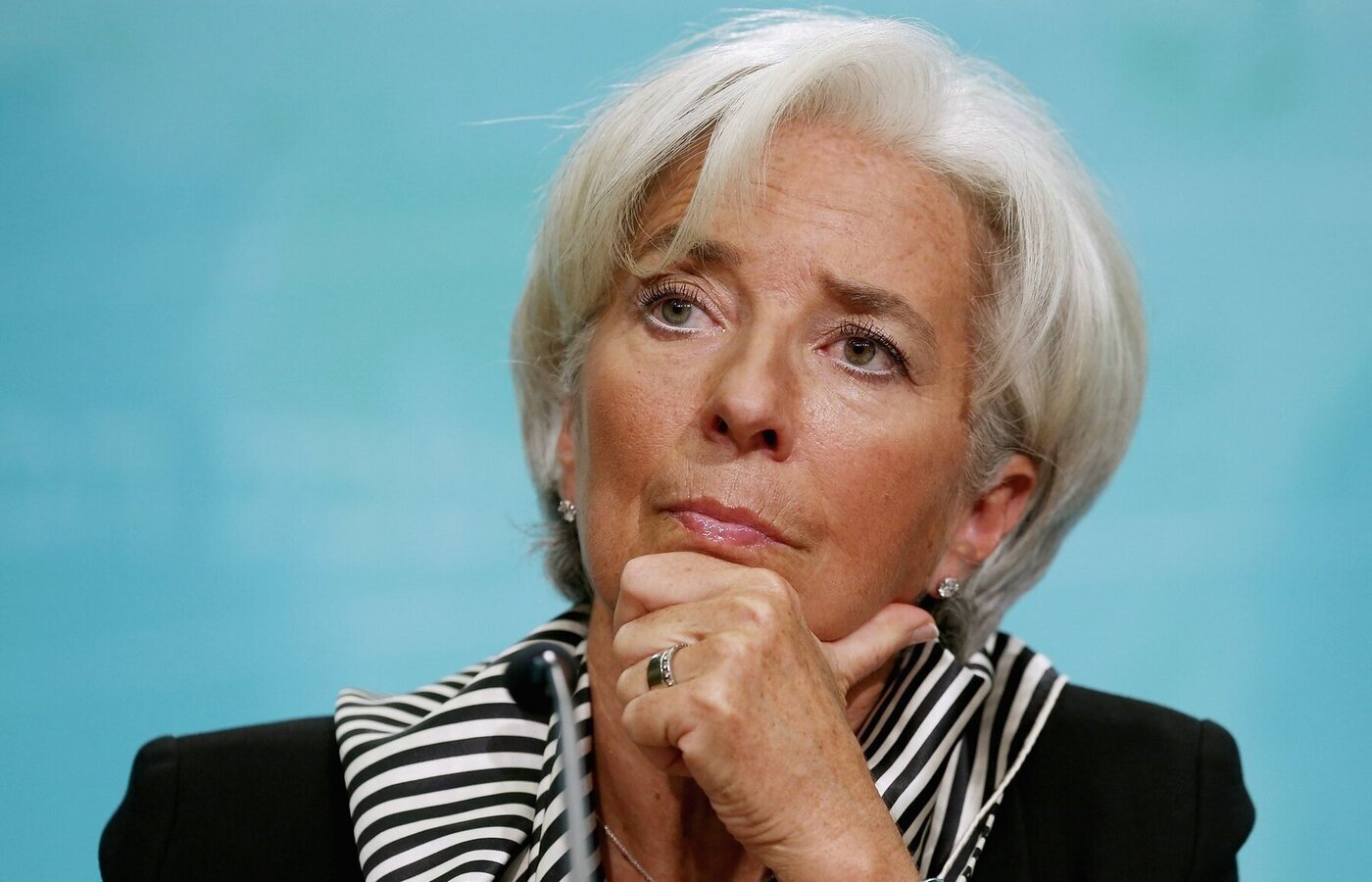
But Christine Lagarde is right about one thing: that order is slowly eroding.
The dollar’s share of global reserves has fallen from over 70 percent in 2000 to 58 percent in 2025. Still dominant, yes—but trending downwards. This erosion hasn’t come from a sudden revolt but from a thousand small reallocations by central banks, sovereign wealth funds, and private investors trying to hedge against uncertainty. Ironically, it is not the rise of other currencies that is dethroning the dollar. It is American dysfunction.
From the January 6 insurrection to repeated debt ceiling crises, from erratic monetary policy to protectionist trade wars, the United States has turned political instability into a global economic liability. Investors notice. Central bankers, particularly in the Global South, remember what happened when the Federal Reserve abruptly hiked rates in 2022–2023. Dozens of currencies collapsed. Debt burdens exploded. Capital flight returned. In short, America’s internal convulsions triggered external pain—and not just for its geopolitical rivals, but for its dependents.
This is where Lagarde’s proposition finds traction. If trust in the dollar is no longer automatic, alternatives—no matter how flawed—start to look attractive. But here lies the paradox: the dollar remains dominant not because it is flawless, but because the alternatives are fragmented. The euro, the renminbi, and SDRs all offer partial solutions but lack the liquidity, legal infrastructure, and geopolitical consistency that make the dollar not just strong, but usable.
Developing economies like Ethiopia don’t need symbolic alternatives. They need real ones: currencies that can be used for trade, that are accepted by creditors, and that hold value in a crisis. Lagarde’s task, therefore, is not just to argue that the dollar is vulnerable. It is to prove that Europe can do better.
The Dollar Trap: How Ethiopia and Its Peers Became Hostage to Greenbacks
Ethiopia’s economic entanglement with the US dollar is not an accident. It is a structural dependency that dates back decades and has only deepened with globalization.
Roughly 80 percent of Ethiopia’s external reserves are held in US dollars. Virtually all sovereign debt is dollar-denominated. Critical imports—fuel, pharmaceuticals, machinery—are priced in dollars. Donor funding, remittances, even foreign direct investment are channeled through dollar corridors. This system was supposed to ensure access to the world’s most liquid currency. What it has done instead is export volatility.
Every time the Federal Reserve raises rates, Ethiopia pays more to service its debt. Every time the dollar strengthens, the birr weakens—driving up inflation and eroding real incomes. And every time the US imposes sanctions or reshuffles trade priorities, the periphery feels the burn.
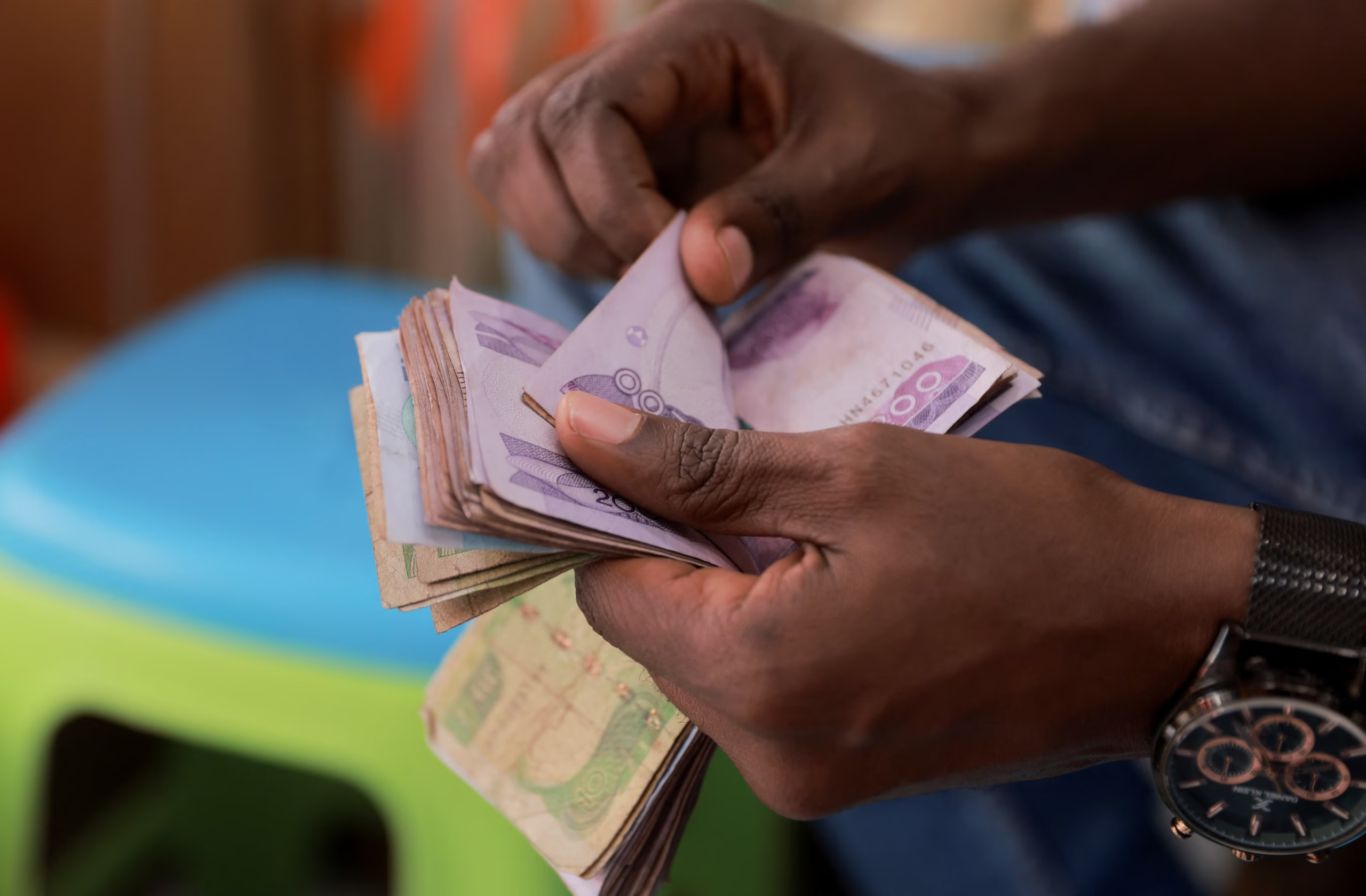
This isn’t just Ethiopia’s story. It’s a pattern across much of the Global South.
In Latin America, dollar-denominated bonds have caused default cycles. In Asia, dollar shortages triggered the 1997 crisis. In Africa, dollar scarcity often determines not just market prices but state survival.
Lagarde’s message—that a multipolar currency world is possible—therefore resonates. But for Ethiopia, the goal is not just to swap dollars for euros. It is to escape the logic of dependency altogether.
Policy Options for Ethiopia and Developing Economies
If Lagarde is right and the euro is rising, Ethiopia must prepare. But not through blind alignment. Rather, through strategic currency diversification and institutional reform.
Here’s what that looks like: first diversify Reserve Holdings: The National Bank of Ethiopia (NBE) can begin to hold more euros, yuan, and gold—gradually reducing exposure to the dollar. This won’t happen overnight but should be a ten-year strategy. And secondly, issue Euro-Denominated Bonds: If Europe is serious about expanding the euro’s role, it should support African sovereigns in issuing eurobonds with guarantees or blended finance tools.
Ethiopia should also invest in Pan-African Payment and Settlement Systems (PAPSS) and link them with the EU’s financial infrastructure to allow direct settlement in local currencies or euros. Multilateral lenders and bilateral partners should also allow countries to denominate new loans in a mix of currencies—or adjust repayment terms based on exchange rate movements.
This is not about rejecting the dollar. It’s about hedging the future.
Decolonizing the Global Reserve System
Lagarde’s euro dream is not Africa’s revolution. But it is an opening—perhaps the most significant in decades.
The end of dollar dominance will not liberate the Global South on its own. But it can create room. Room for countries like Ethiopia to define monetary policy on their terms. Room to negotiate debt with dignity. Room to build regional alliances not around scarcity, but around choice.
The dollar system was never neutral. It was a design—a design that privileged some and punished others. If a new system is being built, we must insist on being at the table.
The future of money is being negotiated in Frankfurt, in Washington, in Beijing. But it must also be negotiated in Addis, in Abuja, in Nairobi.
Because if we don’t write the new rules, we will be bound by them.
Zelalem Tamir is an economist. He can be reached at zelalemteamir@gmail.com.




