

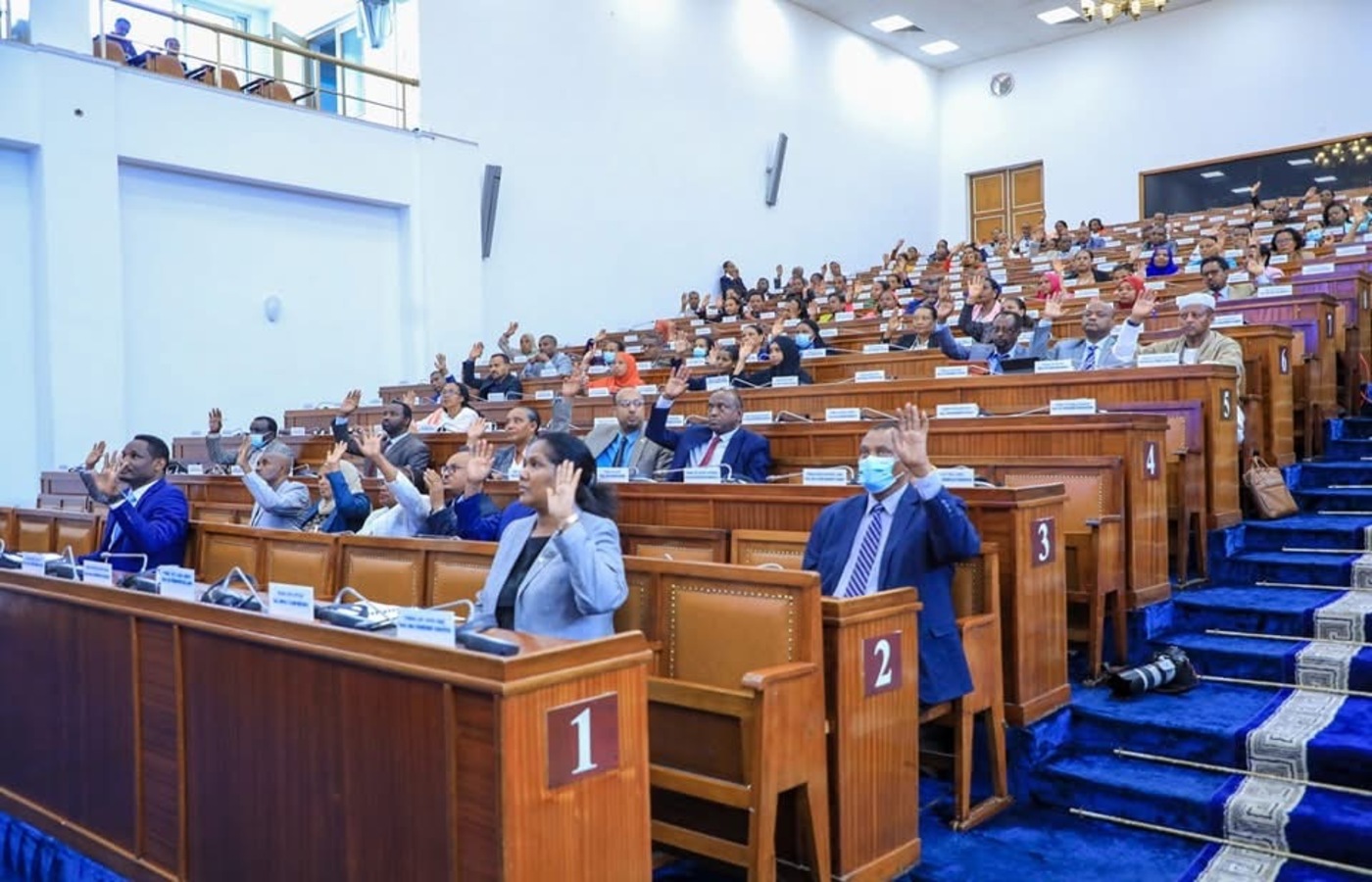
Ethiopia’s Parliament has repealed a controversial clause in its new disaster risk management legislation that would have mandated contributions from the salaries of public and private sector workers, bowing to concerns over the financial burden such a measure would place on employees.
The revised Disaster Risk Management Proclamation, passed on Thursday, no longer includes the provision requiring salary deductions for the so-called Disaster Risk Response Fund, a public financing mechanism designed to support national preparedness, response, and recovery efforts in the event of natural or man-made disasters.
The fund, first proposed in early 2025, is expected to draw its income from a mix of government budgetary allocations, donor contributions, and a series of service-based levies. These include fees imposed on telecom services, flight tickets, digital banking, business licensing, and civil documentation such as passports and visas. The legislation also allows revenue from loans extended by financial institutions to feed into the fund.
The clause requiring employee contributions—described in the original draft as deductions from “net salaries paid to employees of government and private organizations”—had sparked criticism from civil society groups and opposition lawmakers. Concerns centered on equity and affordability in a country where formal employment is limited and inflation remains stubbornly high.
The repeal was motivated by fears that salary deductions would amount to a regressive tax. “There was a sense that the provision ignored the financial stress already felt by many workers,” said one person familiar with the legislative process. “Removing it was an effort to avoid creating resentment and ensure the fund’s legitimacy.”
Even as the salary clause was struck down, lawmakers preserved provisions allowing the government to raise funds through indirect charges on essential services. Some argue this approach could disproportionately affect lower-income consumers, particularly in urban centres, where services like telecoms and digital banking are increasingly ubiquitous but still costly.
The fund will now rely heavily on earmarked budget shares from federal authorities and the administrations of Addis Ababa and Dire Dawa, alongside voluntary contributions and donor financing. Officials insist this approach remains sustainable, citing international donor interest and potential for domestic fundraising.




