

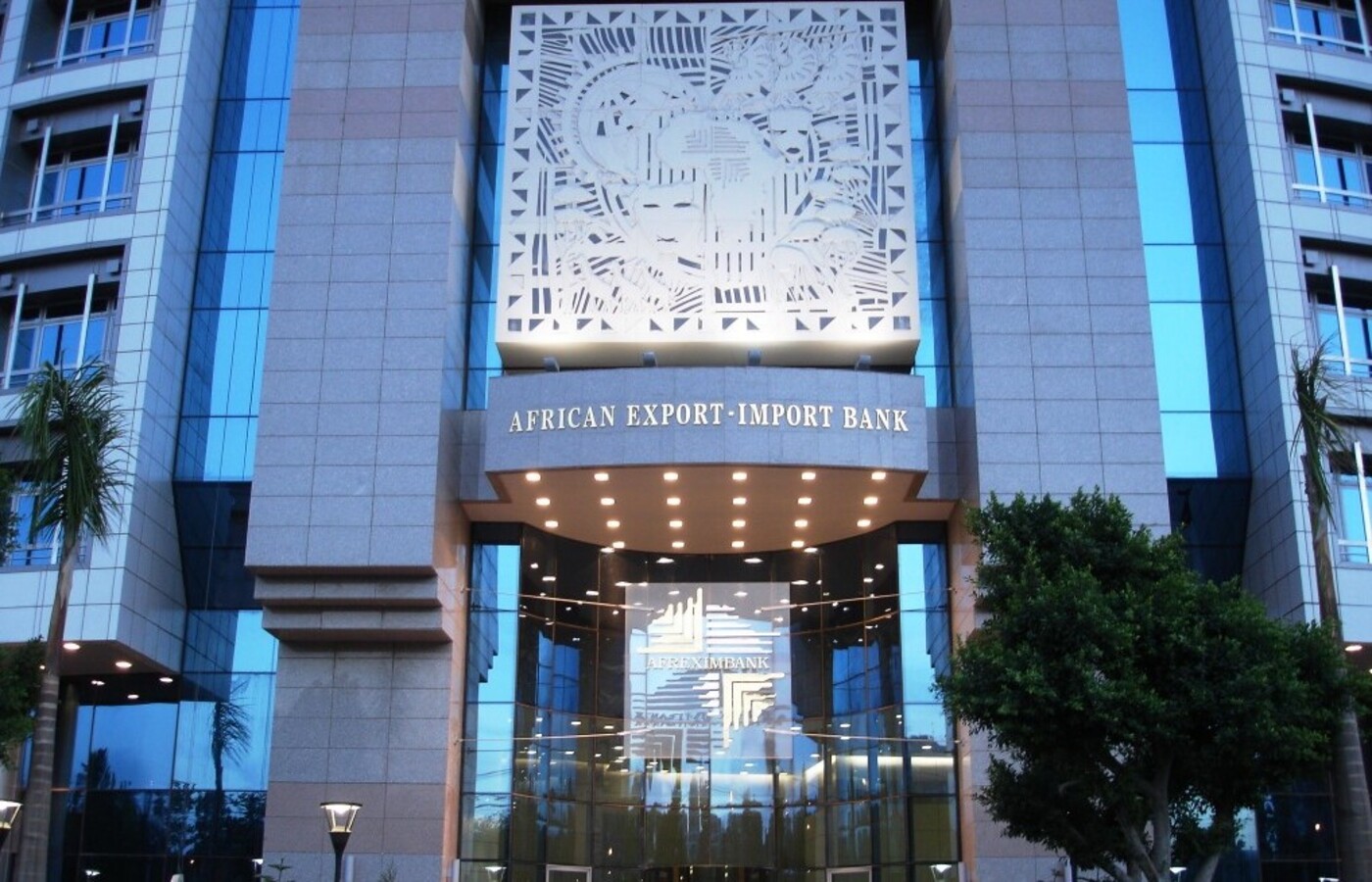
The African Export-Import Bank (Afreximbank) has issued a formal response to Fitch Ratings’ June 4, 2025, downgrade of its long-term foreign currency issuer default rating from ‘BBB’ to ‘BBB-’ with a negative outlook, rejecting the agency’s concerns over non-performing loans (NPLs) and affirming its robust financial position and adherence to its founding treaty.
The statement follows criticism from the African Peer Review Mechanism (APRM), which labeled Fitch’s methodology as “analytically and legally flawed” for misclassifying sovereign loans to Ghana, Zambia, and South Sudan as NPLs.
Afreximbank emphasized its strict compliance with International Financial Reporting Standards (IFRS), particularly IFRS 9, which governs loan classification and NPL treatment.
The bank reported an NPL ratio of 2.44 percent for Q1 2025, well below its strategic ceiling of four percent, contrasting with Fitch’s estimate of 7.1 percent.
The bank attributed this discrepancy to Fitch’s failure to account for its forward-looking approach, as detailed in its 2024 Financial Statements and external auditors’ report.
Fitch acknowledged Afreximbank’s strong capitalization, high collateralization, and robust liquidity, noting an “a” liquidity rating and high-quality treasury assets. The agency also recognized the bank’s provisions against sovereign exposures, which could mitigate potential losses. However, it raised concerns about transparency and governance, citing borrower-shareholder influence and a perceived risk of debt restructuring among sovereign borrowers.
Afreximbank firmly rejected any involvement in debt restructuring, citing its 1993 founding treaty, signed by 53 African member states, which grants it preferred creditor status and prohibits such actions.
The bank argued that Fitch’s negative outlook, based on potential debt restructuring, overlooks this legal framework, which ensures repayment obligations by member states. The APRM echoed this, asserting that classifying these loans as NPLs is “legally incongruent” absent formal defaults or debt repudiation.
The bank highlighted its financial resilience, reporting a 29 percent increase in net income to 973.5 million US dollars for 2024 and a 21 percent rise to 215 million US dollars for Q1 2025, alongside shareholders’ funds of 7.5 billion US dollars. Its liquidity profile strengthened, with liquid assets comprising 20 percent of total assets, up from 13 percent at the end of 2024.




