

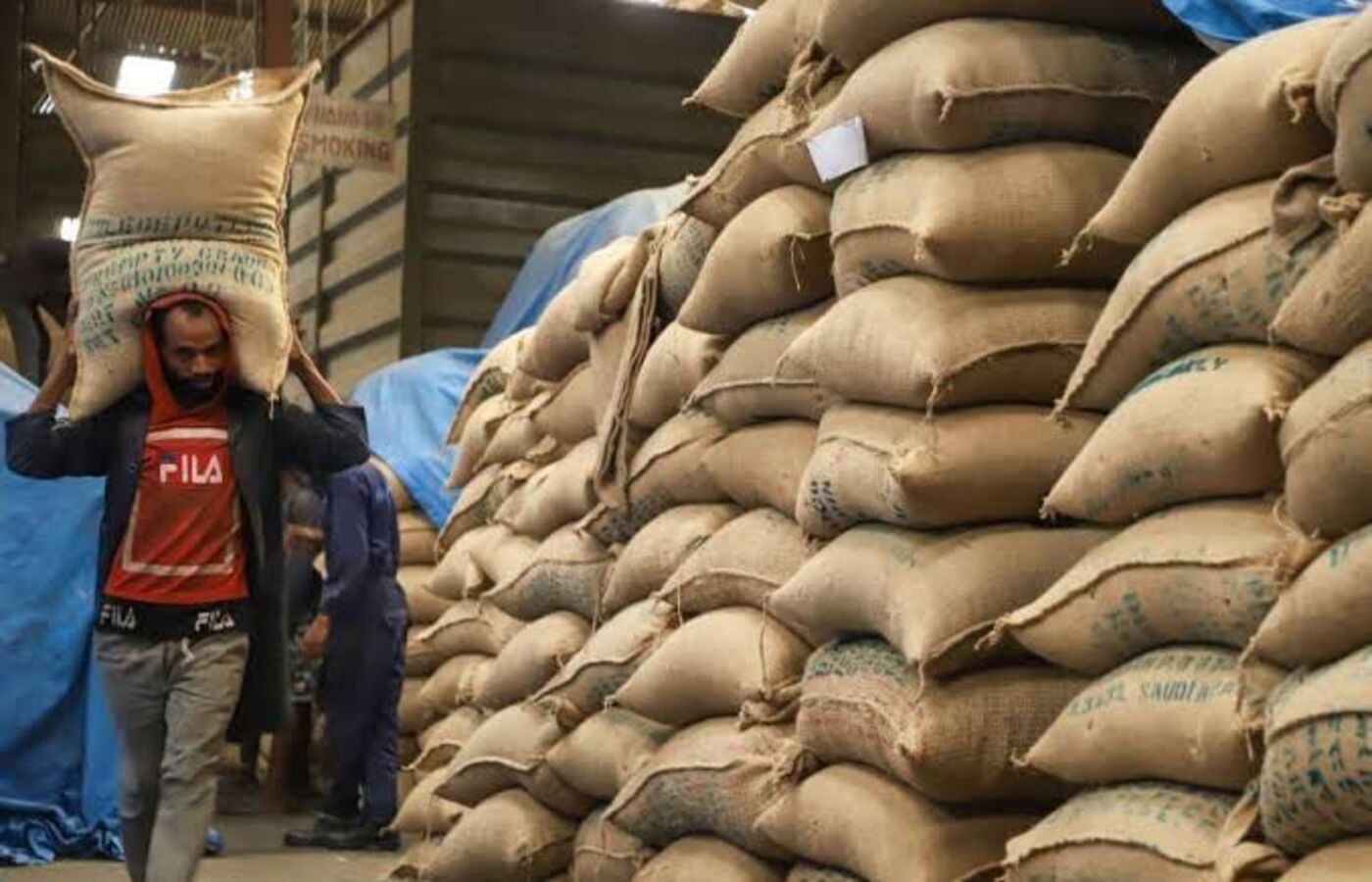
Ethiopia is poised to achieve record coffee production in the 2025/26 market year, with output forecast to reach 11.6 million 60-kilogram bags, according to new estimates from the United States Department of Agriculture (USDA). This nine percent year-on-year increase signals a high-stakes moment for Africa’s largest coffee producer as it attempts to climb the global export rankings through structural reform, productivity enhancements and strategic market diversification.
The USDA’s latest Foreign Agricultural Service (FAS) report, which offers a detailed outlook on the Ethiopian coffee sector, highlights the impacts of a multi-year government intervention to rejuvenate aging trees, expand cultivated area and open new routes to international buyers. The result: a revitalised sector with rising yields and export potential — but one also vulnerable to external shocks and regulatory headwinds.
A Record Crop Backed by Long-Term Investment
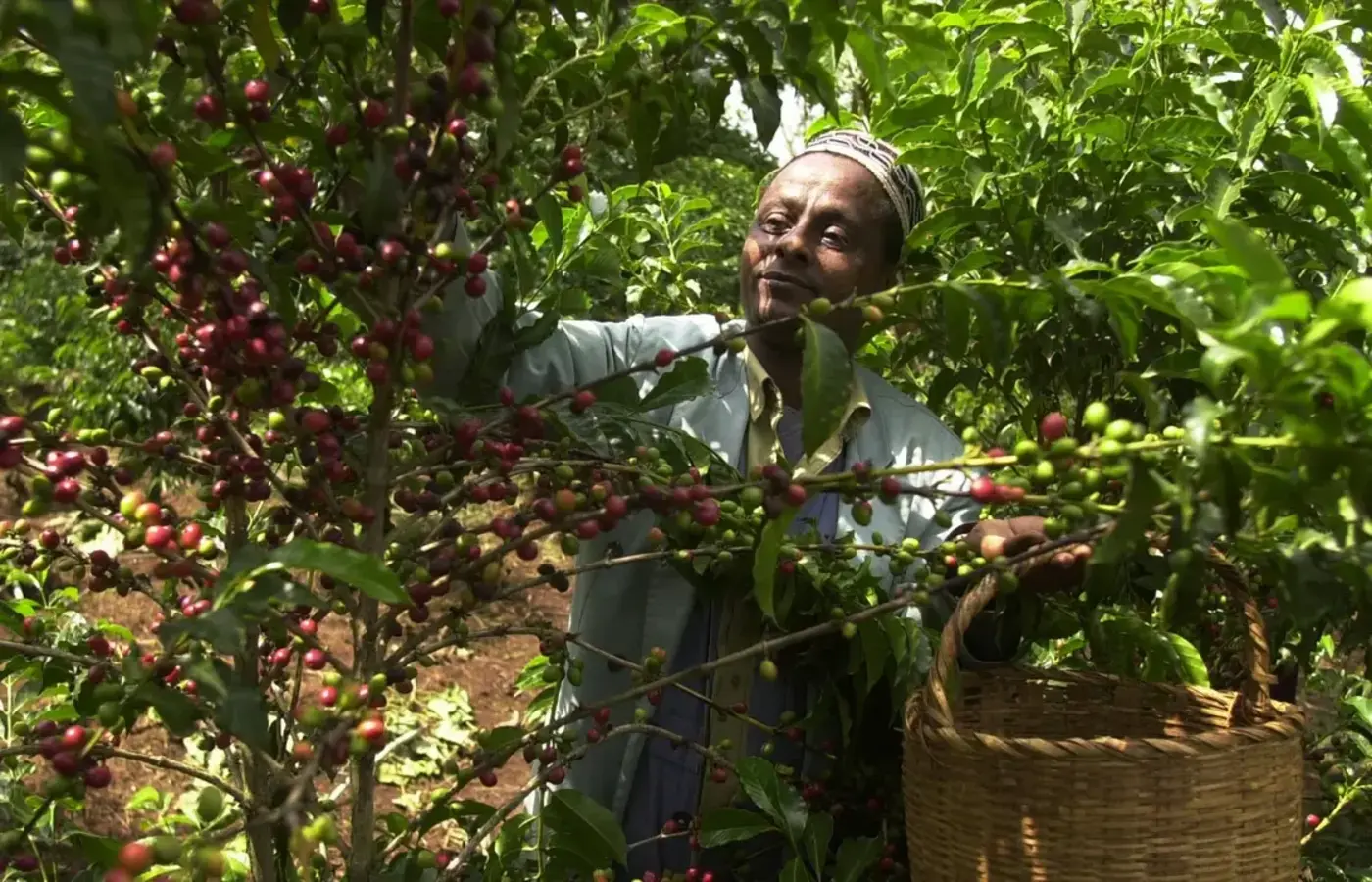
Coffee farming has long been a cultural and economic backbone of Ethiopia, employing over 15 million people and generating more than a quarter of total export earnings. But the sector has historically underperformed relative to its potential due to fragmented value chains, low productivity and limited foreign market access.
The 2025/26 forecast marks a turning point. Total output is expected to rise to 11.6 million bags, up from 10.65 million bags in 2024/25. That growth is being driven by a 9 percent rise in harvested area, now covering 790,000 hectares, and yield improvements to 0.88 metric tons per hectare — a notable achievement in a country where most coffee is still grown by smallholder farmers under traditional methods.
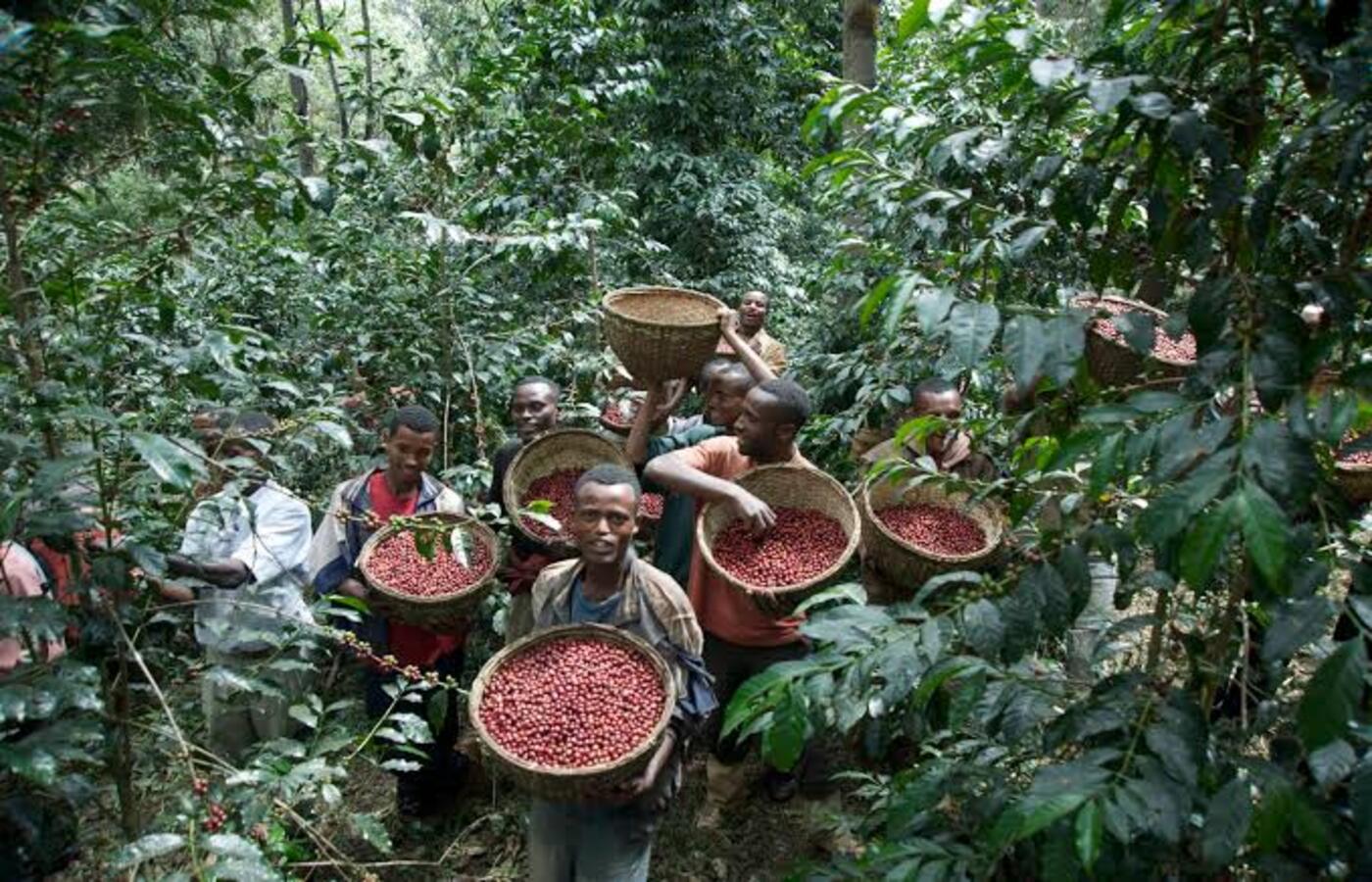
At the heart of this production boost is a state-led rejuvenation campaign. More than 450,000 hectares of aging trees have undergone stumping — a pruning method that boosts productivity — while farmers have been provided with improved seedlings, fertilizer and agronomic training. The effects began to surface in 2024/25 and are expected to be more pronounced in the coming season.
Export Boom: Over 2 Billion US Dollars and Rising
Ethiopia’s coffee exports are projected to grow to 7.8 million bags in 2025/26 — an 11.4 percent increase from the current year — as the country leverages new trade policies to capture more value from international markets.
The export boom is already reflected in earnings. In the first 10 months of the current fiscal year (July 2024–April 2025), coffee export proceeds surpassed 2 billion US dollars, marking an unprecedented milestone for the sector. This performance significantly outpaces the 1.7 billion US dollars earned in 2023/24 and underscores coffee’s growing dominance in the export portfolio.
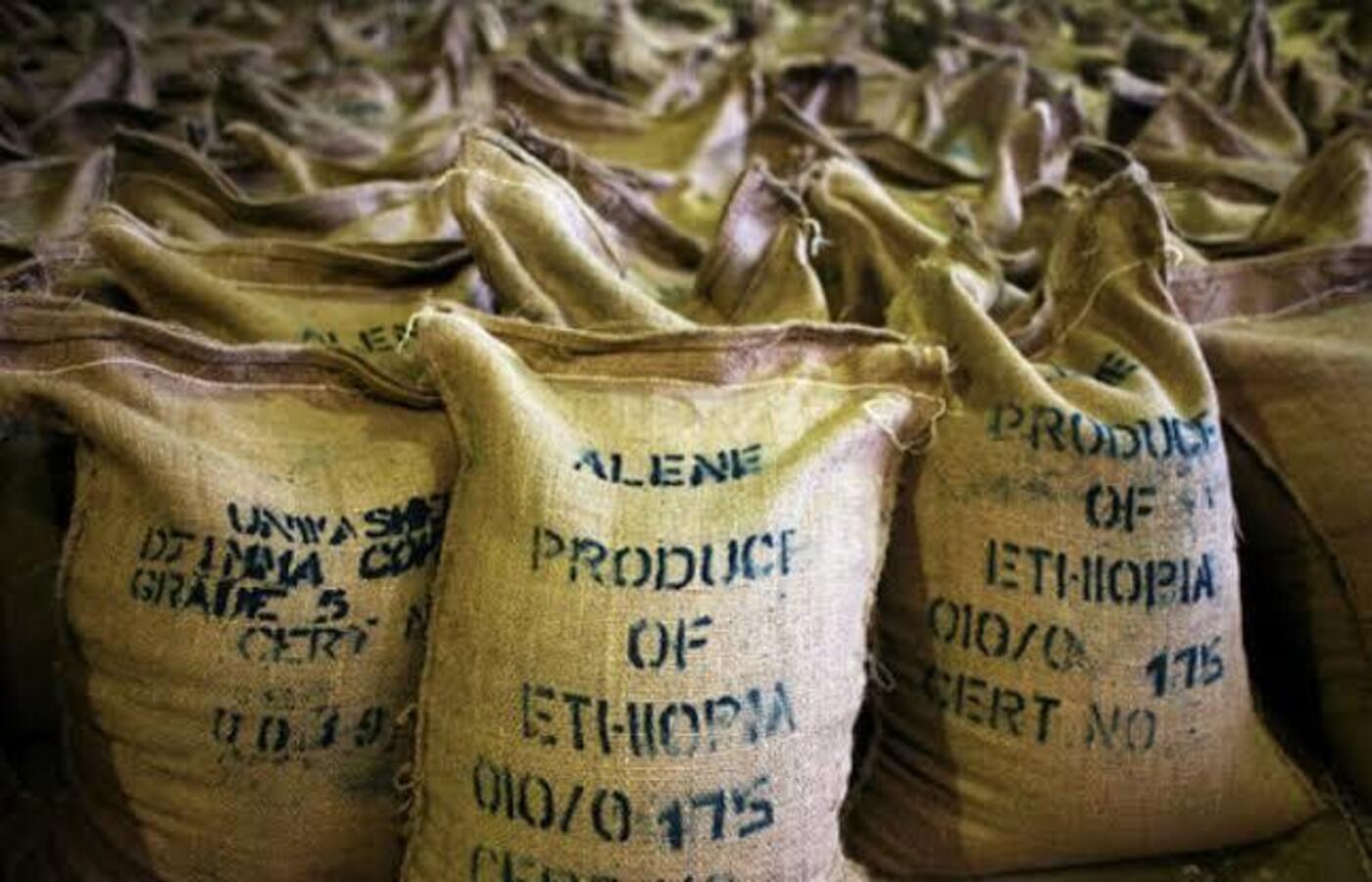
The volume story is equally striking. In 2023/24, Ethiopia exported 5.63 million bags, a 44 percent increase from the previous year. Revenue rose 36 percent year-on-year — a strong signal of both demand resilience and price tailwinds. Export prices surged from 270–280 cents per pound in mid-2024 to 423 cents per pound by April 2025, mirroring global arabica price trends amid tightening supply in Brazil and Vietnam.
Germany, Saudi Arabia, Belgium, the United States, South Korea and Japan remain Ethiopia’s top markets, with the US accounting for seven percent of total volume in 2023/24. Meanwhile, roasted coffee exports more than tripled to over 27,000 bags last year, signalling early success in domestic value-added production.
Reforms Unleash Supply Chain Flexibility
The government’s Comprehensive Coffee Development Strategy (2019–2033) aims to transform Ethiopia into the world’s second-largest coffee exporter by 2033 and to generate 4 billion US dollars in annual export earnings.
To that end, structural reforms have targeted bottlenecks and opened up the sector: farmers and private actors bypased the Ethiopian Commodity Exchange (ECX) and export directly. Foreign firms are permitted to export raw coffee, creating new capital inflows and global linkages. And oversight has shifted from the Ministry of Trade to the Ethiopian Coffee and Tea Authority, and commercial banks are now authorised to issue export permits.

In tandem, a minimum export price mechanism—adjusted weekly—has been designed to align domestic prices with international benchmarks, reduce informal trade and enhance price stability.
Domestic Demand: Steady and Cultural
Even as Ethiopia pushes to expand its global footprint, domestic consumption remains strong. Forecast at 3.7 million bags in 2025/26 (up from 3.6 million in 2024/25), internal demand is underpinned by a deep-seated coffee tradition, rising urbanisation and growing appeal among younger consumers.
With per capita consumption around 2.3 kilograms, the domestic market also competes with exporters for high-quality arabica — a dynamic that helps sustain farmer prices but may complicate supply during tight seasons.
Storm Clouds on the Horizon?
Despite the sector’s momentum, headwinds are gathering. The USDA cautions that coffee production in Ethiopia remains vulnerable to climate shocks, political instability and regulatory risks.
A particular concern is the European Union’s Deforestation Regulation (EUDR), which will require traceability for coffee entering EU markets starting in 2025. Though the USDA report does not speculate on its impact, compliance will pose significant challenges in a country where millions of smallholders supply untraceable lots to central markets.




