

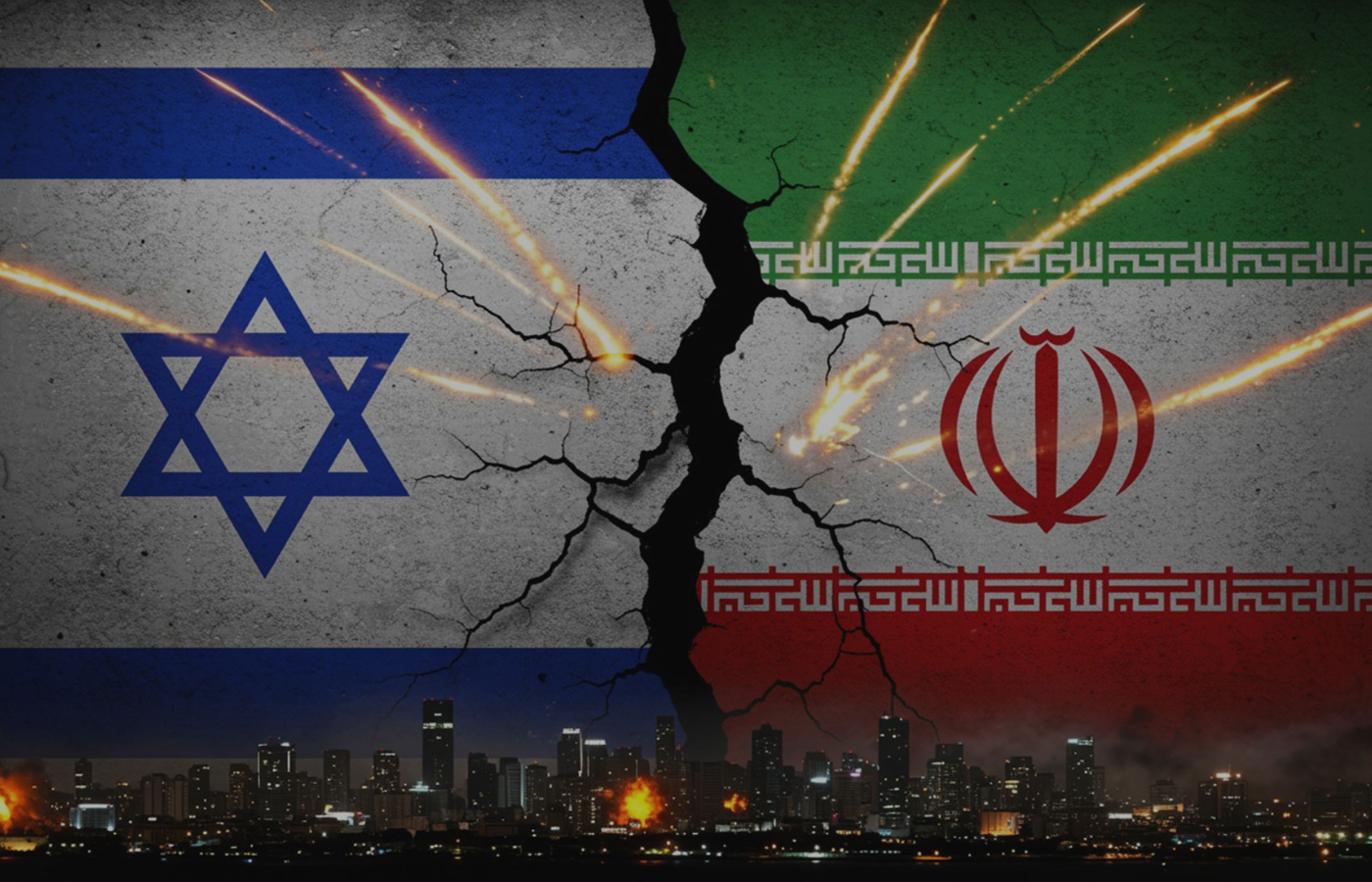
This week, the Israel–Iran confrontation sharply escalated. According to news reports, Israel launched “its biggest-ever” air offensive on Iran’s territory, striking over 150 military and nuclear sites and killing scores of Iranian military officers and scientists. Iran immediately retaliated with waves of missiles and drones aimed at Israeli cities, leading to air‐raid sirens in Tel Aviv and other urban areas.
Both sides exchanged dire threats: Israel’s defense minister warned “Tehran will burn” if attacks on Israeli civilians continued, while Iran vowed to target U.S., British, and French bases if Western powers intervened to protect Israel. These strikes have caused dozens of casualties on each side (including at least four Israeli civilians killed and dozens wounded) and have drawn global attention to the risk of wider war.
Impact on Middle East Stability and Trade Routes
The conflict has unsettled regional stability and key trade corridors. Already, the Persian Gulf and Red Sea were flashpoints due to the Yemen war and Houthi attacks on shipping. Recent months saw U.S. and U.K. naval deployments to protect Red Sea trade, and IMF analysts reported a roughly 50 percent collapse in Suez Canal traffic in early 2024 as shippers rerouted around Africa. With Israel’s strikes on Iran, major shipping bodies (Greece, UK) have advised their fleets to avoid the Red Sea/Gulf of Aden and to report all voyages through the Strait of Hormuz.
Industry analysts warn even the threat of missiles or mines could paralyze maritime traffic; for example, a single wave of Houthi attacks in late 2023 forced many container lines to divert ships around the Cape of Good Hope. The surrounding seas are increasingly militarized—the U.S. has struck hundreds of Houthi targets in Yemen to protect shipping—underscoring that Red Sea trade is under strain and could be further disrupted.
The oil market has reacted strongly to the crisis. Oil prices jumped dramatically on news of the hostilities: Brent crude spiked as much as 13 percent intraday (settling about 5–9 percent higher). Analysts warn that any closure of the Strait of Hormuz (through which ~20 percent of world oil passes) would send prices even higher.
Global stock markets also tumbled on rising war risks, and regional currencies and bonds were sold off. For example, the Israeli shekel fell over three percent in two trading days, and investors noted that regional bond spreads and debt-default insurance costs have widened on fears of a broader Middle East war. In sum, the escalation has already fed inflationary pressure (via higher oil costs) and shaken confidence in the Middle Eastern economic outlook.
Implications for Ethiopia’s Economy
The Ethiopian business community should be alert: the Iran–Israel confrontation could indirectly affect Ethiopia’s economy through multiple channels. Below we examine key areas of impact.
Trade, Ports, and Logistics
Ethiopia imports and exports mainly via Red Sea ports (especially Djibouti) and the Suez route. Disruptions in these corridors would slow and raise the cost of trade. Shipping advisories to avoid the Red Sea/Gulf of Aden and rising fear of missile or mine attacks mean carriers may detour around Africa, adding weeks to transit times.
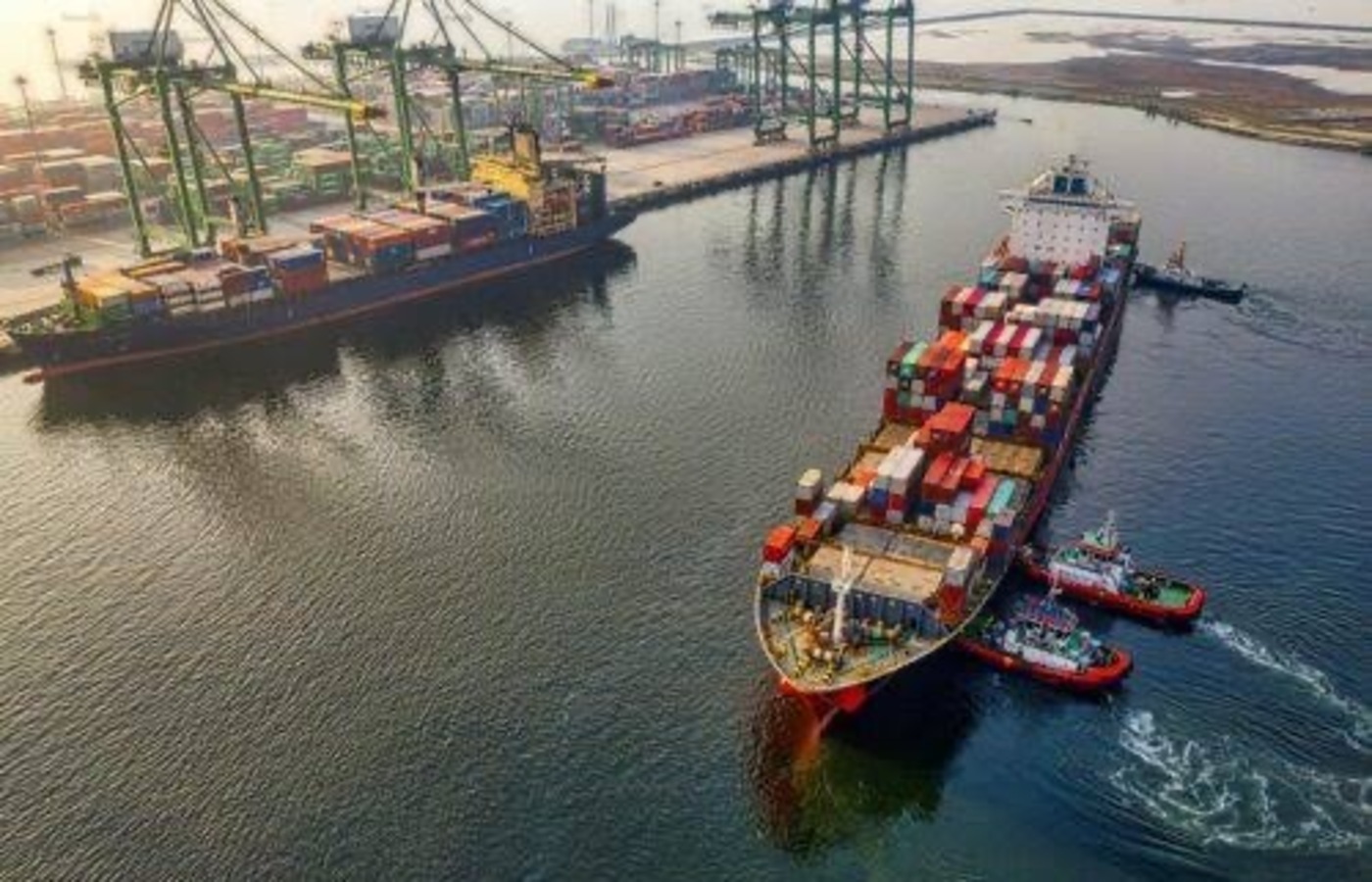
In fact, IMF analysis found that after previous Red Sea attacks, Suez-bound cargo fell ~50 percent and African port calls dropped 6–7 percent. This suggests Ethiopian imports (food, machinery, inputs) could be delayed, while exports (coffee, oilseeds, gold, etc.) face sluggish bookings.
A container closure (through Hormuz) would force African shipments through longer routes (e.g., via India) and “cause a spike in ocean freight container shipping rates.” Ethiopian firms should anticipate higher freight charges and slower deliveries. Naval forces (U.S., EU) are now patrolling the Red Sea, and the EU’s Aspides mission remains on alert, but as long as risk persists, logistics will be tighter.
Fuel and Energy Prices
Ethiopia is a net oil importer, so soaring global oil prices immediately raise local fuel costs. Within days of the strikes, Brent crude was at five-month highs (over 80 US dollars/barrel). Analysts warn prices could climb above 100 US dollars if regional infrastructure is hit. Higher oil import bills translate into more expensive petrol, diesel, and kerosene in Ethiopia.

Already, IMF analysts noted that energy costs are a key driver of inflation. The birr may weaken if oil imports surge, further inflating prices. Businesses that rely on fuel (transporters, manufacturers, airlines) will face immediate cost pressure. Policymakers should note that any sustained global oil price jump could undo Ethiopia’s recent disinflation gains. In the short run, Ethiopia may need to absorb or subsidize some fuel costs to avoid sharp price spikes for consumers and industries.
Remittances and Diaspora Flows
Remittances are a vital foreign-currency source for Ethiopia—roughly five to six billion US dollars annually (over five percent of GDP). Many Ethiopian migrants work in Middle Eastern countries (Gulf states, Israel, etc.), so regional turmoil could affect their jobs and ability to send money home. For example, if Gulf economies slow or implement hiring freezes, migrant incomes may fall. Even temporary banking or travel disruptions (as air routes adjust to the conflict) could delay transfers.

Prior to this crisis, Ethiopian authorities expected remittances to jump ~25 percent in 2025. A serious regional war might mean actual inflows grow more slowly or even contract. Any reduction in remittances would tighten Ethiopia’s forex reserves (which just recently tripled under IMF programs) and limit funds for household spending. The government and banks should therefore facilitate efficient, formal transfer channels (digital remittances, diaspora bonds, etc.) to secure and track these critical flows.
Inflation and Cost of Living
Rising global prices will feed into Ethiopia’s inflation. Higher fuel and transport costs push up food and goods prices. Ghanaian analysts already warned fuel prices could rise 5–7 percent due to the conflict—similar effects are likely in Ethiopia’s urban markets. Ethiopia’s inflation, which had been cooling (to ~13 percent in March 2025), could accelerate again. The impact will hit low-income families hardest (for whom fuel and food take large budget shares).
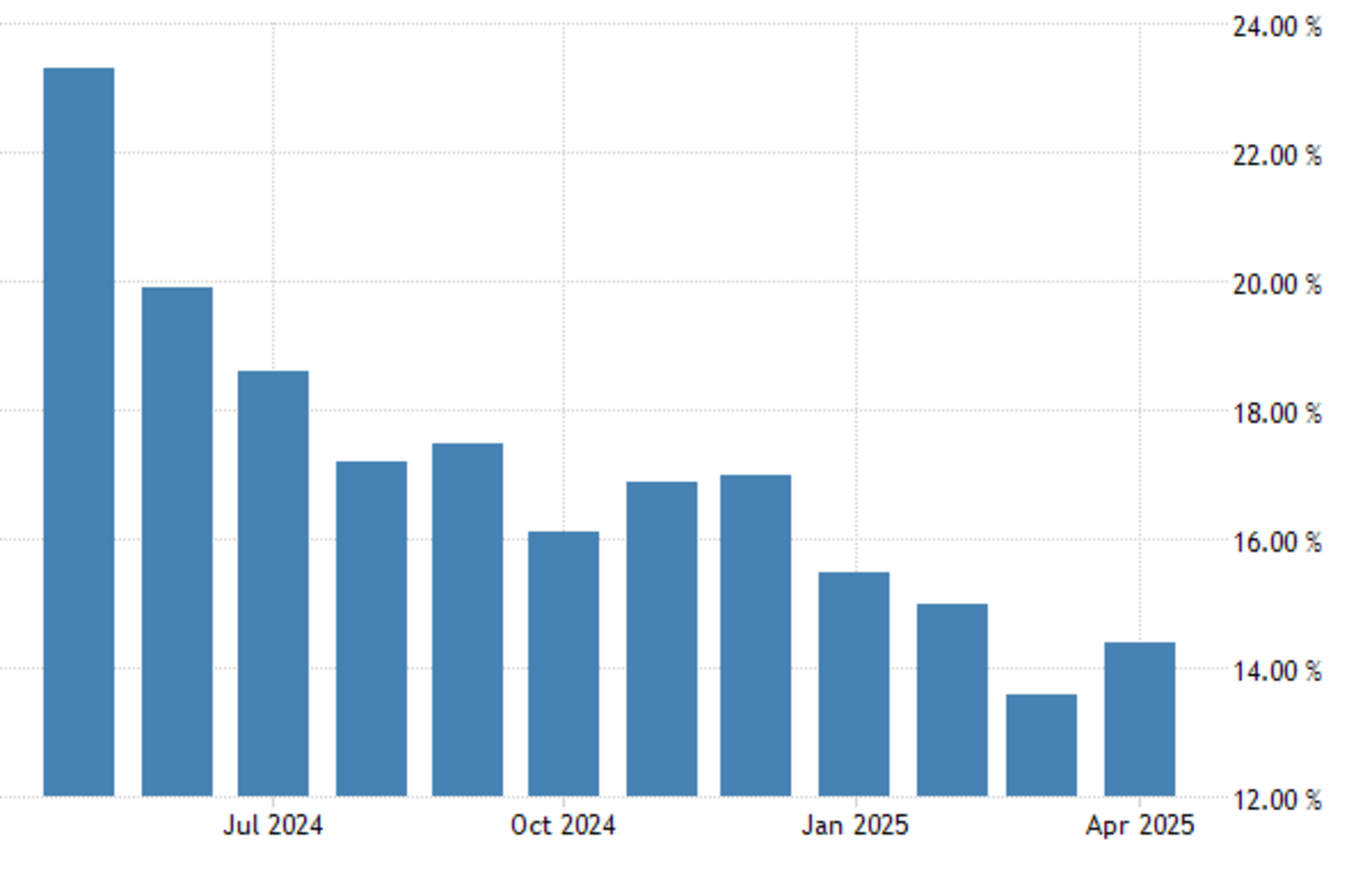
Policymakers should watch inflation forecasts closely: IMF analysis warns that these shocks “could cause upward pressure on inflation” if supply chains remain disrupted. In response, the National Bank may need to consider tightening or using part of Ethiopia’s growing reserves to stabilize the birr. Contingency plans (targeted subsidies on fuel or staples, or cash transfers to the poor) could be prepared to cushion the most vulnerable against temporary price surges.
Investment Climate and Risk Perception
The new hostilities raise risk perceptions across frontier markets. Regional stock markets and currencies have already fallen in the wake of Israel–Iran tensions. Ethiopia may see similar caution: foreign investors could pull back or delay capital inflows if they fear regional instability spreading or a global downturn.
For example, global analysts have warned that the Iran–Israel clash “creates an overhang for investor appetite.” Financing costs could rise slightly for Ethiopia, especially if the birr weakens. On the other hand, some global investors might seek safe-haven assets—but Ethiopia is not usually viewed that way. The government should therefore redouble its efforts to reassure investors (continuing liberalization reforms, maintaining fiscal discipline under the IMF program, etc.) so that Ethiopia remains an attractive destination even in an uncertain world.
Recommendations for Ethiopian Businesses and Policymakers
The first task should be strengthening supply-chain resilience. Build buffer stocks of key imports (fuel, grains, medicines) to cushion delays. IMF analysis of past Red Sea disruptions notes that prolonged delays can slow import growth and even reduce customs revenues. Firms should pre-order critical inputs where possible, and finance long-lead inventory. The government can coordinate with customs and port authorities to ensure efficient processing of diverted cargo and anticipate shortfalls in import duties.
Ethiopia should also accelerate development of alternative corridors. The pipeline and rail link to Djibouti are vital, but plans for new ports and railways (e.g., the Lamu port and Berbera link) should be prioritized to reduce single-route dependence. Shipping advisories to avoid the Red Sea highlight that maritime transit can become a chokepoint; overland and alternative sea routes (though longer) provide strategic insurance. In the very short term, pay close attention to shipping advisories (e.g., Greece/UK warnings) and route international suppliers via the safest available path.
Businesses should also consider hedging contracts or fuel price swaps to lock in current prices before further rises. The economy should also press on with renewable-energy investments (solar, wind, etc.) to reduce oil import dependency in the medium term. Even at the household level, programs encouraging LPG or electric cooking can mitigate gasoline-driven inflation.
Given that diaspora remittances (almost five percent of GDP) are crucial, Ethiopia should ensure no disruptions in formal transfer channels. Banks and money-transfer operators could be authorized to increase operating hours or use digital platforms to handle any surges. Policymakers might also consider “diaspora bonds” or investment certificates to encourage migrants to remit or invest funds locally, thereby turning volatility into a capital-flow opportunity.
In the meantime, the central bank should be ready to adjust monetary policy if inflation spikes. The government could earmark a portion of the enhanced foreign reserves (now triple last year’s level) as a stabilization fund for essential imports or social support. Temporary subsidies or targeted cash transfers for the poorest can help offset fuel and food price shocks without triggering excessive demand.
To counter risk aversion, Ethiopia must continue its ongoing reforms and macro stability. For instance, it can highlight successful inflation control (from ~30 to ~13 percent last year) and the IMF program’s progress. Clear communication that Ethiopia’s political stance is neutral and that it prioritizes regional trade stability may reassure foreign investors that the country will not be drawn into conflicts.
At the end, as Ethiopia cannot deploy naval forces, but it should work with international maritime security efforts. Sharing intelligence with coalition navies in the Red Sea (e.g., EU’s Aspides mission, U.S. CMF coalition) can help protect Ethiopian-flagged vessels and cargo. Liaising with neighboring countries (Djibouti, Somalia) on anti-piracy and port security will also protect the Red Sea gateway.
By taking these steps—many of which align with IMF advice on trade shocks—Ethiopian firms and policymakers can reduce the economic fallout from the Iran–Israel conflict. Planning ahead, preserving hard-currency reserves, and maintaining strong ties with all major partners will help Ethiopia weather external shocks and safeguard growth and livelihoods at home.




