

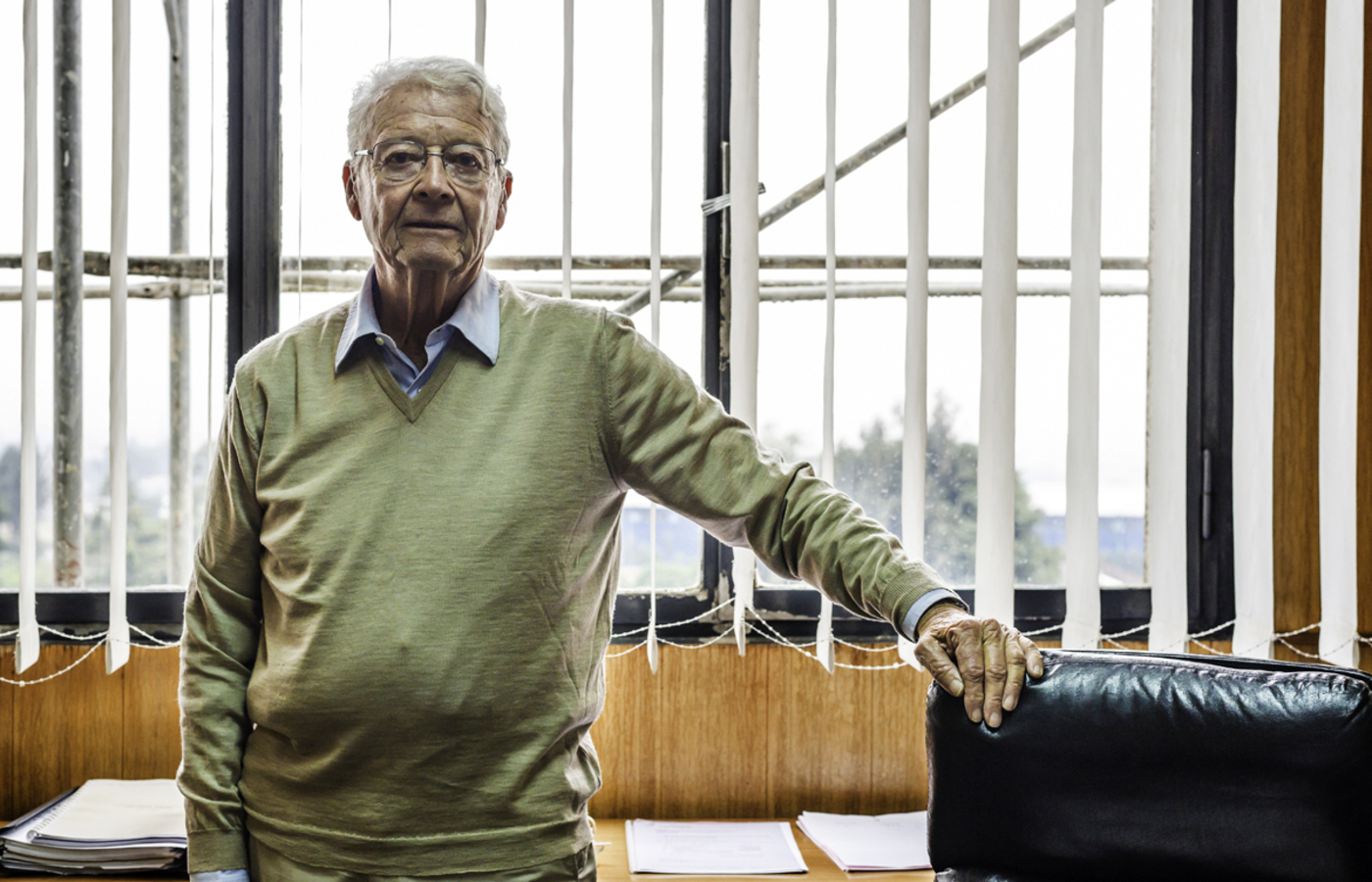
Alberto Varnero, an Italian-born construction specialist who helped shape the architectural and civic identity of post-imperial Ethiopia, has died.
His six-decade career in the country, beginning in the late 1950s, left an indelible mark on its urban landscape and institutional development.
A quiet but influential figure, Varnero was instrumental in delivering a series of high-profile infrastructure projects that mirrored Ethiopia’s shifting political and economic aspirations — from imperial grandeur to socialist-era statism, and more recently, to developmental nationalism.
Prime Minister Abiy Ahmed paid tribute to Varnero, calling him a “pioneering figure in Ethiopia’s construction sector” whose contributions “profoundly shaped the nation’s built environment and historical landmarks”.
Among the many projects attributed to Varnero’s leadership are Africa Hall, the seat of the UN Economic Commission for Africa and a monument to pan-African diplomacy; Addis Ababa City Hall, a symbol of municipal authority; the Hilton Hotel, once a flagship for Ethiopia’s global outreach; and the old Commercial Bank of Ethiopia Headquarters, reflecting the country’s financial ambitions.
In later years, Varnero contributed to the Millennium Hall, Jimma Aba Jifar Airport upgrade, and recently two high-profile national commissions: Abrehot Library and Unity Park, both aimed at rebranding Ethiopia’s civic identity under Prime Minister Abiy’s administration. He was also involved in the renovation of the National Palace.
Though he remained largely outside of public view, Varnero was considered a trusted executor of major state infrastructure projects across successive regimes. His long tenure offers a rare continuity in a country where political transitions have often disrupted institutional memory.




