

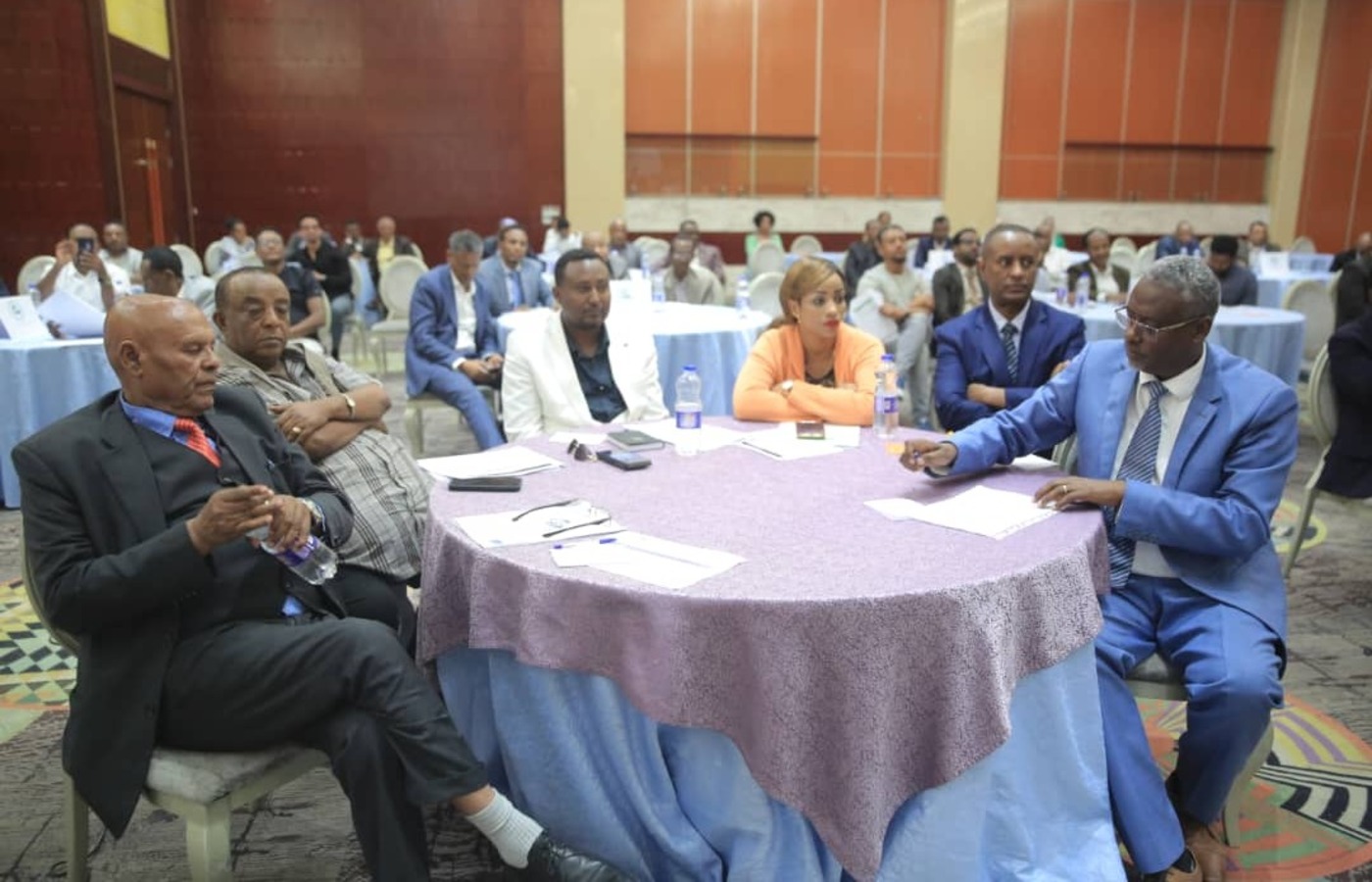
Thirteen of Ethiopia’s most prominent employer associations have launched a new national confederation, setting the stage for a more unified and assertive voice in labour policy — and raising questions about the relevance of existing employer bodies.
The newly formed confederation brings together industry and sector-based associations including the Ethiopia Micro, Small and Medium Enterprises Employers Federation, the Hotel and Tourism Employers Federation, and the Ethiopian Overseas Employment Agencies Federation. The largest bloc is the Association of Women Traders, which claims over two million members, making it the most influential group within the new structure.
“We represent more than 75 percent of employers in Ethiopia,” said Getachew Haile, head of the organising committee. “The so-called tripartite dialogue between government, employees and employers has long functioned as a two-way conversation. Employers simply weren’t at the table.”
The move signals growing frustration with legacy business associations — most notably the Confederation of Ethiopian Employers Federations and the Ethiopian Employers Federation — which critics say have failed to adequately represent the evolving needs of private sector actors in a rapidly changing economy.
While both of the older organisations are formally recognised in Ethiopia’s labour architecture and have historically engaged with government and unions, members of the new confederation say their voices were marginalised and coordination among employers remained fragmented.
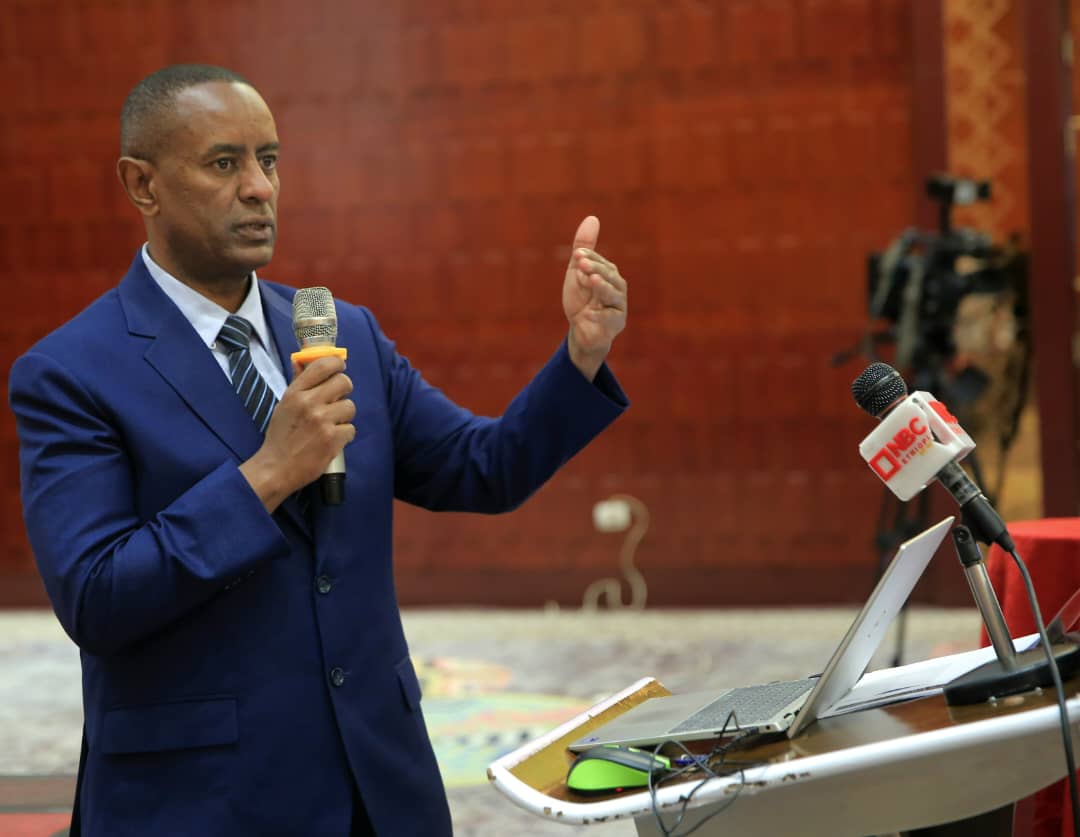
“There has been a leadership vacuum,” said a senior figure involved in the new confederation. “The older federations are either inactive or disconnected from the operational realities of modern enterprises.”
The 13 founding members span a wide range of sectors, including agriculture, construction, transport, ICT, manufacturing, mining and regional employer coalitions. Many had previously operated independently or under loosely coordinated umbrellas, often with little influence over national labour or economic policy.
Business leaders behind the new initiative argue that more coherent employer representation is critical as Ethiopia attempts to modernise its economy, expand industrial production, and attract greater private investment. The country’s labour market is under pressure from high youth unemployment, a growing informal sector, and rising demand for job creation following political and economic disruptions.
The confederation is expected to seek formal recognition and participation in national wage-setting platforms, employment policy consultations, and tripartite negotiations — long dominated by government and trade unions.
The emergence of a new, consolidated employer voice could mark a turning point in Ethiopia’s labour relations, but it also sets up potential friction with existing institutions.
“The key question now is whether the government will formally recognise this new confederation as a legitimate negotiating partner,” said an Addis Ababa-based policy consultant. “And whether the older bodies will adapt or become sidelined.”




