

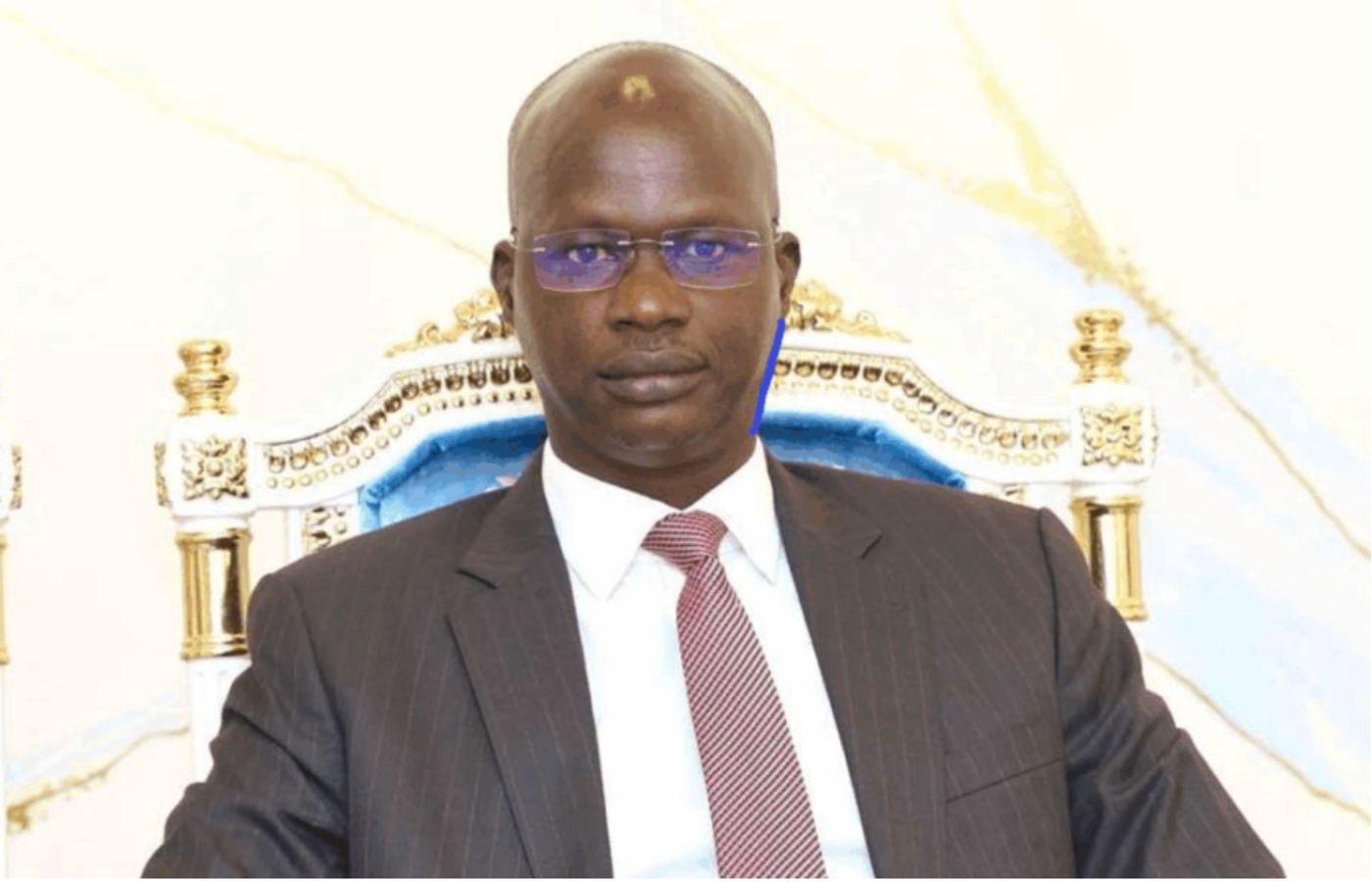
South Sudan’s President Salva Kiir has replaced the head of the country’s central bank, removing Governor Johnny Ohisa Damian less than two years after his appointment and elevating Dr Addis Ababa Othow, a former deputy, to the post.
The reshuffle, announced via a presidential decree read on state-run television on Monday evening, comes at a time of growing disquiet over the central bank’s handling of the economy. Commercial lenders have been rationing cash for months as foreign currency shortages persist, the South Sudanese pound continues its slide against the US dollar, and consumer prices edge upward in a country already facing overlapping fiscal and humanitarian crises.
Dr Othow’s appointment follows his own dismissal as First Deputy Governor earlier this week, only to be immediately promoted to the top job. Samuel Yanga Mikaya, a relatively unknown figure in monetary circles, has been named as his replacement in the deputy role.
While no official explanation was offered for the leadership change, the timing points to increasing frustration within government circles over the central bank’s inability to contain inflation, stabilise the exchange rate, or inject adequate liquidity into the banking system. Officials familiar with the matter say recent tensions had mounted between the bank’s senior leadership and the finance ministry over the management of foreign exchange auctions and ballooning public sector arrears.
South Sudan, which relies on oil for nearly all of its export earnings, has struggled to shield its economy from the volatility of global commodity markets and the political disruptions that routinely impair domestic revenue collection. Though the country formally adopted a managed float exchange regime in 2021, the Bank of South Sudan has been repeatedly accused of lacking transparency in its currency auctions, undermining investor and market confidence.
The outgoing governor, Damian, took office in August 2022 with a mandate to curb inflation and stabilise the exchange rate. In his early months, the bank stepped up efforts to intervene in currency markets, at times selling tens of millions of US dollars weekly to commercial banks. But those efforts have since waned, as foreign reserves dwindled and the government prioritised external debt repayments and security spending over broader economic management.
The result has been a cash squeeze that is now visible across the country. Bank queues have lengthened, informal market exchange rates have diverged from official rates, and inflation—though difficult to measure reliably due to limited data—has crept back into double digits, according to estimates by local research groups and international observers.
For Dr Othow, the new governor, the task ahead is daunting. Beyond restoring public confidence in the banking sector, he will need to navigate the treacherous politics of monetary policy in a country where fiscal discipline is often subordinated to political imperatives.
The Bank of South Sudan, established following the country’s independence in 2011, has long struggled to assert its institutional independence. Successive governors have faced political interference, limited technical capacity, and persistent credibility gaps in the eyes of both domestic and international stakeholders. Some reforms have been attempted—such as phasing out direct financing of government deficits and introducing electronic payment systems—but implementation has been patchy and constrained by weak oversight.
Dr Othow, a seasoned economist with prior roles at both the bank and the finance ministry, is widely seen as a technocrat with few political affiliations.




