

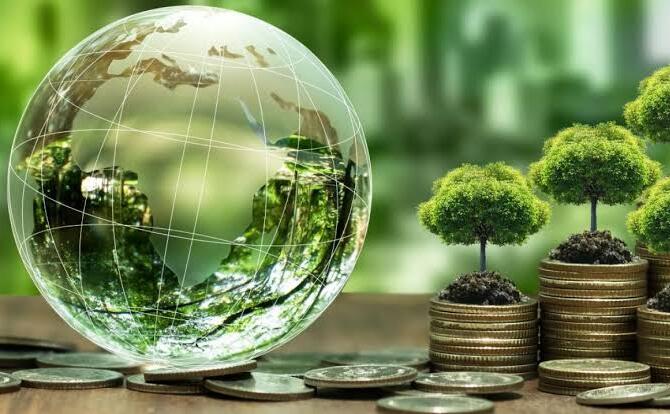
Ethiopia is facing a widening climate financing gap of four billion US dollars per year, jeopardising its ambitious emissions reduction targets and long-term resilience goals, just as global capital flows shift dramatically in response to Donald Trump’s return to the White House.
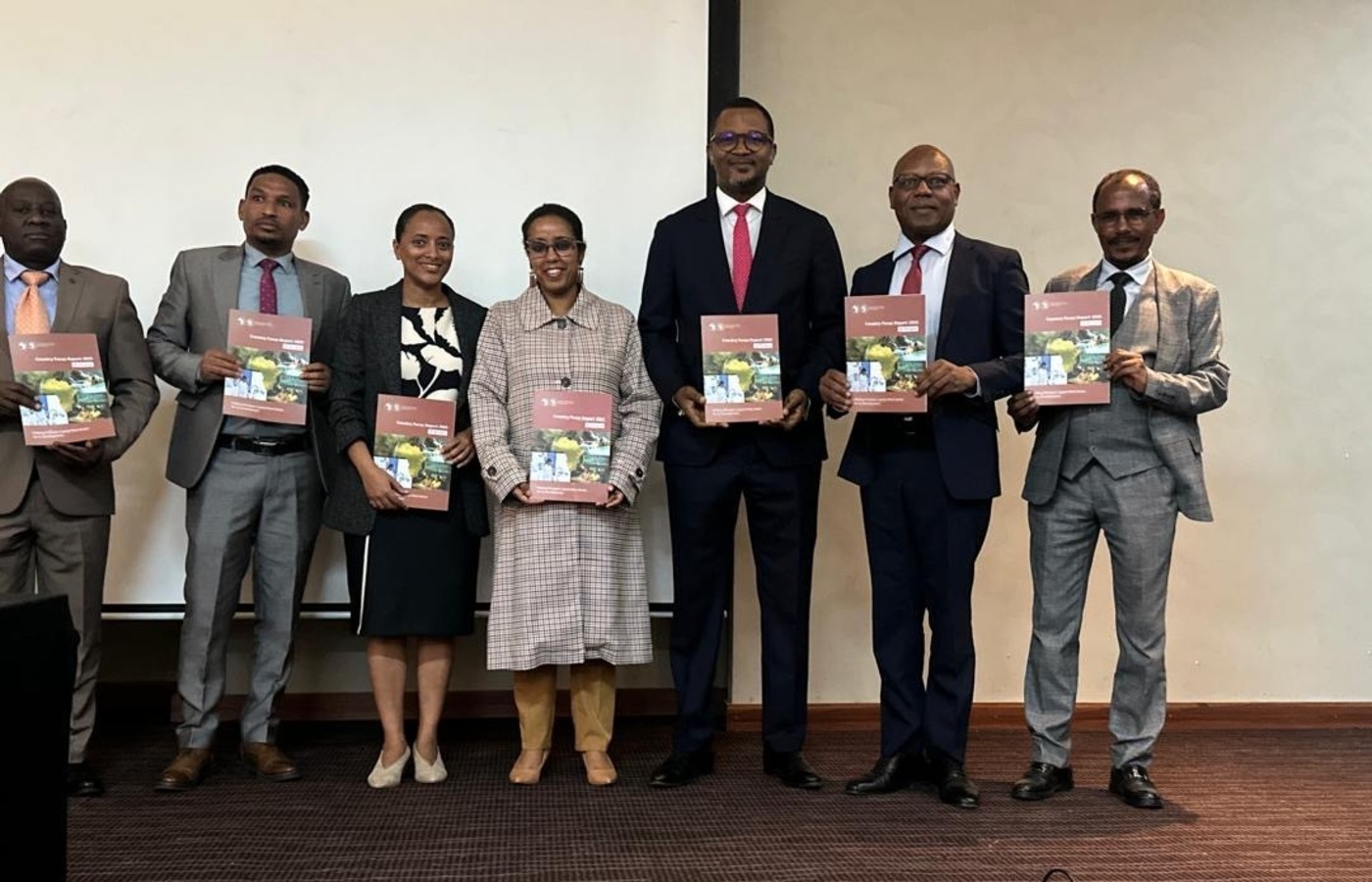
The African Development Bank’s 2024 Country Focus Report, released last week, warned that without substantial new external inflows, Ethiopia may be forced to deprioritise its green transition amid intensifying fiscal pressures. The report estimates that Ethiopia requires five billion US dollars annually until 2050 to implement its Long-Term Low Emission Development Strategy (LT-LEDS) and updated Nationally Determined Contributions (NDCs). In parallel, achieving the Sustainable Development Goals will demand an additional eight billion US dollars per year, more than four times the country’s current external financing levels.
Ethiopia’s climate blueprint, anchored in its Climate Resilient Green Economy (CRGE) strategy, aims to reduce emissions by 68 per cent from business-as-usual levels by 2030, capping emissions at 145MtCO₂e. But the strategy is underfunded: of the USD 316 billion projected need through 2030 for both mitigation and adaptation, only USD 63.2 billion is expected from domestic sources, leaving over 80 per cent to be financed externally.
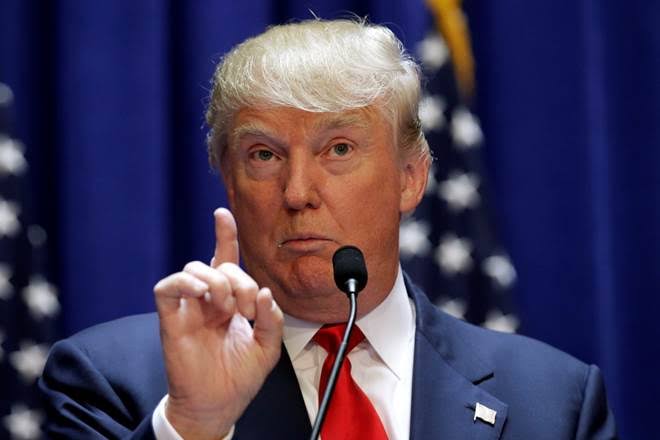
Such pressures are unfolding against the backdrop of a changing international financial architecture. Donald Trump’s return to the U.S. presidency in January 2025 has added a new layer of uncertainty to global capital flows. Since his inauguration, the dollar has weakened sharply, with the U.S. Dollar Index falling more than 10 per cent year-to-date, its worst first-half performance since 1991.
Trump’s second-term economic agenda—anchored in sweeping tariffs, aggressive tax cuts, and an expansionary federal budget—has prompted investors to reassess their exposure to U.S. assets. The administration’s proposed USD 3.3 trillion spending package, dubbed the “Big Beautiful Bill,” has accelerated capital outflows from U.S. Treasuries. April saw a net USD 14.2 billion in outflows from foreign holders of Treasuries, according to U.S. Treasury International Capital data.
This capital reallocation is producing ripple effects across emerging markets. Some investors are increasing allocations to higher-yielding developing-country assets. Local-currency debt in emerging markets has returned more than 11 per cent in dollar terms so far in 2025, as investors bet on looser U.S. monetary policy and a continued decline in the greenback.
Yet for countries like Ethiopia, the weaker dollar is a double-edged sword. While a softer greenback can reduce debt servicing costs for some borrowers and improve the competitiveness of non-dollar exports, it also coincides with tighter access to concessional finance. The Trump administration has taken a dim view of multilateralism, and is reportedly pushing for cuts to U.S. contributions to the Green Climate Fund and other global financing vehicles—a move that could deal a serious blow to countries most in need of adaptation finance.
“Under this new geopolitical reality, African countries can no longer count on the same scale of concessional flows,” said an expert. “The burden is shifting to domestic mobilisation and private capital attraction.”
In response, the African Development Bank, in its latest country focus report, is urging Ethiopia to diversify its financing sources. Recommendations include tapping into Article 6 of the Paris Agreement, which allows for carbon market transactions, and the Loss and Damage Fund, which was operationalised at COP28. The AfDB also advocates for greater alignment between national budgets and climate objectives, and more aggressive pursuit of adaptation-linked financial instruments such as sustainability bonds and blended finance vehicles.
Some progress is already visible. The CRGE Facility, a multi-sectoral climate financing platform established in 2011, has been restructured to accommodate private sector participation. And the government has launched feasibility studies for carbon credit schemes tied to forest conservation and renewable energy expansion, although these remain in early stages.
Experts warn that without broader global financial reforms—particularly around Special Drawing Rights (SDRs) reallocation and debt relief frameworks—the prospects for closing Ethiopia’s climate financing gap remain dim. Ethiopia’s public debt remains high, its credit rating precarious, and investor confidence fragile.




