

Ethiopia has signed a raft of public-private partnership agreements worth over 70 billion birr as it seeks to ease infrastructure bottlenecks and shift away from state-led development, in a move that signals growing reliance on private capital to meet rising demand for housing, healthcare and tourism infrastructure.
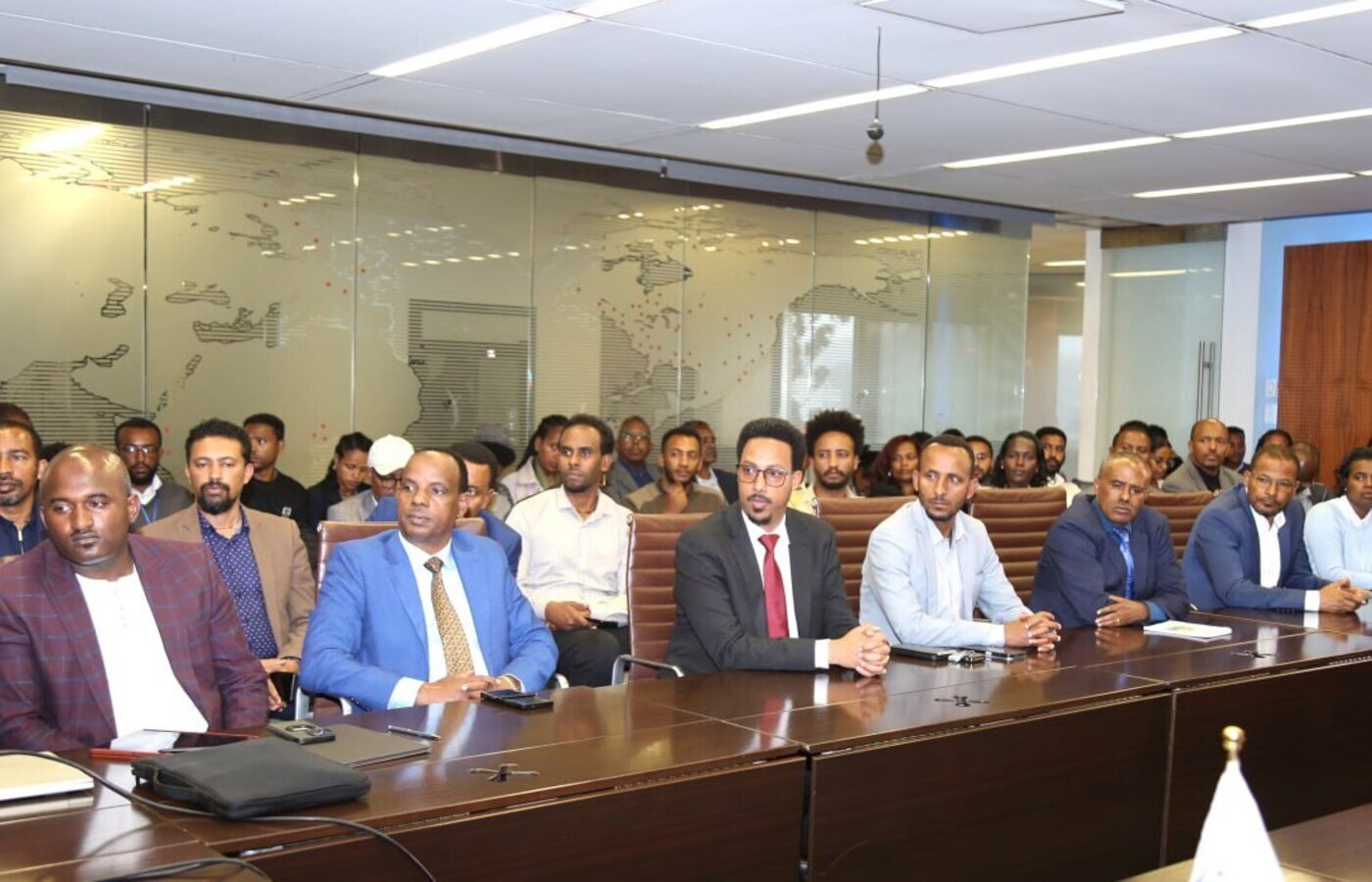
The Ministry of Finance concluded seven agreements on July 03, ranging from large-scale urban housing schemes in Addis Ababa to diagnostic health services and eco-tourism lodges. The signings mark the latest phase in a PPP strategy launched by the government to crowd in domestic and foreign investment into public service delivery.
Speaking at the ceremony, Finance Minister Ahmed Shide said the government had “established a legal and institutional framework to make public-private partnerships operational”. He described the agreements as part of a policy shift designed to “enhance economic and social development by leveraging the capacity of the private sector.”
A lion’s share of the new PPP deals are directed at housing developments in the capital, where rapid population growth has exacerbated a long-standing supply shortage.
ICE Home Development and Construction Plc will lead a 32.37 billion birr mixed-use housing project in Lemi Kura sub-city, building 1,200 residential units alongside a six-storey shopping complex on 5.7 hectares.
Nearby, OVID Chaka Housing Development PLC will develop 1,852 housing units and two shopping malls over 9.45 hectares at an estimated cost of 23 billion birr.
A third project in Lemi Kura Sub-city, spearheaded by the state-owned Ethiopian Construction Works Corporation in partnership with private investors, will construct 1,123 homes and 48 shops over another 9.45 hectares, costing 11.7 billion birr.
In Arada sub-city, OVID Kings Tower PLC will deliver 1,823 residential units and a retail centre on 4.5 hectares for 4.31 billion birr, adding to the city’s increasingly vertical housing landscape.
While Addis Ababa has seen a proliferation of high-rise apartment blocks and condominium projects over the past decade, access to affordable housing remains out of reach for many. Government officials hope that public-private partnerships will speed up construction timelines and improve cost-efficiency compared with purely state-driven models.
Beyond the capital, two eco-tourism developments were signed as part of the new PPP wave. Boston Partners Plc will build a luxury resort at Awash Waterfall National Park, featuring 50 villas and supporting infrastructure over 11.6 hectares, with an outlay of 813.51 million birr.
Separately, MIDROC Investment Group — owned by Ethiopian-Saudi billionaire Mohammed Al Amoudi — is investing 125.89 million birr to develop a lodge at Denbi Lake, comprising 15 bungalows and a restaurant on 36.67 hectares.
The tourism sector, long seen as underutilised despite Ethiopia’s natural and historical assets, has gained renewed attention as the government looks to diversify sources of foreign exchange and employment.
In the healthcare sector, the Ministry signed an agreement with a consortium comprising Ceraba Lancet Africa, International Clinical Laboratories and Pioneer Diagnostic Center to establish an integrated diagnostic services centre at St Peter’s Comprehensive Specialized Hospital in Addis Ababa. The 5.2 million dollars project will provide laboratory, imaging and pathology services across six public hospitals and is expected to improve diagnostic capacity within the country’s overburdened health system.
The agreements are part of a growing portfolio of PPP projects under development in Ethiopia. The Ministry of Finance says it has identified 34 projects across sectors including energy, transport, housing, health and logistics. Most are still in early stages but form the backbone of an evolving effort to shift capital formation from the state to the private sector.
Under the country’s PPP framework, projects undergo a competitive procurement process. Once a developer is selected, they enter a Master Government Agreement (MGA), allowing them to mobilise finance through equity and debt while working closely with the government on implementation.
One of the most high-profile projects under the framework is the 620 million US dollars Aysha-1 wind power plant, a 300MW project in the Somali region being developed by AMEA Power, a UAE-based company. The power purchase and operation agreement was signed in August 2024, marking a milestone for private sector participation in Ethiopia’s energy sector.




