

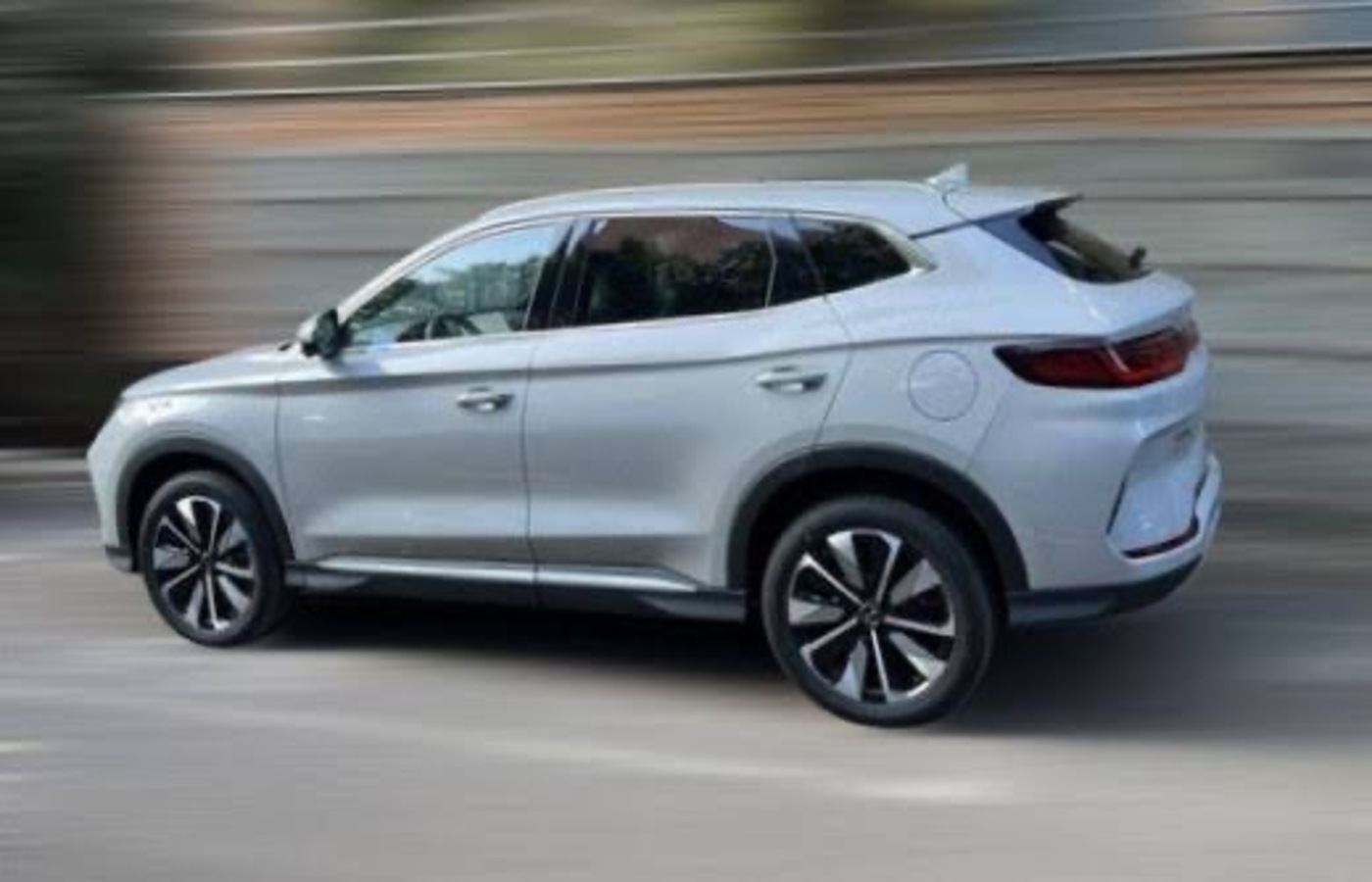
Ethiopia’s electric vehicle (EV) market is showing early signs of saturation, as prices for popular models tumble amid a sharp rise in supply and growing concerns about resale values and infrastructure constraints.
Retail prices for electric cars in Ethiopia have fallen by as much as 1 million birr in recent weeks. The BYD Seagull, a compact Chinese-made hatchback, now sells for 2.7 million birr—down from 3.2 million birr just a month ago—with lightly used models fetching as little as 2.2 million birr. Other models, including the Toyota bZ4X and the BYD Song Plus, have recorded similar declines of 500,000 to 1 million birr.
The price drops show the intensity of competition in an EV market that has grown exponentially since the federal government implemented a ban on internal combustion engine (ICE) vehicle imports in January 2024—a world first. EVs accounted for more than 60 percent of new vehicle sales in Ethiopia last year, reflecting both the effect of sweeping policy changes and the dominance of Chinese automakers in supplying the market.
The import ban, part of a broader strategy to cut fuel import bill, has been accompanied by generous fiscal incentives: electric vehicles are exempt from VAT, excise, and surtax, while customs duties range from just five percent for semi-knocked-down kits to 15 percent for fully assembled units.
The national EV fleet has tripled in under two years—from 4,600 in early 2023 to around 14,000 by January 2025. The government says over 100,000 electric vehicles have been imported since 2023, surpassing its previous 2030 target and prompting a revision to 439,000 EVs by the end of the decade.
However, the pace of adoption has exposed growing pains in Ethiopia’s nascent electric mobility ecosystem. Dealers and brokers report waning consumer confidence, driven in part by social media rumours around unreliable charging infrastructure and declining battery life. “There’s a flood of new models—five BYDs alone last month—but customers are asking harder questions about value and support,” said an owner of EV dealership in Addis Ababa.
Public infrastructure is struggling to keep up. Fewer than 60 charging stations are operational nationwide, most clustered in the capital. Frequent blackouts and limited electricity access—over 60 percent of the population remains off-grid—further complicate long-distance EV use. “The fundamentals are strong,” said one industry analyst, “but the infrastructure deficit risks choking momentum.”
There are also concerns about the cost of ownership. While operational costs are low—less than 10 birr to drive 200 kilometres, thanks to hydropower tariffs below 1 US cent per kWh—upfront prices remain high. A new EV can cost anywhere from 18,000 US dollars to 100,000 US dollars beyond the reach of most consumers outside major cities. Addis Ababa alone accounts for roughly 70 percent of private vehicle ownership.
Resale value has emerged as a critical sticking point. “When Ethiopians buy cars, they’re thinking about resale,” said an economist. “EVs depreciate more quickly because there are so few repair centres, and parts are expensive and slow to import.”
Ethiopia currently has few EV-specialised garages, almost all located in Addis Ababa. Spare parts—almost exclusively from China—are subject to long lead times and volatile forex conditions despite improving forex availability, often leaving owners with costly maintenance gaps.
Even so, the government remains bullish. Plans are underway to install more than 2,200 charging stations by 2030, over half of them in the capital. Domestic assembly is also being encouraged, with local entrepreneur Belayneh Kinde operating a facility in Debre Berhan that produces up to 1,000 EVs annually.




