

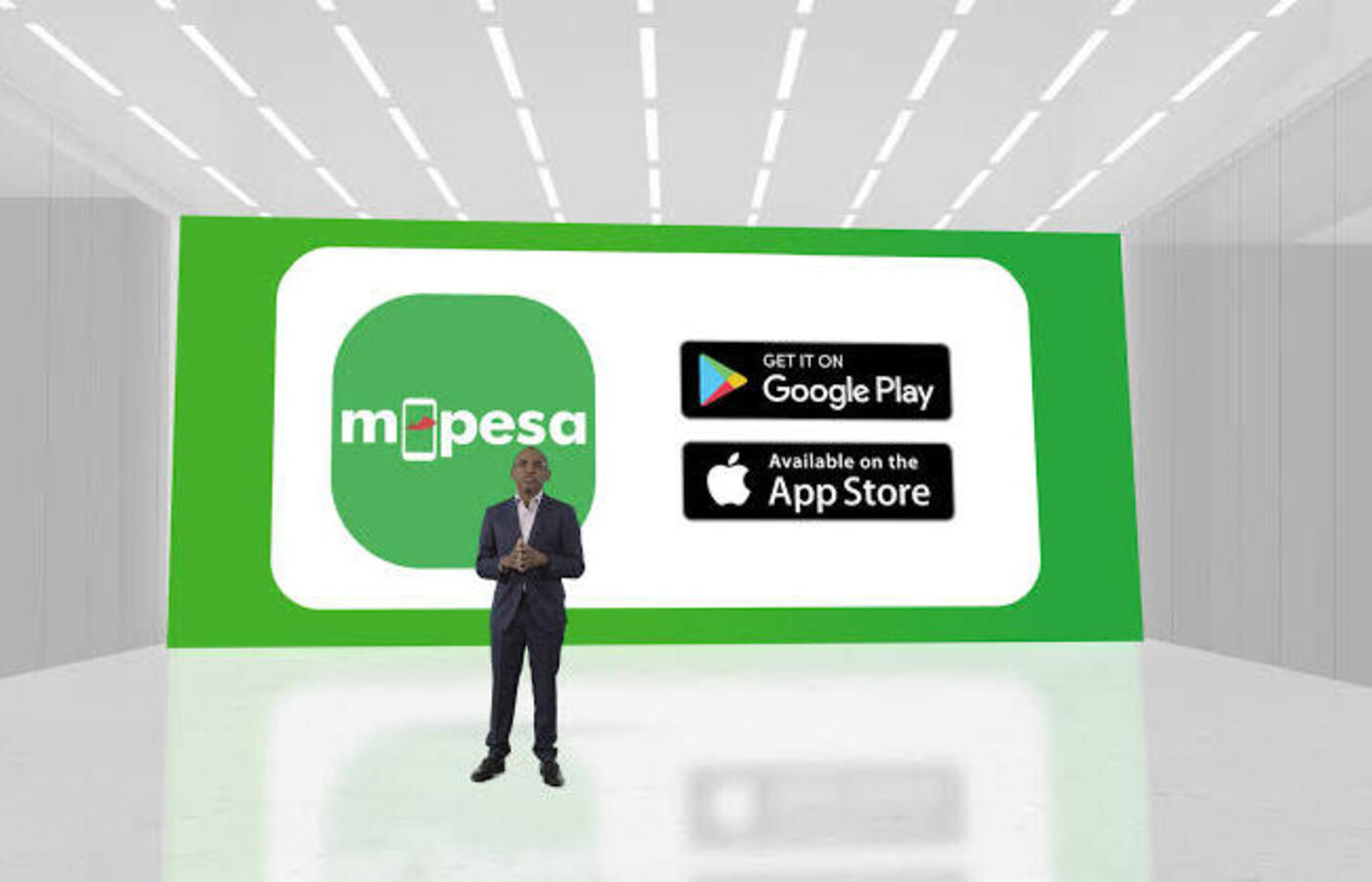
Safaricom has introduced a PayPal withdrawal feature on its M-PESA mobile application in Kenya, marking another step in the company’s ongoing integration of global financial services with local mobile money ecosystems.
The new function, embedded as a mini app, allows Kenyan users to move funds directly from their PayPal accounts into M-PESA wallets, bypassing web-based logins and third-party intermediaries that have long been a friction point for users.
The move is aimed at Kenya’s rapidly expanding cohort of cross-border freelancers, digital entrepreneurs and remote workers—demographics increasingly reliant on real-time, cost-efficient international transfers.
With over 35 million monthly active M-PESA users, Safaricom’s home market is uniquely placed to absorb such upgrades. In 2024 alone, the company processed 2.3 trillion Kenyan shillings (17.83 billion US dollars) through the M-PESA app.
In Ethiopia, however, where M-PESA has been live for less than two years, the development remains aspirational.
Safaricom launched M-PESA operations in Ethiopia in August 2023 through its subsidiary, Safaricom M-PESA Mobile Financial Services PLC. By December 2024, it had acquired 10.8 million registered users, of whom 7.1 million were active in the prior 90 days—a noteworthy achievement in a market where just 46 percent of adults have access to formal financial services and cash remains dominant in 99 percent of transactions.
Transaction volumes grew 1,023 percent year-on-year to 124.8 million in the nine months to December 2024. But total value fell 30 percent to 113.95 million US dollars, reflecting the platform’s reliance on low-ticket items such as airtime top-ups, which now account for 20 percent of all Safaricom airtime purchases in Ethiopia.
Revenues declined steeply to 75,969 US dollars—down 74 percent from the previous year—under pressure from currency depreciation and a customer base still in the early stages of monetisation. In contrast, Kenya’s M-PESA generated 1.25 billion US dollars in revenue in the year to March 2025. Average revenue per user there rose 9.4 percent to 3.06 US dollars.
Yet Safaricom Ethiopia continues to invest heavily in infrastructure and ecosystem development. The agent network grew to 29,200 and the merchant base to 119,500. M-PESA is now integrated with 12 domestic banks and three money transfer services. The July 2025 launch of Errif be M-PESA, a digital overdraft facility in partnership with Awash Bank, represents a cautious pivot toward more complex, revenue-generating financial products.
Cross-border transfers are already possible through M-PESA Global, enabling real-time transactions between Ethiopia and Kenya. However, integration with platforms like PayPal remains a more distant prospect, constrained by regulatory, forex, and technical limitations.
The competitive landscape is also evolving. Ethio Telecom’s Telebirr platform, launched two years prior to M-PESA, had amassed over 51.5 million users as of early 2025. Backed by the state and with strong links to public utility payments, social transfers and microloan products, Telebirr holds a commanding lead in both scale and functional integration. Ethio Telecom, in partnership with Visa, previously also launched wallet-based Virtual Visa Card via the Telebirr SuperApp, enabling users to receive cross-border remittances from over 190 countries.
Unlike in Kenya, where M-PESA’s early dominance enabled it to shape regulatory frameworks and consumer expectations, Safaricom is operating in Ethiopia under more complex conditions: a relatively fragmented financial ecosystem, tight capital controls, and a challenging macroeconomic environment. The 150 million US dollar licence fee for M-PESA adds further pressure to achieve profitability, which the company does not expect before 2027.
Nonetheless, the long-term case for Ethiopia remains intact. With 126 million people, a youthful population and relatively low financial penetration, the country offers one of the few remaining large-scale growth opportunities for mobile money in Africa. Safaricom Ethiopia already contributes close to 10 percent of group revenue and employs 900 staff—97 percent of whom are Ethiopian. Its mobile network now covers 48.5 percent of the population, with a target of 55 percent by mid-2025.




