

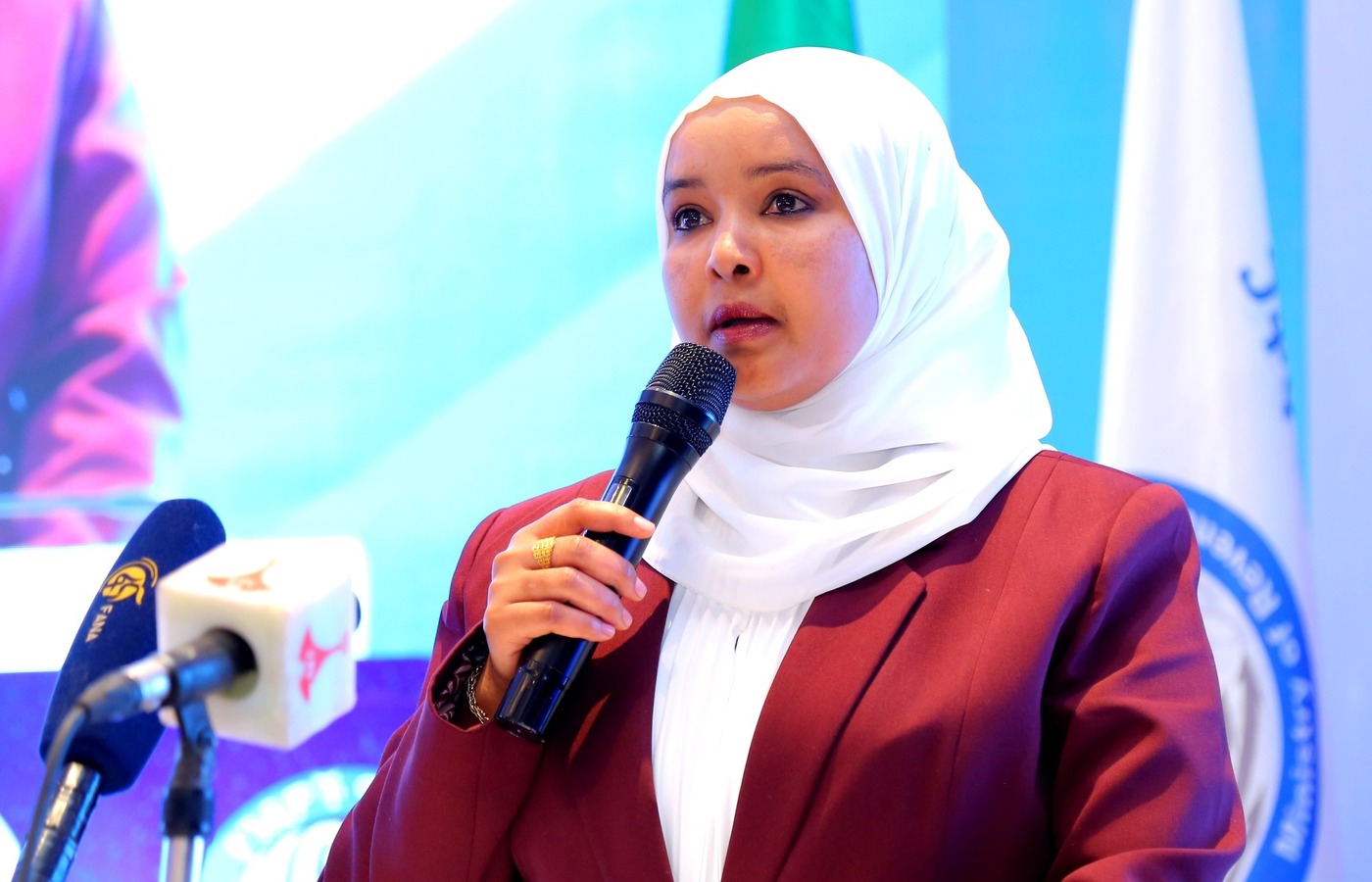
Ministry of Revenues announced that it collected 900.22 billion birr in domestic revenue during the 2024/25 fiscal year, a significant increase driven by administrative tightening and policy reforms under its ongoing macroeconomic restructuring programme.
The figures, disclosed by Revenue Minister Aynalem Nigussie at a fiscal planning session, represent a fourfold rise compared to previous years. The minister attributed the growth to stronger compliance enforcement, better coordination between institutions, and the implementation of fiscal and foreign exchange reforms.
Despite the increase, Ethiopia’s tax-to-GDP ratio remains among the lowest globally at 6.9 percent, compared with a 15–16 percent average for middle-income countries and 27–34 percent in emerging markets, based on benchmarks from the World Bank and IMF.
The government plans to further boost revenue by deploying a digital, integrated tax system aligned with international standards. Authorities say the platform is intended to enhance transparency, reduce administrative inefficiencies and support a more robust tax regime.
“The gains we’re seeing reflect both structural and operational adjustments,” said Aynalem, noting that policy reform contributed three percentage points to the overall increase, administrative improvements added 2.9 points, and foreign exchange adjustments contributed another one point.
However, institutional capacity remains a concern. Debele Kabeta, Commissioner of the Ethiopian Customs Commission, noted that both the Ministry of Revenues and the Customs Commission are operating with senior management vacancies, which could pose operational and strategic risks to ongoing reform implementation.
Ethiopia has outlined several fiscal priorities for the period covering the 2024/25 to 2027/28 budget years. These include consolidating public finances to reduce the fiscal deficit, expanding the tax base, improving compliance, and enhancing service delivery.
The Ethiopian government has increasingly turned its attention to structural fiscal reforms as part of its Homegrown Economic Reform Agenda, launched in 2019 to stabilise the macroeconomic environment and transition the economy towards more sustainable growth.




