

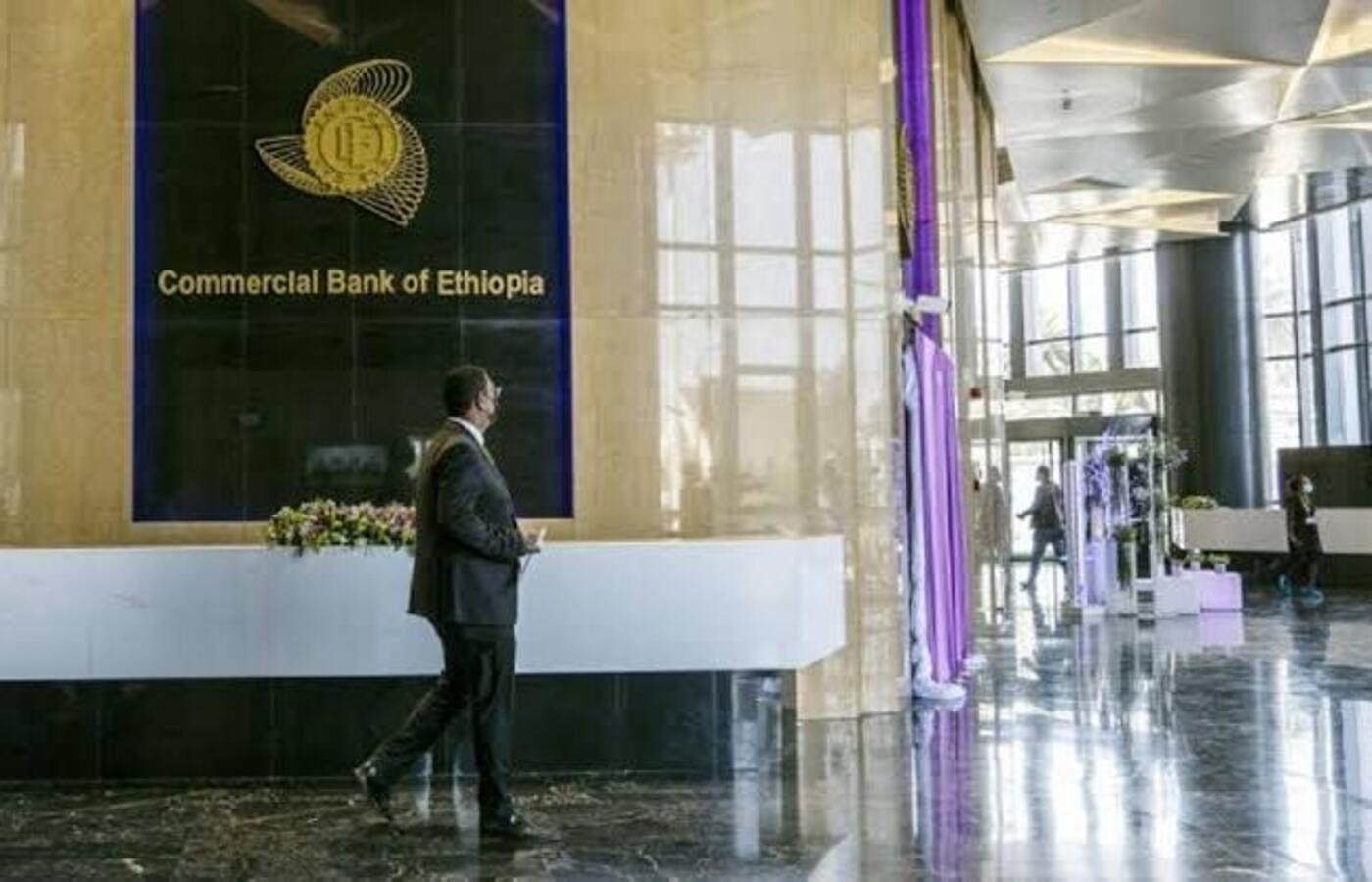
The Commercial Bank of Ethiopia (CBE) approved 81 percent of private sector foreign currency requests during the current Ethiopian fiscal year, disbursing 121 million US dollars to meet critical business needs ranging from imports to service payments, the bank disclosed.
CBE said it processed 505 applications from private clients seeking foreign currency, emphasizing that the approved allocations complemented daily FX distribution and supported sectors such as fuel, logistics, and cross-border services. The bank added that its FX licensing decisions are aligned with national priorities and customer demands.
The announcement comes as Ethiopia marks one year since the launch of its sweeping macroeconomic reforms. Just hours before CBE’s announcement, the National Bank of Ethiopia (NBE) reported that monthly foreign exchange sales by commercial banks to businesses nearly doubled to 500 million US dollars in June 2025, compared to 258 million US dollars a year earlier. These figures highlight growing FX availability following the sweeping reform package launched in July 2024.
As part of these reforms, the NBE now requires banks to allocate at least 50 percent of their foreign currency inflows to businesses in priority sectors such as agriculture, manufacturing, and pharmaceuticals.
The NBE has also introduced regulatory measures to enhance market transparency and protect businesses from excessive costs. Since October 2024, the central bank has capped the allowable spread between buying and selling exchange rates at 2 percent, mandating that fees and commissions be separately disclosed and clearly itemized. More recently, in May 2025, the NBE imposed a 4 percent ceiling on all foreign exchange transaction fees, including import payments and service remittances.
These interventions aim to reduce hidden costs and discourage parallel market activity, where premiums had previously surged due to elevated fees. Nonetheless, the International Monetary Fund (IMF) recently cautioned that the current commission on FX sales and other transaction costs remains a hurdle to fully integrating the formal and parallel markets. The IMF stressed the importance of further fee reductions and improved market liquidity to sustain reform momentum.




