


Ethiopia’s export earnings hit an all-time high in the just-ended fiscal year, but the surge has done little to disguise the country’s persistent industrial shortcomings. Despite the favourable effects of a more flexible exchange rate, manufacturing exports remain marginal—raising questions about the depth and direction of the country’s economic progress.
According to the Ministry of Trade and Regional Integration, Ethiopia earned 8.3 billion US dollars from merchandise exports in the fiscal year that ended in July. While the headline figure marks a sharp increase from the previous year, the composition of exports remains unchanged: low-value, raw commodities dominate, while manufactured goods continue to trail far behind.
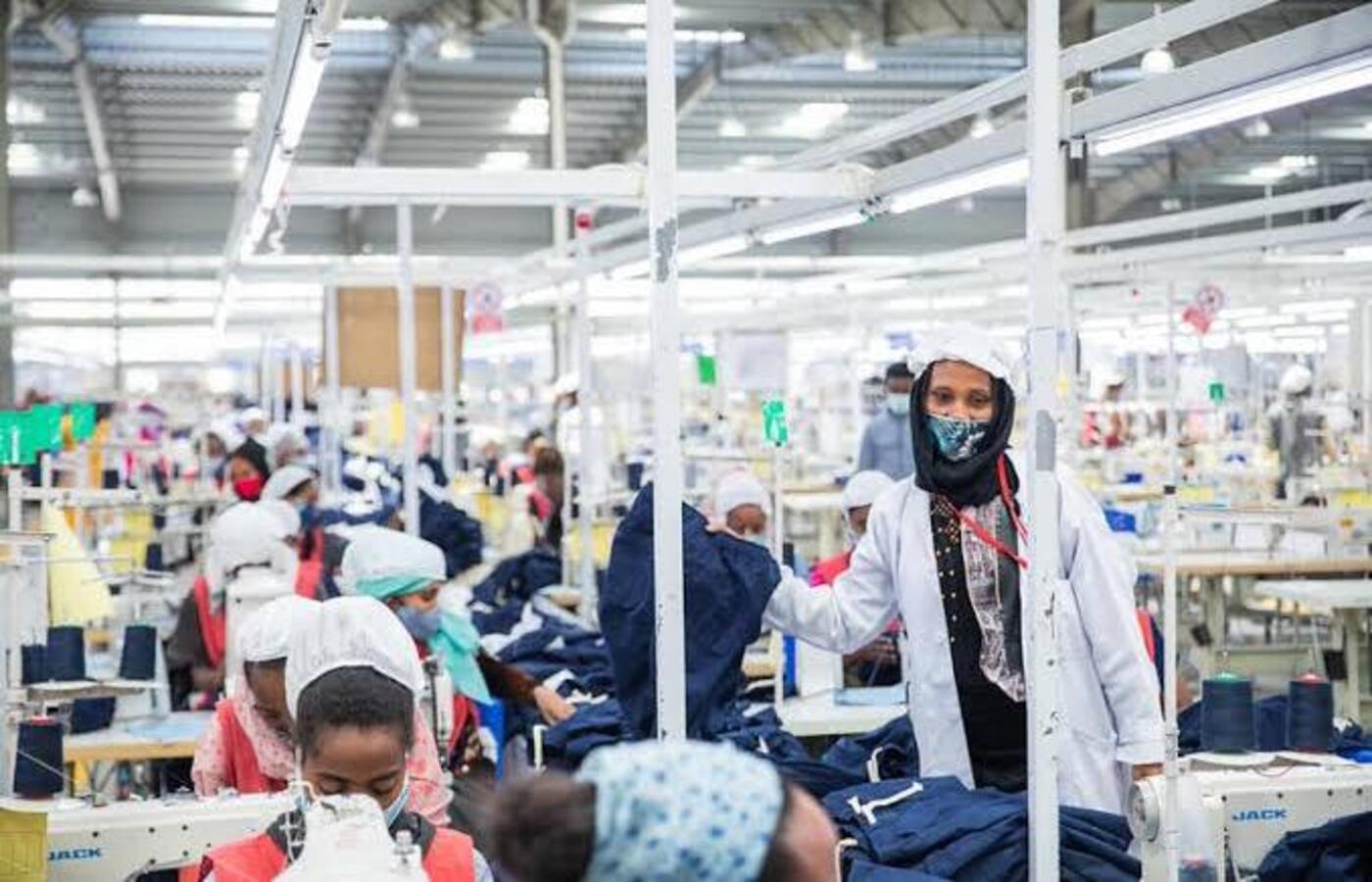
The manufacturing sector brought in just 318 million US dollars in 2024/25—up from 213 million US dollars the previous year, but still accounting for less than four percent of total export proceeds. The government has set a target of 450 million US dollars for the upcoming 2025/26 fiscal year, though it remains unclear what will drive the required growth.
Sub-sector data from the Ministry of Industry shows that food and beverage products contributed 52 percent of total manufacturing exports. Construction inputs accounted for just under 5 percent, while light manufacturing representing 14 percent of the total. The remaining 29 percent came from smaller categories such as chemicals, plastics, and other processed goods.
Officials have credited the modest increase in industrial exports to the introduction of new products and incremental access to international markets. But the structural weaknesses remain: limited linkages between industrial parks and local supply chains, inconsistent electricity, foreign currency shortages, and ongoing security concerns continue to stifle competitiveness.
Meanwhile, the recent shift toward a more flexible exchange rate has helped boost the dollar value of exports across the board. Yet rather than catalyse an industrial breakthrough, the floating regime appears to have reinforced Ethiopia’s dependence on traditional export commodities. The resulting windfall—while welcome from a foreign currency perspective—has done little to shift the country’s longstanding dependence on primary commodities.
Economists warn that without a more coherent industrial strategy and stronger support for manufacturing ecosystems, Ethiopia risks repeating the cycle of commodity-driven growth followed by policy disappointment. “Export numbers can look impressive in aggregate, but what matters is the structure,” said an expert. “You don’t transform an economy by shipping out what you dig up and grow. You transform it by what you make.”
Despite years of industrial policy reforms, public-private initiatives, and state-backed investments in industrial parks, Ethiopia’s ambitions for an export-led manufacturing base remain largely unfulfilled. With another year of strong commodity performance and weak industrial gains, the gap between aspiration and achievement is once again on display.




