


Ethiopia’s ratification of tariff concessions under the African Continental Free Trade Area (AfCFTA) is not a bureaucratic detail but a deliberate wager on regional integration. By liberalizing 90 percent of tariff lines and shielding the remaining 10 percent for “sensitive” products, the country is entering a market of 1.3 billion people with a combined output of more than three trillion US dollars.
Official estimates suggest this could yield as much as 1.2 billion US dollars in additional export revenues each year by 2030. But such projections gloss over a more difficult reality. Ethiopia’s logistics remain fragmented, industrial capacity is underdeveloped, product quality is uneven, and political unrest is recurrent. Unless these obstacles are addressed, tariff concessions will remain more symbolic than transformative.
The shifting strategies of global powers underline this risk. In June 2025, China extended zero-tariff treatment to 53 African countries, with Eswatini the lone exception. For Ethiopia, one of Beijing’s closest partners on the continent, this creates an opening to expand exports of coffee, leather, and oilseeds.
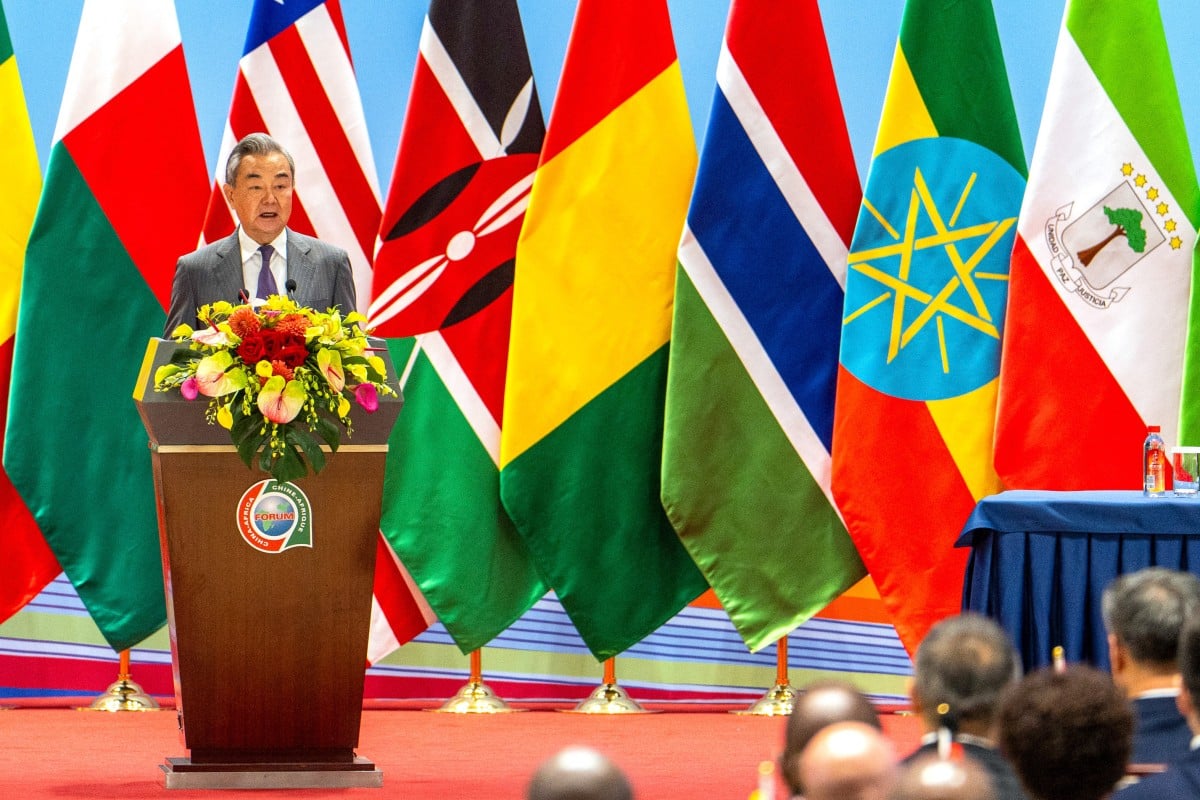
Coffee shipments alone generated more than two billion US dollars between July 2024 and April 2025, a sign that the sector has begun to overcome long-standing supply chain inefficiencies. If quality and logistics can keep pace, Chinese market access could raise export earnings by an additional 400 to 500 million US dollars annually. Yet the dependence that comes with this opportunity is perilous. Overreliance on China exposes Ethiopia to sudden policy shifts in Beijing, fluctuations in demand, and rising quality thresholds that could overwhelm smallholder producers.
The United States offers a sharp contrast. By letting the African Growth and Opportunity Act (AGOA) lapse and introducing new tariffs, Washington has effectively reduced Ethiopia’s preferential access to its market. For exporters who once relied on AGOA, this retreat shows the danger of concentration in Western markets. The divergence between China’s tariff generosity and America’s protectionist turn is instructive: external trade preferences, however generous, are no substitute for domestic competitiveness.
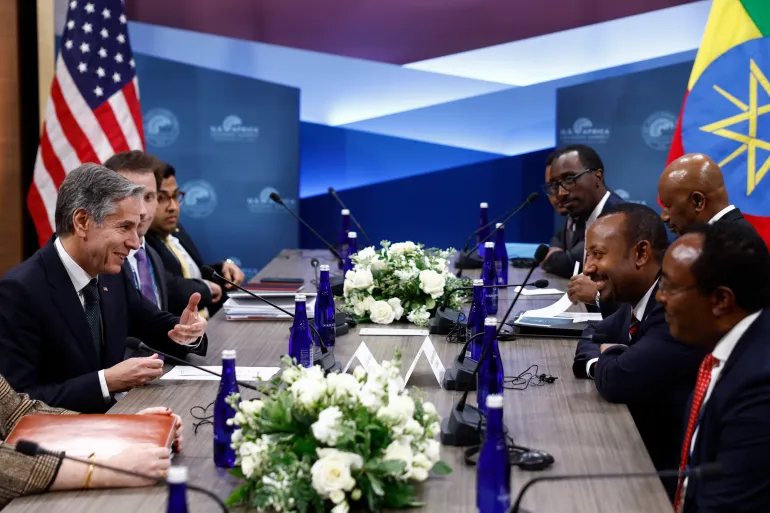
AfCFTA itself will not solve Ethiopia’s structural weaknesses. Power shortages, bureaucratic inefficiencies, poor infrastructure, and periodic conflict limit the ability of Ethiopian firms to convert tariff reductions into market share. Key export sectors face additional headwinds: Europe’s new deforestation rules threaten coffee shipments, while quality inconsistencies continue to undermine leather and oilseed competitiveness. Intermittent political violence compounds these challenges, disrupting production and deterring investors.
Ethiopia thus stands at an inflection point. To turn trade agreements into durable economic gains, the government must pursue an industrial strategy anchored in infrastructure investment, export certification, and political stabilization.
Without such reforms, the country risks mistaking international goodwill for sustainable advantage. The real test of AfCFTA and China’s zero-tariff corridor will not be measured in projected revenue figures but in Ethiopia’s capacity to translate policy opportunities into resilient, diversified growth.




