

Kenya is negotiating with Beijing to convert part of its dollar-denominated loans into yuan and extend repayment terms, as the East African nation struggles to contain mounting debt obligations, according to Bloomberg.
Treasury Secretary John Mbadi said the government is seeking to restructure loans taken from China to finance the 5 billion US dollars standard gauge railway, Kenya’s largest infrastructure project since independence. Shifting the debt from dollars to renminbi would cut interest costs by nearly half, he said, while lengthening maturities would provide additional fiscal space.
Kenya’s debt challenges have deepened since 2024, when anti-tax protests forced President William Ruto’s administration to abandon revenue-raising plans, undermining efforts to narrow the deficit. Weak tax collection, growing arrears to suppliers and rising loan repayments continue to weigh on the budget.
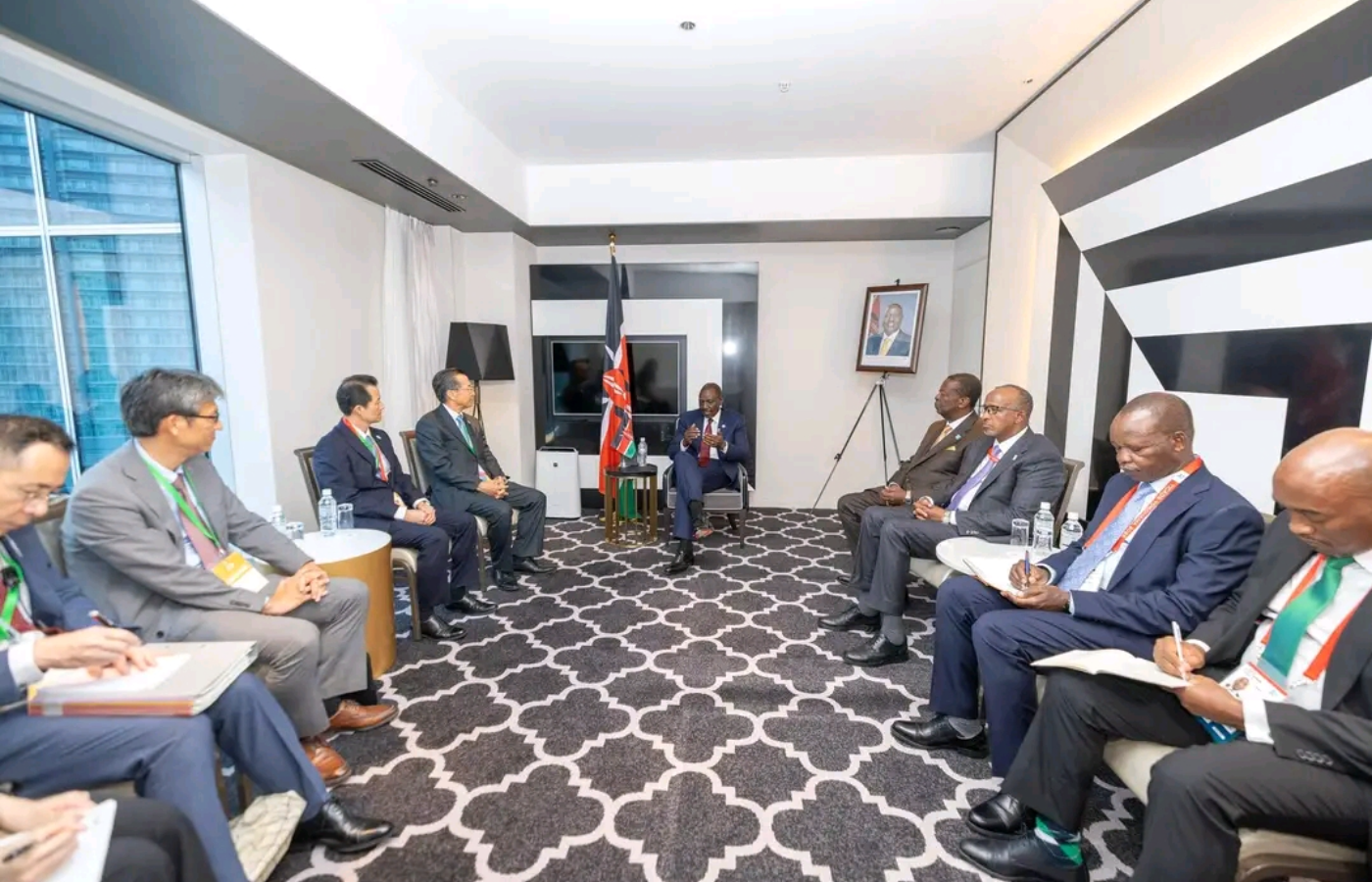
In a parallel development, Kenya and Japan have signed a term sheet for a yen-denominated loan, pivoting from earlier plans for a 500 million US Samurai bond, Japan’s foreign ministry said, per Bloomberg. The agreement was finalized during a bilateral meeting between President Ruto and Japanese Prime Minister Shigeru Ishiba on the sidelines of the Tokyo International Conference on African Development in Yokohama, which hosted some 50 African leaders.
The loan, backed by Nippon Export and Investment Insurance, signals a strategic shift in Kenya’s search for affordable financing amid global economic headwinds. Details of the terms remain undisclosed, with the ministry declining to explain why the Samurai bond plan was abandoned. Ishiba described the agreement as a milestone in deepening economic ties, citing progress in Kenya’s manufacturing sector, particularly in human resource development for industries such as automotive.
In a social media post, President Ruto emphasized the need to address the trade imbalance between the two countries, noting that Japan exports 1 billion US in goods to Kenya while Kenyan exports to Japan total only 70 million US, constrained by tariffs and non-tariff barriers. He highlighted efforts to expand market access for agricultural products, including avocados, flowers, and tea, and called for ongoing talks to unlock further trade potential.
Mbadi said the proposed shift to yuan would mark a significant saving for the government, which remains under pressure to stabilise public finances after years of heavy borrowing for infrastructure.
Kenya spends more than 1 billion US annually servicing its Chinese loans. Payments to the Export-Import Bank of China alone are projected to account for about a quarter of external debt service in the fiscal year through June 2025, a parliamentary report showed.
China is Kenya’s largest bilateral lender, with outstanding claims of 5.04 billion US as of March. The World Bank is the country’s biggest creditor overall, holding 14.4 billion US of Kenya’s 40.5 billion US external debt stock, followed by eurobond investors at 7.52 billion US.




