


On a recent evening, the streets of Addis Ababa glittered with a new kind of light. Aluminium-fronted shops shimmered under freshly installed spotlights, while tree-lined pavements gave the appearance of a city finally ready to embrace its role as Africa’s diplomatic hub. Prime Minister Abiy Ahmed (PhD) much-trumpeted urban projects appear to be working: a capital long derided for its jumble of kiosks and crumbling blocks now looks fit for glossy brochures.
But beauty comes at a price. For shopkeepers in the Addisu Gebeya neighbourhood, the glow of new lamps conceals a darker reality. Authorities ordered traders to renovate their facades with aluminium panelling at 500 birr per square metre, leaving some with bills of 80,000 birr. “It is too much and out of my plan, but a necessary price to pay,” sighed one merchant. “Though it would have been great if we were told earlier.” Taxes, too, have risen—tightening the squeeze on businesses already battered by inflation.
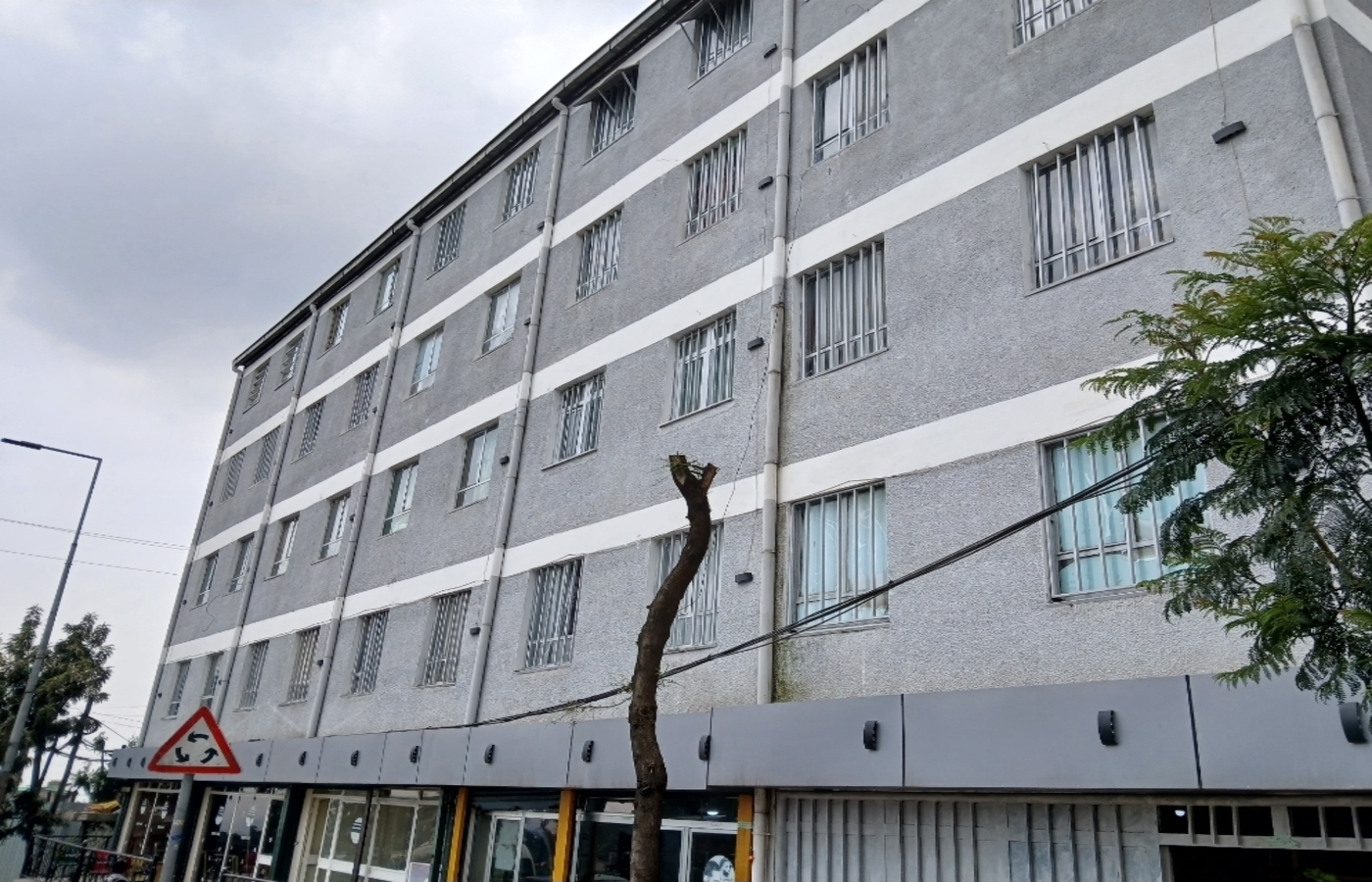
Others echo the frustration. Hilina Ayenew, who works along a freshly upgraded corridor, says she was required to install a 7.5-metre frontage with official signage, at a cost of nearly 95,000 birr, plus a spotlight and painting works. “It has completely changed the look of the city,” she admitted. “Everyone is putting spotlights and everything.” Admiration is mixed with exasperation.
The contradictions are striking. Ethiopia remains one of the world’s poorest countries. Most households fail to meet the World Bank’s new poverty threshold of three US dollars a day. Yet the government is pouring resources into corridor projects first funded by foreign donors and now increasingly borne by municipal budgets and small traders. Abiy hails them as proof of modernity. Critics see expensive facades masking deepening inequality.
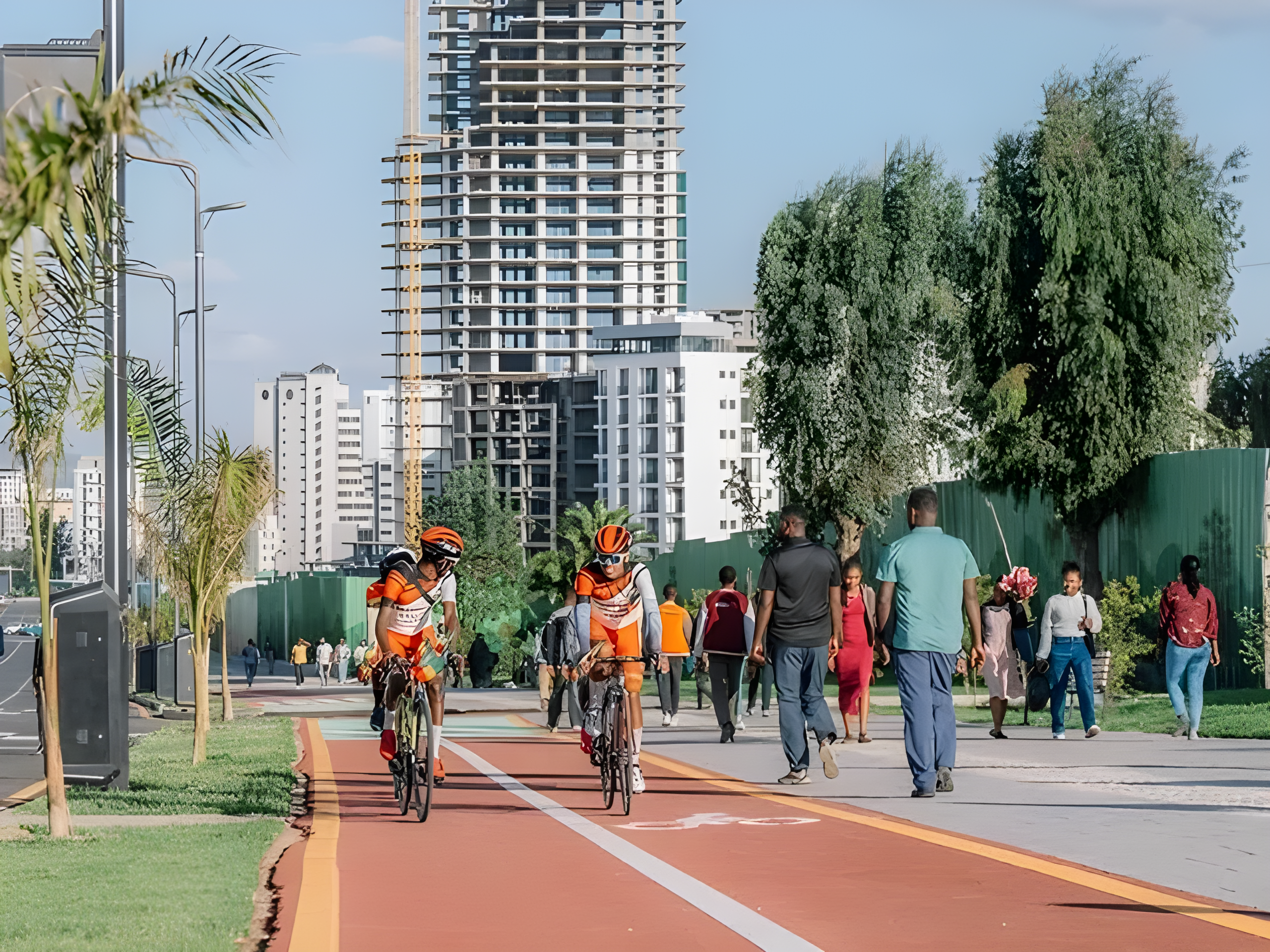
The initiative began in 2018, when government agencies refurbished their shabby headquarters. Paint, landscaping and polished floors were financed not from the treasury but from “contributions” by investors. Soon the campaign expanded outdoors. Riverbank developments became the flagship: a grand plan to rehabilitate polluted rivers and turn them into promenades dotted with cafes. Funding initially came from abroad. The United Arab Emirates, keen to court Ethiopia, pledged millions. France, flexing cultural diplomacy, also chipped in.
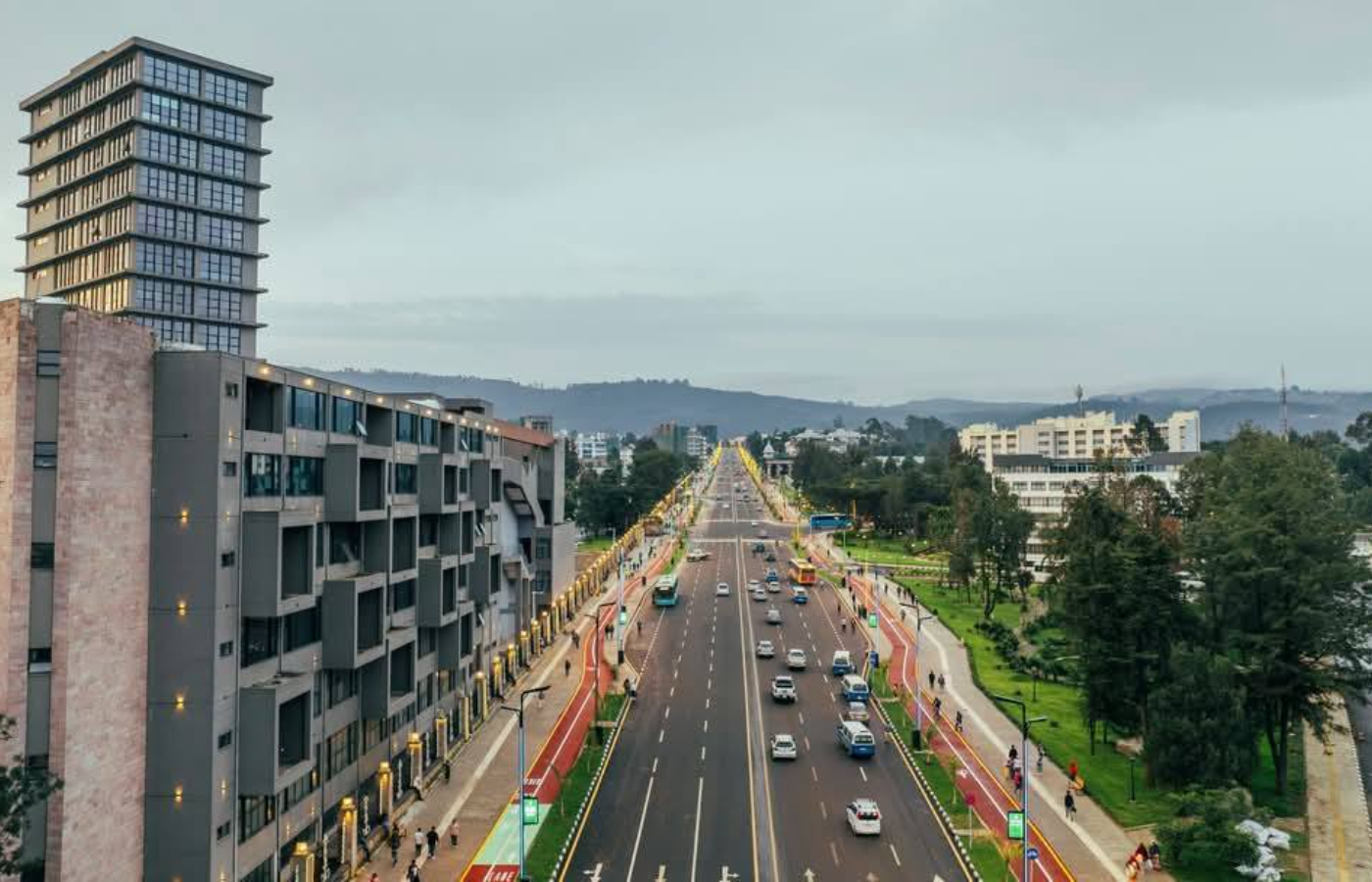
For a while, the project carried diplomatic glamour. Addis, home to the African Union, looked more presentable to visiting dignitaries. Abiy personally planted trees and cut ribbons. Drone footage of riverside walkways flooded social media. But as projects multiplied, foreign funding waned. Addis Ababa’s municipality now bears the bulk of costs. By 2022, the initiative was no longer confined to the capital. Secondary cities were told to follow suit.
Originally dubbed the “Beautification Project”, the initiative soon faced criticism for frivolity. In 2022 it was rebranded as “Corridor Development”—a term suggesting commerce and infrastructure rather than cosmetic landscaping. The semantics mattered. “Beautification” sounded like vanity; “corridor development” like strategy. In an interview released ahead of publishing of his latest book Abiy boasts that the Entoto-to-4 Kilo corridor created 700 new businesses, reduced crime with streetlights and cameras, and put Ethiopia “on par with the developed world”. He urges other African states to study Addis’s example.
The rebranding made the initiative easier to defend, but the mechanics hardly changed. Shopkeepers were still compelled to upgrade at their own expense. Municipalities still diverted scarce funds into corridors. International partners still applauded the optics. Critics argue the shift in language was more about politics than economics. “A good look does not hide growing inequality,” says one urban expert. The project, he argues, produces two realities: the affluent thrive along polished boulevards, while the poor are pushed outward.
The tilt toward cities marks a sharp break from Ethiopia’s developmental orthodoxy. Previous regimes claimed to prioritise rural masses, where most Ethiopians lived. Roads, fertiliser subsidies and agricultural extension defined policy. Abiy reversed this logic. He insists that urban life—“a reflection of beauty, health and modernity”—is the key to prosperity. Unlike farm yields, corridors offer visible dividends: new shops, cafes and tourist attractions. For foreign dignitaries, a revitalised riverfront conveys a stronger message than crop statistics.
Urban pivots carry political uses. They provide tangible symbols of progress and appeal to urban youth, whose protests helped topple the previous regime. They also burnish Ethiopia’s diplomatic image. But the projects have bred resentment among the very traders and tenants they were meant to inspire. For a government that promised prosperity, forcing shopkeepers to spend 80,000–95,000 birr on facades risks alienating crucial constituencies.
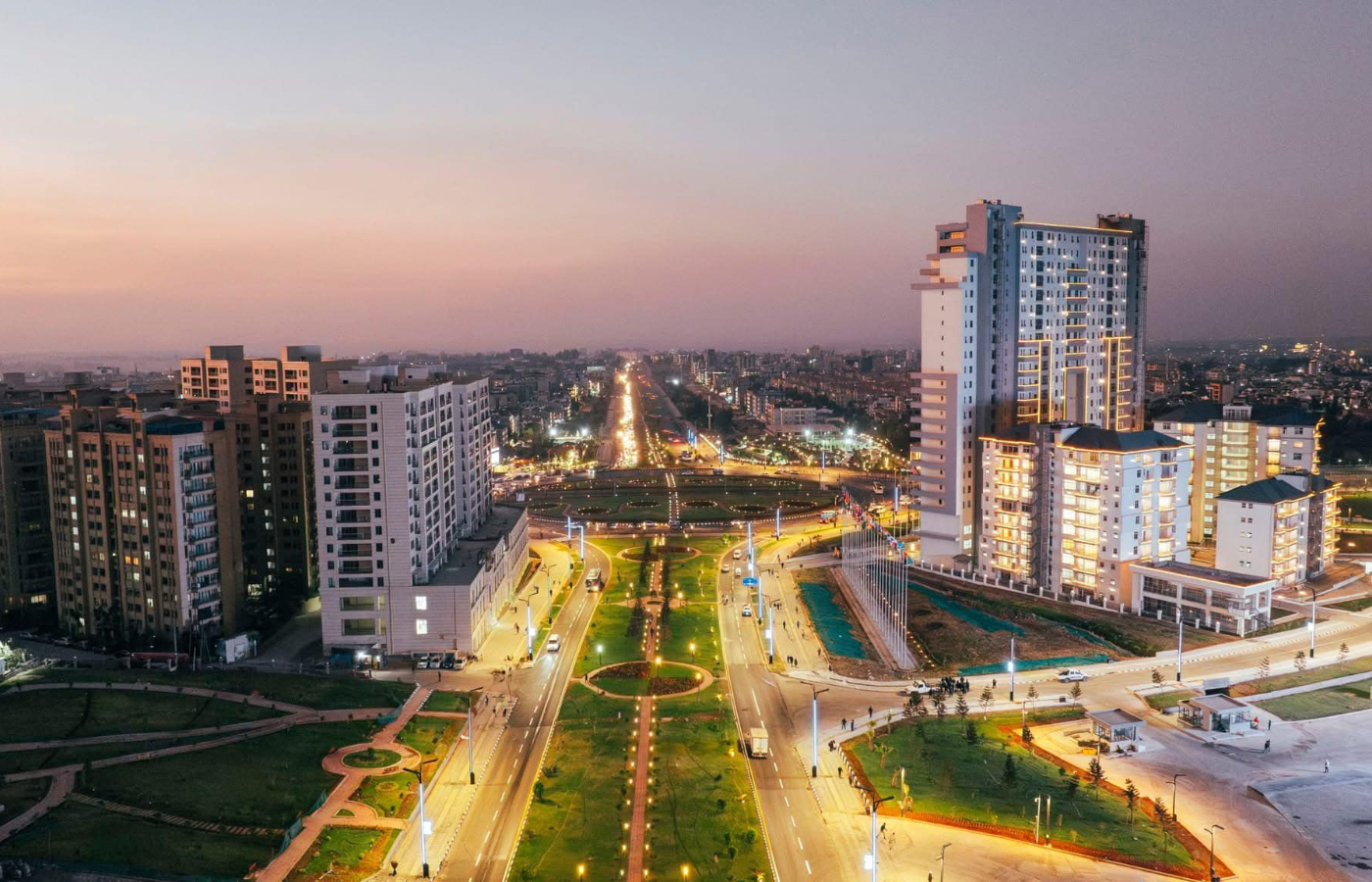
The economic contradiction is stark. Inflation remains high. Unemployment plagues the young. Poverty, measured against the World Bank’s 3-dollar line, remains pervasive. Yet the state continues to plough resources into urban aesthetics. Supporters counter that the long-term dividends—tourism, investment, higher property values—will outweigh the costs. Critics note that much of the burden falls on those least able to bear it.
Some prosper. Landlords and contractors profit handsomely from mandated renovations. Traders who can afford upgrades benefit from higher rents and visibility. Others are squeezed. The Kazanchis neighbourhood illustrates the dilemma. Residents there were relocated into new housing, which many saw as better than their shanties. Yet relocation also meant dislocation: further from jobs and networks. Elsewhere, poorer residents are nudged toward the periphery.
Beautification also doubles as a security strategy. Thousands of new lights and cameras have, by government accounts, cut crime.
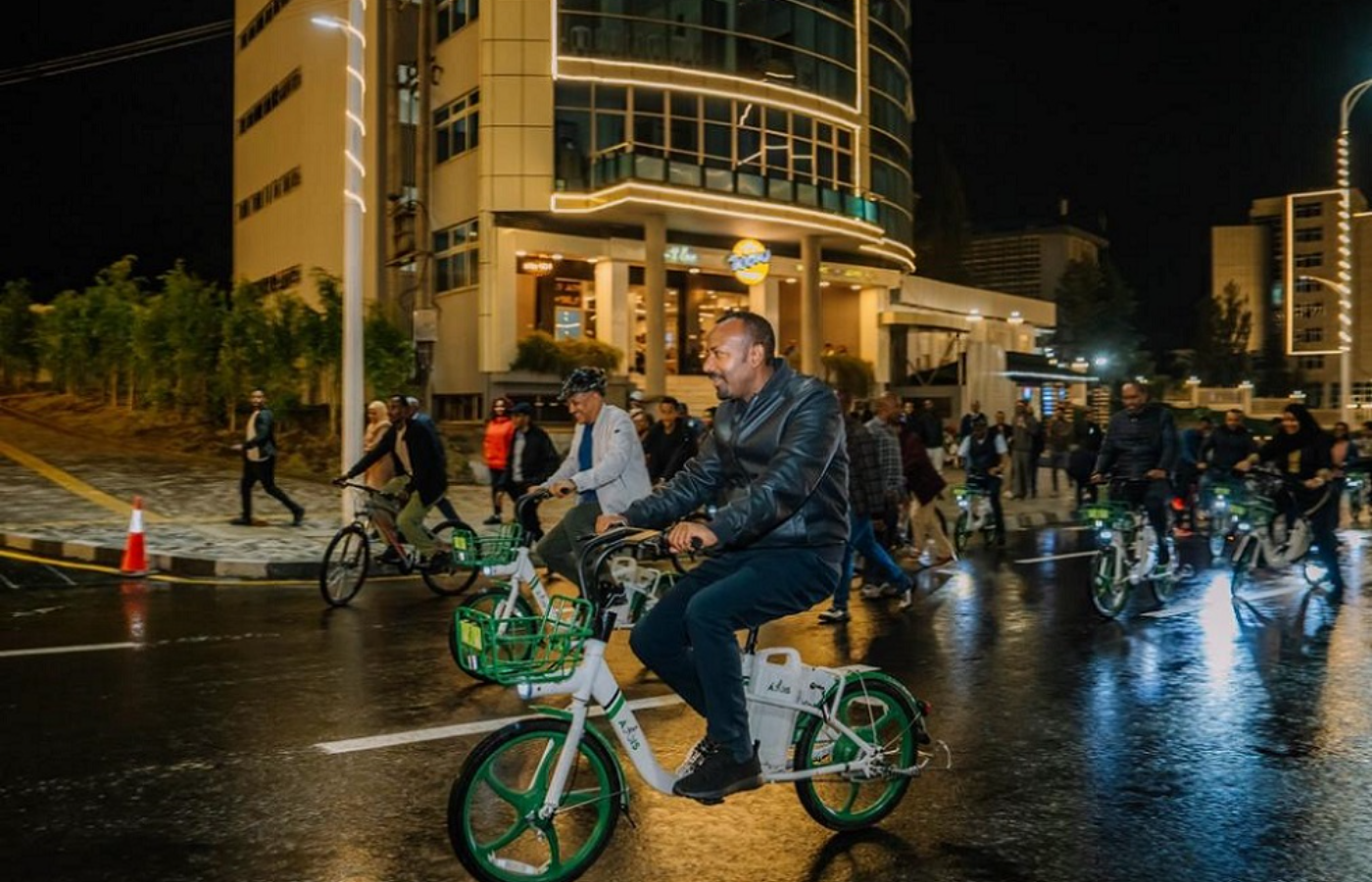
Abiy presents Ethiopia as a continental pioneer. Delegations from other African capitals, he notes, have visited Addis to study its corridors. His rhetoric positions Ethiopia not as a recipient but as a source of urban innovation. Comparisons complicate the claim. Kigali’s cleanliness stems from strict regulation and state discipline, without such onerous private costs. Nairobi’s gentrification pushed the poor outward, widening inequality.
The political logic is clear. Corridors are visible, photogenic and symbolically potent. They provide a short-term narrative of modernity, even if underlying economic structures remain fragile. For Abiy, this is enough. Ribbon cuttings and drone footage offer legitimacy at a time of debt stress and social strain.
For Ethiopia, however, the risk is larger. Urban makeovers may inspire confidence and reassure investors, but they do little to resolve poverty, unemployment or fiscal fragility. Potemkin corridors glitter in the spotlight, yet the lives behind them grow dimmer. The country’s costly makeover may, in time, be remembered less for its gleam than for the burdens it imposed.




