

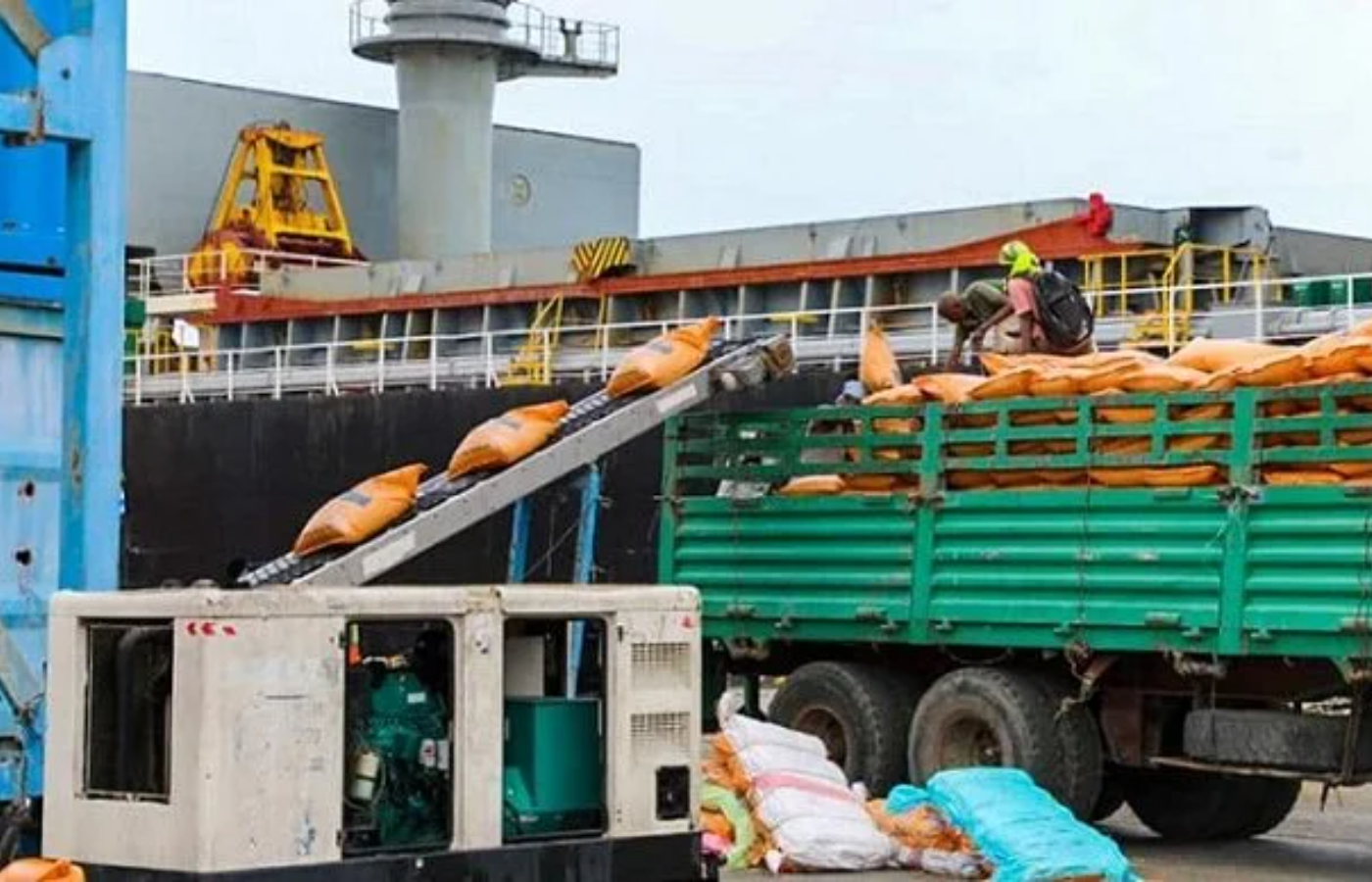
Ethiopia channels nearly all the fertilizer it imports to domestic farmers, re-exporting almost none, in contrast with neighbouring countries such as Kenya and Zambia, which send a portion of their purchases to regional markets.
The Ethiopian Agricultural Businesses Corporation manages more than 90 percent of imports, while cooperatives handle distribution to farmers.
In 2024, Ethiopia purchased nearly 1.97 million tonnes of fertilizer from international suppliers, maintaining its position as Africa’s largest importer, according to the International Fertilizer Development Center (IFDC). Unlike other countries in the region, Ethiopia retains almost all fertilizer for domestic use.
The Africa Fertilizer Industry Development Association (AFIDA) was launched on September 1, 2025, at the Africa Food Systems Forum in Senegal. The association aligns with the Ten-Year Fertilizer and Soil Health Plan adopted in Nairobi in May 2024, which aims to improve fertilizer availability, quality, and access for smallholder farmers across the continent.
Sub-Saharan Africa remains heavily reliant on imported fertilizers due to limited local raw materials. In Kenya, 834,331 tonnes were imported in 2024, including NPK compounds, diammonium phosphate, urea, and calcium ammonium nitrate blended domestically; about 117,000 tonnes—or 14 percent—were re-exported. Zambia imported 796,713 tonnes, predominantly urea, and re-exported 109,160 tonnes. Nigeria and Côte d’Ivoire rely on imported primary fertilizers blended with locally produced urea for domestic and regional use.
Ethiopia is exploring avenues to reduce its vulnerability. In August 2025, the government signed a 2.5 billion US dollars agreement with Nigeria’s Dangote Group to develop a fertilizer manufacturing facility in Gode, Somali Region. The plant is expected to produce up to 3 million tonnes of urea annually using feedstock from the Ogaden Basin.




