

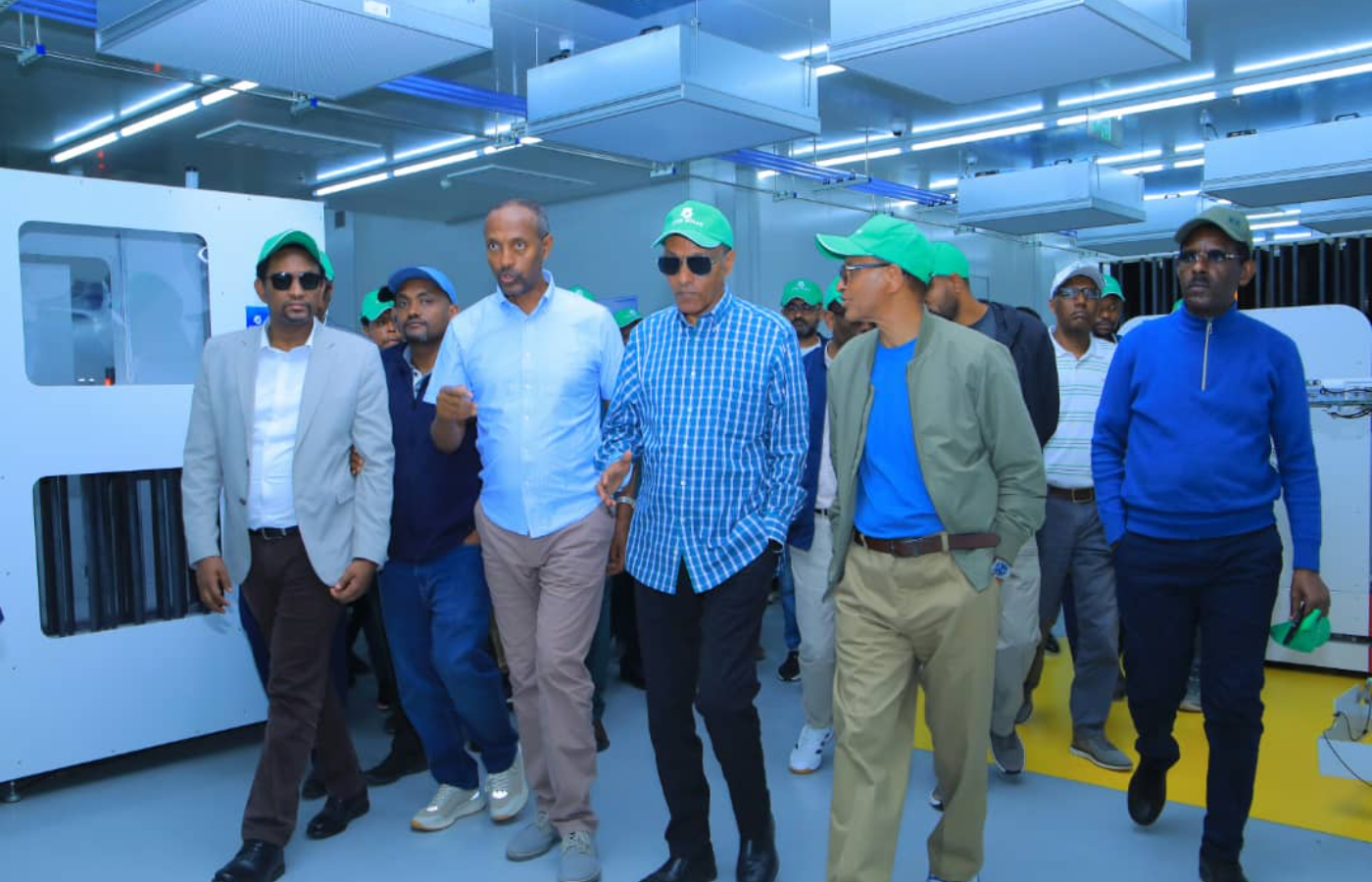
Officials overseeing Ethiopia’s special economic zones have called for urgent measures to address persistent operational bottlenecks, including water supply, electricity provision, and land allocation.
The appeal came during field assessments in the Bole Lemi and Kilinto zones, part of the National Industrial Council’s ongoing efforts to monitor industrial activity and identify solutions to operational challenges. Council members, led by Ambassador Girma Birru, met with zone managers to review current conditions and ongoing projects.
Industry Minister Melaku Alebel and senior officials from the Agriculture Ministry, Ethiopian Development Bank, and Industrial Parks Development Corporation joined the inspections. They noted that resolving utility and land constraints is critical for accelerating facility development, supporting workforce integration, and improving productivity.
Officials highlighted that addressing these bottlenecks would encourage private sector investment, enable expansion of production capacity, and strengthen the competitiveness of industrial enterprises operating in the zones.
Bole Lemi II and Kilinto industrial parks, both have faced operational delays due to infrastructure challenges. Kilinto Industrial Park, for instance, has been stalled for years due to power issues and complicated right-of-way problems. The Industrial Parks Development Corporation requested 200 MW for Kilinto and 134 MW for Bole Lemi II but has seen no progress despite the procurement of cables worth 635 million birr.
The Ministry of Industry confirmed that field assessments will continue across additional zones in the coming months to monitor progress and provide guidance.




