

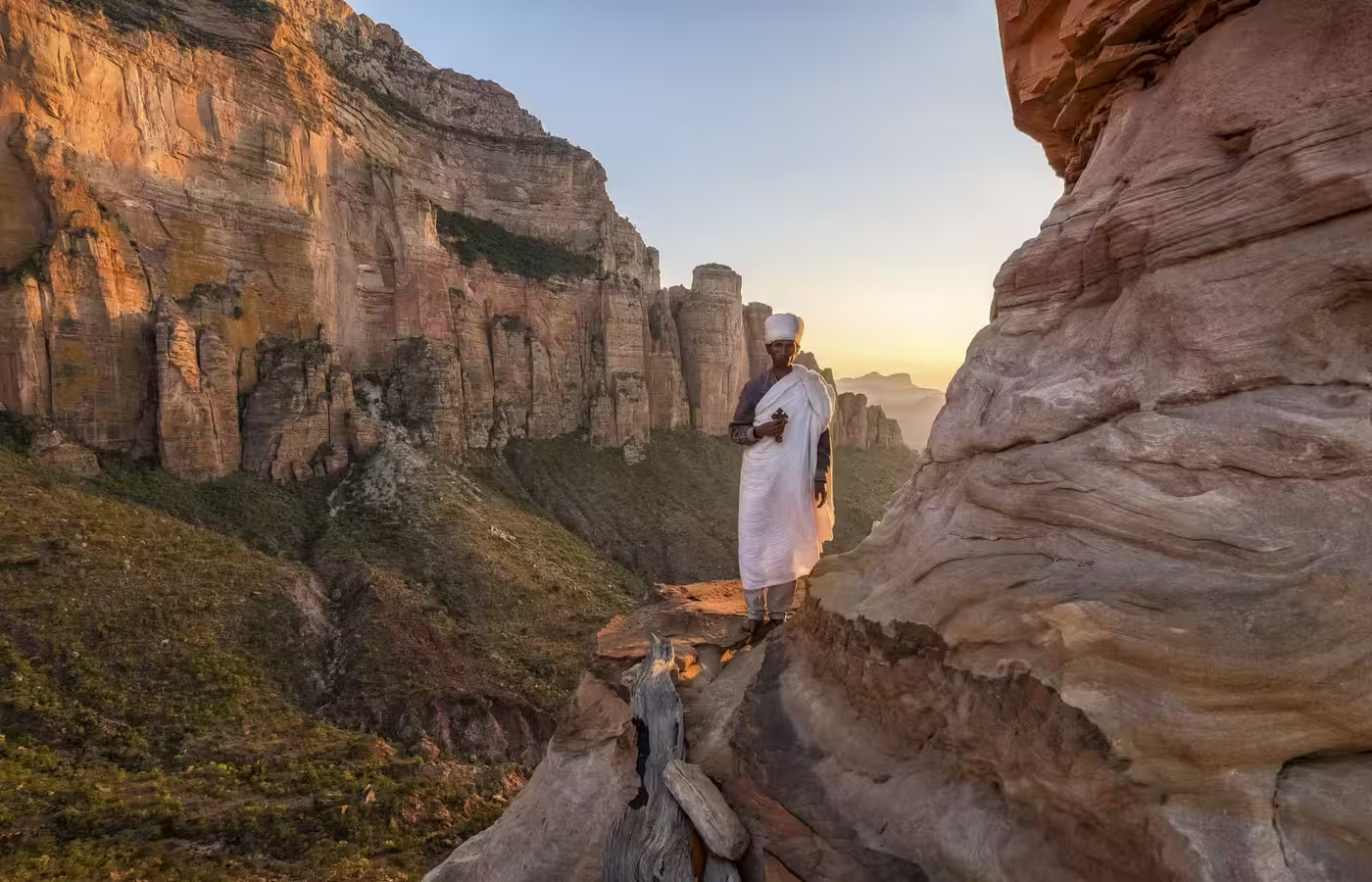
Ethiopia, Africa’s oldest independent nation, has been recognised as the continent’s most underrated destination, combining dramatic landscapes, rich heritage, and a growing tourism economy.
According to travel platform Off The Beaten Travel, the country’s rock-hewn churches, castles, and natural wonders distinguish it from more frequented destinations such as South Africa or Kenya. Lalibela’s monolithic churches, a UNESCO World Heritage site, remain a key draw, with travel experts describing the town as “absolutely worth the trip.”
Over the past 11 months, Ethiopia generated 4.8 billion birr in tourism revenue, achieving 96 percent of the 5 billion birr target set for the fiscal year, according to the Ministry of Tourism. The sector now accounts for 3 percent of the national economy, with official arrivals reaching 942,000 by April, up nine percent from the previous year.
The ministry also registered 148 new tourism-related investments, slightly below the projected 175. Minister Selamawit Kassa, during a parliament address on May highlighted the government’s emphasis on heritage and cultural tourism, including museums and historical sites, which attracted a combined 896,033 visitors, though only 60 percent of the annual attendance target was reached.
The Danakil Depression in northern Ethiopia, lying at the junction of three tectonic plates, is among the lowest points on Earth, offering visitors unique geological features such as flowing lava and hot springs. Ethiopia’s cuisine, particularly the national dish Doro Wat, adds to the country’s appeal, combining rich flavours with vibrant spices.
The capital, Addis Ababa, founded in the late nineteenth century by Emperor Menelik II, is Africa’s third-highest capital city, with a population exceeding five million. Jazz clubs, bars, and historic landmarks contribute to its reputation as a dynamic urban centre.
Despite travel advisories near borders with Sudan, South Sudan, Somalia, Kenya, and Eritrea, Ethiopia’s relatively low tourist density offers visitors a more authentic experience, free from crowded tourist trails. Authorities continue to advise prospective visitors to consult government travel guidance for safe trips.




