

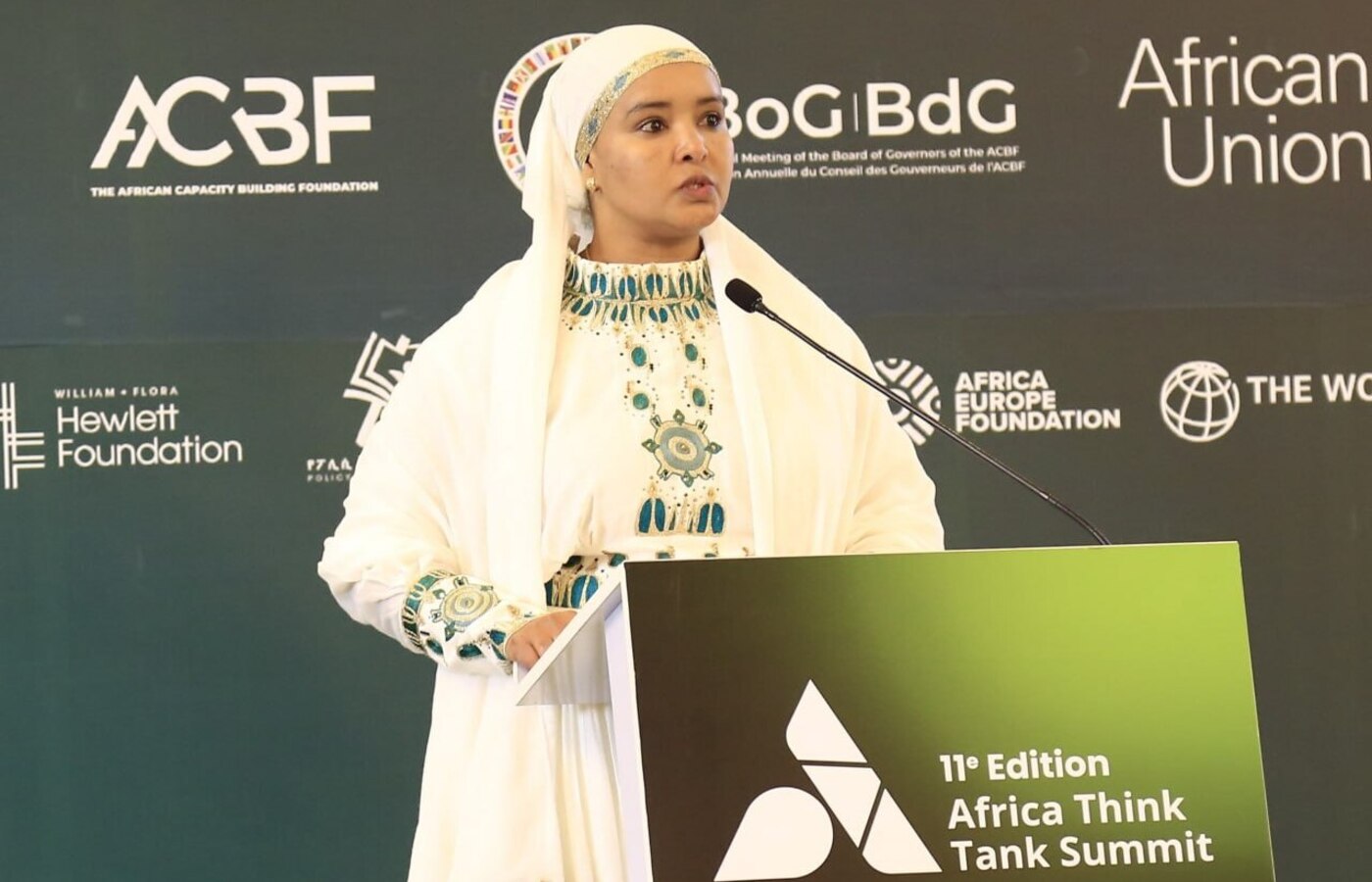
Ethiopia collected more than nine billion US dollars in tax revenue during the 2024/25 fiscal year—an 80 percent rise from the previous year—according to the Ministry of Revenues. The figure, announced by Minister Aynalem Nigussie at the 11th Africa Think Tank Summit, shows the scale of Ethiopia’s ongoing fiscal reforms, but the International Monetary Fund (IMF) cautions that structural challenges continue to erode the country’s tax capacity.
Aynalem credited the surge to modernisation efforts, including the nationwide rollout of the Integrated Financial Management Information System (IFMIS), which she said has improved transparency, compliance, and fiscal discipline across federal institutions. She emphasised that Ethiopia’s “home-grown reforms” in taxation and public financial management aim to strengthen domestic resource mobilisation and reduce dependency on external assistance.
However, recent IMF assessments present a more sobering picture of Ethiopia’s tax system—characterised by a shrinking tax base, low collection efficiency, and heavy dependence on indirect taxes. The Fund’s Tax System: Structure, Performance, and Benchmarking report shows that Ethiopia’s tax-to-GDP ratio stands at around 7.5 percent, among the lowest in Sub-Saharan Africa and significantly down from 12.4 percent in 2014/15.

Economists say this gap reflects deep structural weaknesses. Over the past decade, the country’s economic expansion—driven increasingly by private consumption rather than public investment—has failed to translate into corresponding revenue growth. Government-led infrastructure spending once facilitated compliance through VAT withholding mechanisms, but this channel weakened as public investment fell from 37 percent of GDP in 2015/16 to 22 percent by 2022/23.
As a result, VAT revenues dropped by 2.4 percentage points of GDP, corporate income taxes by 0.7 points, and trade taxes by 1.1 points. The shift has left Ethiopia’s revenue base narrower, more volatile, and less responsive to growth.
Compounding this are currency and trade distortions. Prior to the July 2024 devaluation, the birr’s overvaluation and strict foreign exchange controls had suppressed imports, sharply cutting trade tax receipts. Following the devaluation—when the currency fell from 56 to over 135 per US dollar—customs duties doubled between July 2024 and April 2025, partly offsetting earlier losses but exposing fiscal volatility tied to exchange-rate adjustments.
The IMF also identifies administrative inefficiencies and limited tax elasticity as major constraints. Ethiopia underperforms regional peers in consumption, income, and trade tax mobilisation, with benchmarking studies attributing much of the gap to weak enforcement, poor data systems, and the dominance of informal sectors. More than 70 percent of tax revenue comes from regressive indirect taxes, amplifying inequality and leaving the system vulnerable to inflation shocks.

The country’s fiscal problems extend beyond taxation. Despite a tripling of tax collections from 235 billion birr in 2018/19 to about 900 billion birr in 2024/25, the government continues to face budget shortfalls. The 2025/26 federal budget—set at 1.93 trillion birr—projects revenues of 1.1 trillion birr, leaving a significant financing gap amid declining aid flows and rising debt-servicing costs.
Inflation remains another pressure point. While annual inflation fell to 16 percent in 2024/25, cumulative price erosion since 2020/21 exceeds 200 percent. Median wages remain stagnant at around 3,000 birr a month, straining purchasing power and widening the informal economy—where most households earn below the poverty line.
The federal government’s fiscal centralisation also weighs on regional administrations, which depend heavily on federal transfers but face borrowing restrictions that limit local autonomy. Analysts warn that vertical imbalances could worsen if aid declines or domestic revenues falter.
Against this backdrop, the IMF’s latest Tax Expenditures in Sub-Saharan Africa report has drawn attention to Ethiopia’s widespread and poorly monitored tax exemptions, arguing that such policies further erode the revenue base. The Fund urges stricter monitoring and clearer performance benchmarks to ensure fiscal incentives do not undermine reform progress.
In response, the government passed Proclamation No. 1395/2025 in July, adjusting income tax thresholds and expanding regional authority in tax administration. Implementation, however, will depend on institutional capacity and political commitment—issues the Minister herself acknowledged.
“Policy on its own is not sufficient,” Aynalem said.




