

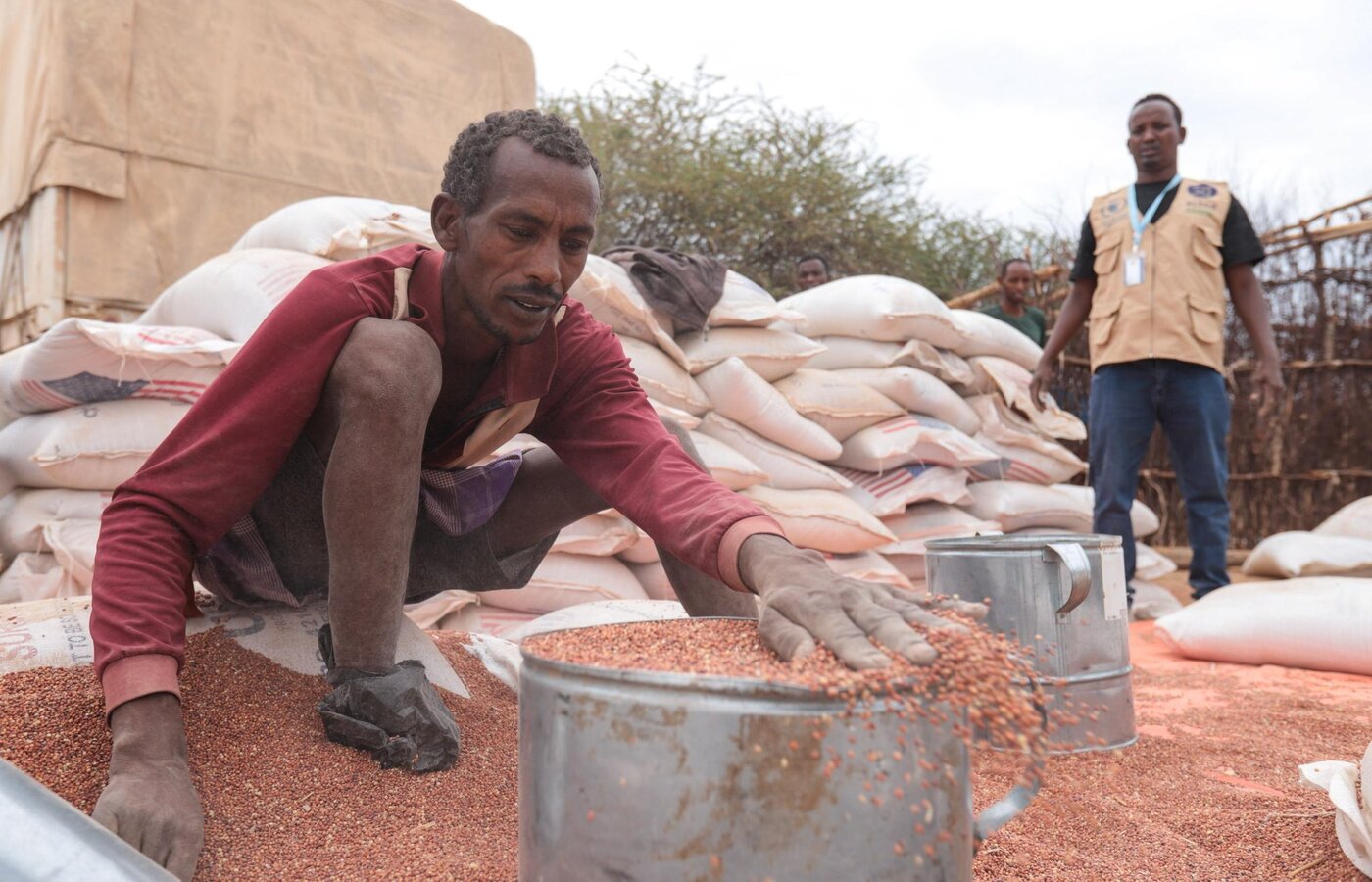
The UN World Food Programme has appealed for 230 million US dollars to maintain food assistance in Ethiopia, warning that refugees face rising hunger amid critical funding shortages.
In October, rations for 780,000 refugees across 27 camps were cut from 60 percent to 40 percent of standard daily needs, providing fewer than 1,000 calories per person per day. Around 70,000 newly arrived refugees from Sudan and South Sudan will continue to receive full rations for the next six months, with malnutrition rates among these arrivals reported to be high.
Zlatan Milisic, WFP Ethiopia Country Director, said, "We are making impossible choices. We are trying to reach as many refugees as possible with meaningful amounts of food assistance. But without more funds, these reductions are just another step towards stopping food distributions completely."
Supplies of specialized nutritious foods for malnourished children and mothers are also running low and are expected to run out by December, threatening support for roughly one million vulnerable individuals. WFP had previously warned in April that nutrition supplies were at risk, prompting emergency donor support to continue programmes.
The agency is also working with the Ethiopian government to assist 700,000 people in the southeastern Somali region, which has been affected by both drought and flooding. Milisic added, "Our operations have been hanging by a thread for months now. This is not only undermining our ongoing support to food-insecure Ethiopians and refugees, but also our preparedness to respond to new crises."
Between January and October 2025, WFP provided food aid, nutrition programmes, school meals, and resilience activities to 4.7 million vulnerable Ethiopians. The gap between humanitarian needs and available funding has grown since the last ration reduction in May 2023, raising concerns over the organisation’s ability to respond to further refugee arrivals or climate-related shocks.




