

The International Monetary Fund’s latest World Economic Outlook skipped Eritrea once again, exposing the Horn of Africa nation’s persistent isolation from the global financial system.
The semiannual report, published on October 14, projected global growth of 3.2 percent for 2025 and 3.1 percent for 2026, citing trade frictions and fiscal strains. Yet, while most countries received detailed forecasts, Eritrea was conspicuously absent—an omission that has now become routine.
The IMF said it cannot provide projections for countries that fail to supply basic economic data. Eritrea, which has not undergone a full Article IV consultation since July 2019—the first in more than a decade—has offered little transparency on its GDP, inflation, debt, or trade performance.
That information blackout leaves the Fund with no basis for inclusion in its global database, effectively erasing Eritrea from key international analyses. The country’s opaque approach stands in contrast to neighbours such as Ethiopia, which secured a 3.4 billion US dollar IMF bailout in 2024 after agreeing to improved data-sharing and policy reforms.
Eritrea’s absence from the IMF’s economic radar mirrors deeper structural fragilities. The nation remains hampered by a tightly controlled economy, weak foreign exchange reserves, and limited banking capacity. The 2019 IMF mission described its outlook as “dire,” warning of high public debt and chronic liquidity shortages.
The lifting of UN sanctions in 2018 and a brief thaw in relations with Ethiopia raised expectations for economic recovery.
However, progress has largely stalled, and Asmara’s reluctance to engage with multilateral institutions has left it cut off from concessional finance and investor interest.
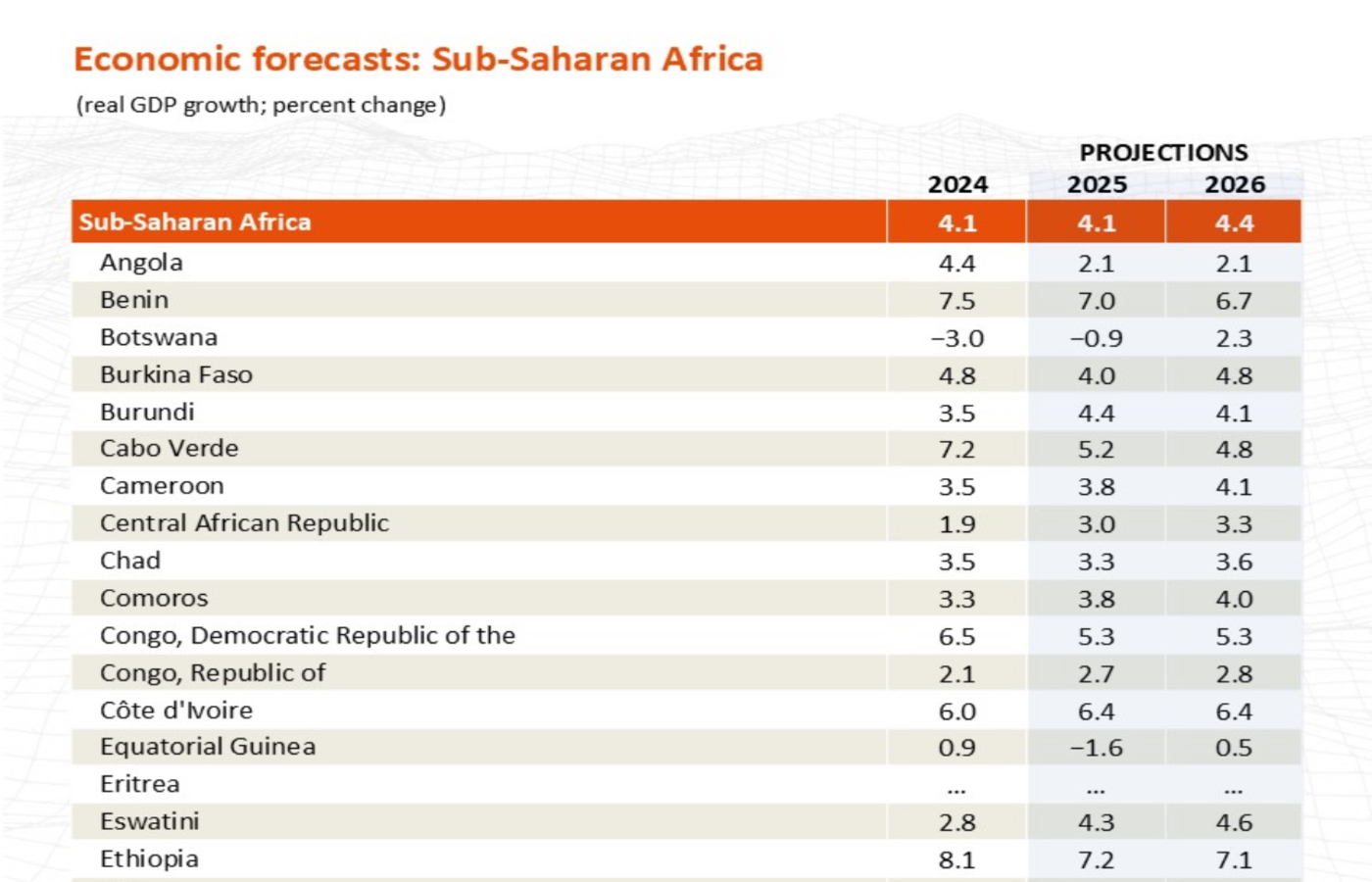
Analysts estimate Eritrea’s GDP at between two and three billion US dollars—too small to alter Sub-Saharan Africa’s growth trajectory but significant enough to underscore a lingering blind spot in regional data.
“Without basic transparency, Eritrea effectively locks itself out of the global economic conversation,” said one Horn of Africa economist familiar with the matter.
While the IMF leaves the door open for re-engagement, Eritrea’s long-standing emphasis on self-reliance and its cautious stance toward foreign institutions suggest little change is imminent. For now, the country remains off the books—literally and economically.




