

Ethiopia’s large-scale gold producers fell sharply short of production targets in the first quarter, highlighting persistent operational challenges in the country’s formal mining sector, according to the Ministry of Mining.
YMG produced only 0.45 kilograms of gold against a target of 10.74 kilograms; Ezana Mining delivered 42.1 kilograms of a planned 84.3; Zumbara produced 3.4 kilograms against 19.17; Astela Trading yielded 5.43 kilograms from a nine-kilogram target; and Sidama Mining failed to produce any gold. Some companies achieved less than five percent of their planned output.
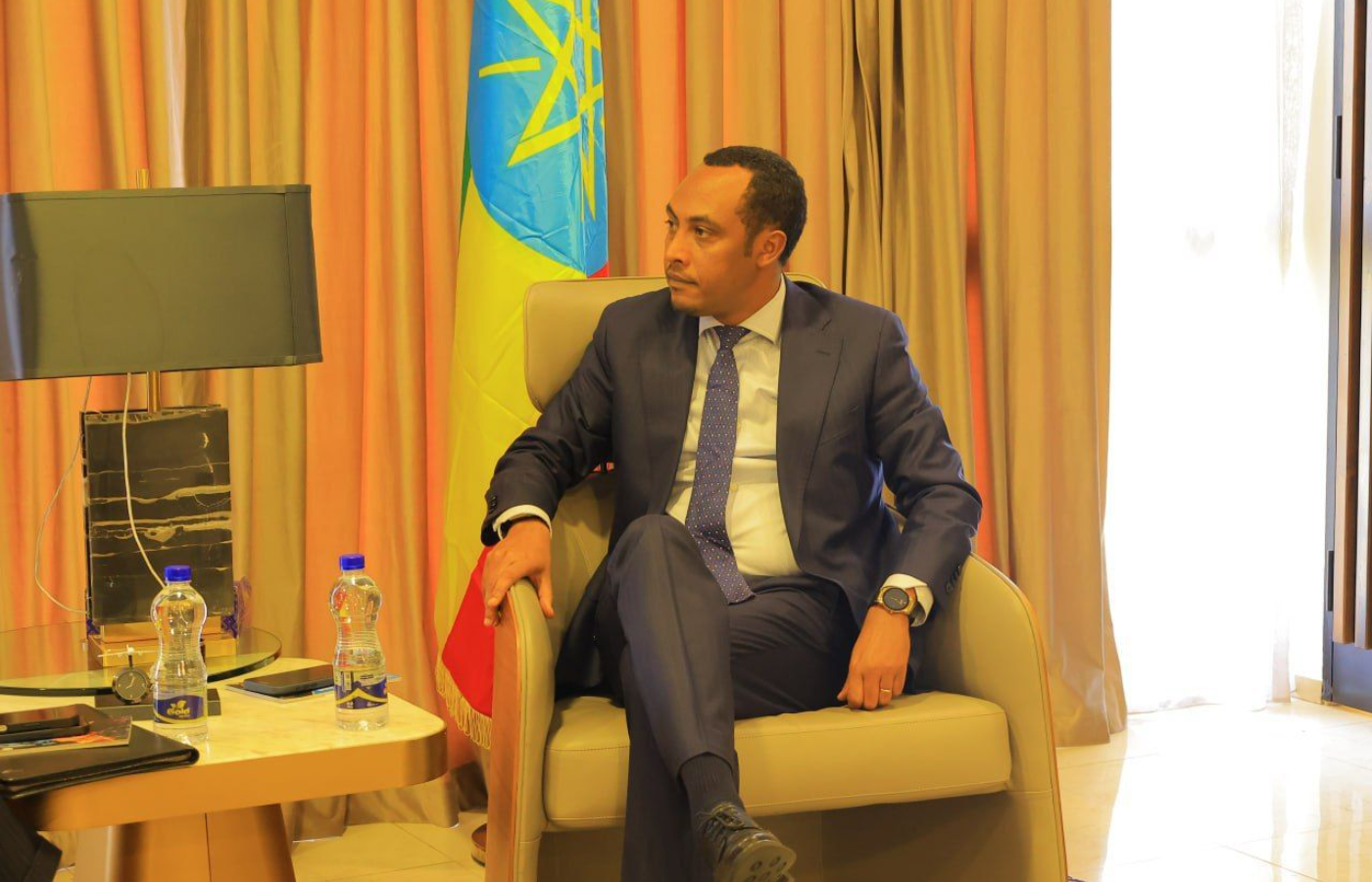
Minister Habtamu Tegegne said underperformance reflected inherited challenges and recovery delays. “Ezana had its inherited problems. It is still under recovery,” he said, referring to extensive damage sustained by the company’s Terakimti facility near Shire during the Tigray conflict. YMG’s output, he added, illustrates the need for stronger partnerships with artisanal miners.
Despite the slump among large-scale producers, Ethiopia’s gold exports contributed to the country’s wider mineral export growth, which reached 2.48 billion US dollars in the first quarter of the 2025/26 fiscal year—a 117 percent increase over the same period last year. Much of this increase was driven by artisanal miners.
The Ministry has launched ten initiatives worth four billion birr to strengthen large-scale mining operations, including digitalisation, infrastructure development, data management, and regional institutional support. Five of these projects are implemented in partnership with Addis Ababa University. To support regional institutions, the Ministry has provided more than 33 vehicles and 100 laptops.
Minister Habtamu also highlighted plans to expand the export portfolio to include lithium, tantalum, and gemstones, and said steel production in Wello and Welega will be a priority. However, operational delays continue: a cord-drilling project intended to cover 400 kilometres completed only 20 kilometres in the first quarter.




