

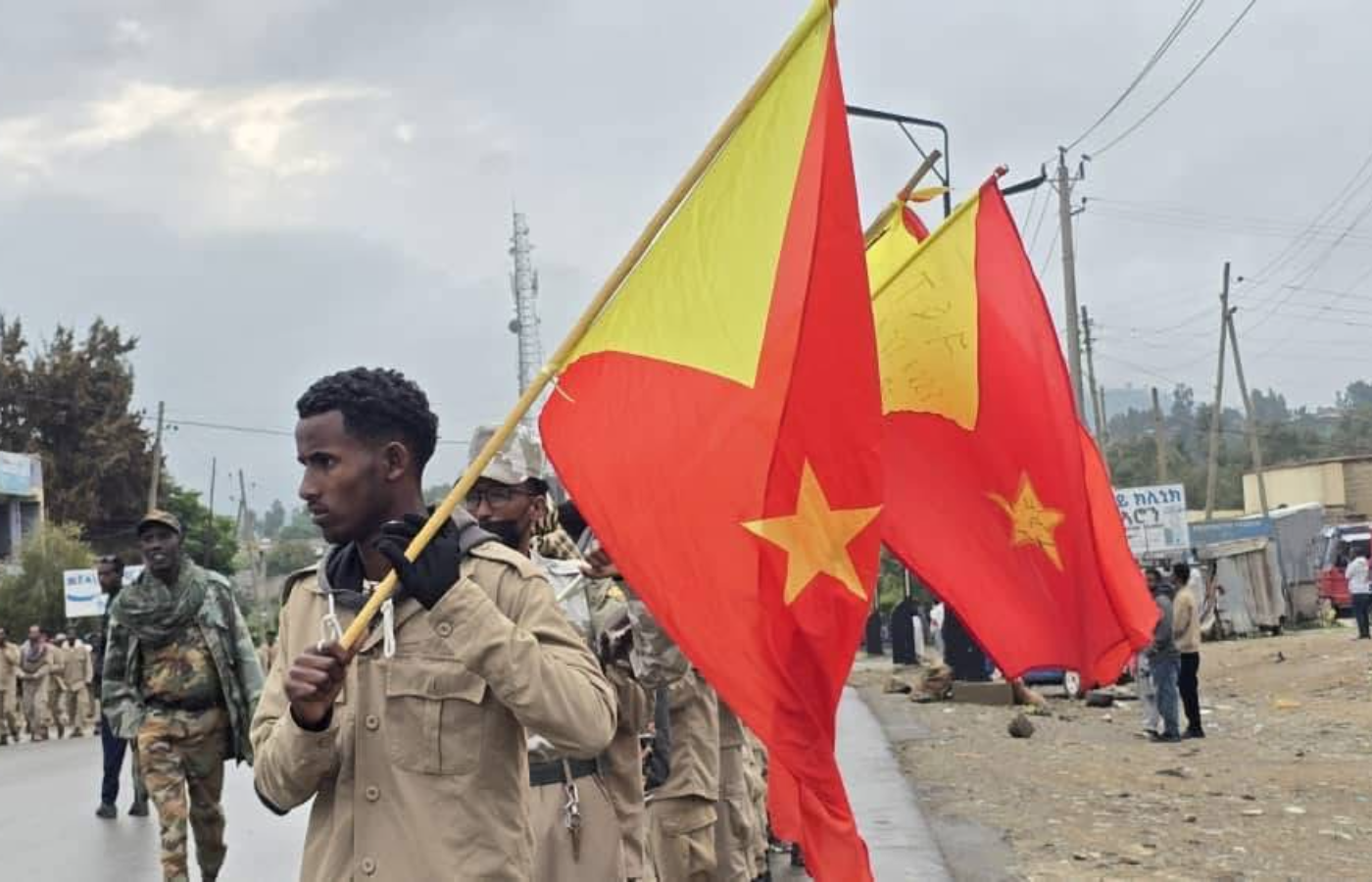
When Meron Gebretsadik opened her hair salon in central Wekro, she believed she had stepped into the life she had imagined since childhood. At 27, she had poured 300,000 birr—her savings, small family contributions, and a modest loan—into turning a dusty one-room space into a place for beauty and conversation. Business grew quickly. The salon earned more than 20,000 birr per month, enough to support her family, keep her younger sister in school, and employ three women.
When the first explosions hit Wekro, Meron locked her door, holding her keys “as if holding on to the very last thread of normalcy.” Days later, that thread had snapped. The mirror lay shattered across the floor. Plastic chairs were melted into warped shapes. The shelves she had built were bare. Her prized hair dryers—her largest investment—were “twisted and blackened, unrecognizable.” The posters on the wall had turned to ash. “It was everything I built. My whole life,” recalls Meron.
Her experience is one of thousands documented by the Commission of Inquiry on the Tigray Genocide (CITG). Two new reports estimate that Tigray suffered more than 94 billion US dollars in verified economic and social damage since the war began in November 2020.
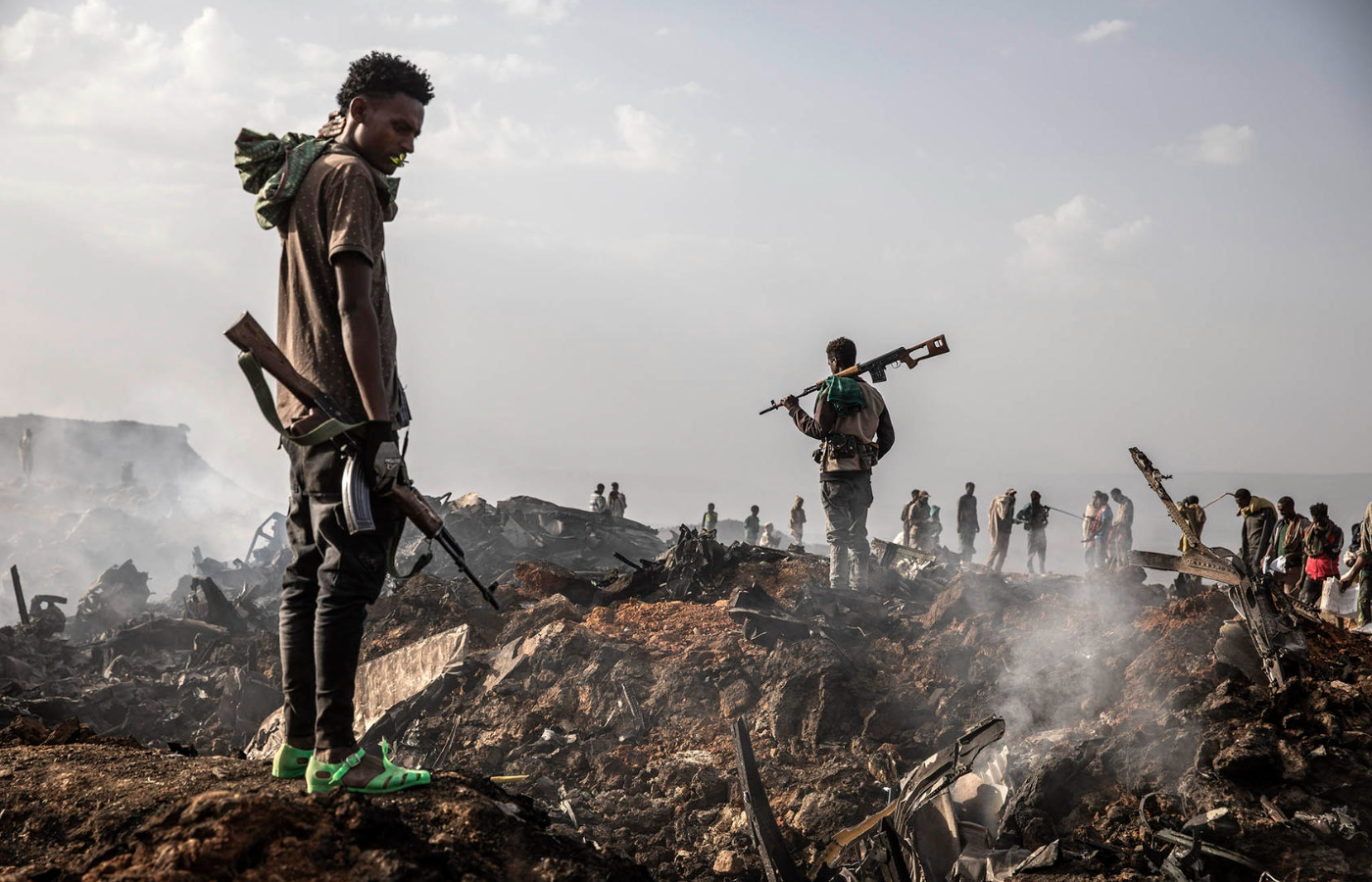
The findings are presented in two assessments: The Productive Sector War Damage and Loss Assessment (Volume I), published on November 6, and The Systematic Undoing of Society: War Damage and Loss in the Social Sector of Tigray (Volume I), released on October 29. Together, they describe what the Commission calls “the complete dismantling of Tigray’s productive and social infrastructure.”
According to the economic report, verified destruction and loss in productive sectors reached 83.84 billion US dollars. Social sectors—including health, education, cultural heritage, and social welfare—recorded 10.86 billion US dollars in losses.
The Collapse of an Economy
The Commission reports that the region experienced 33.13 billion US dollars in physical destruction and 50.71 billion US dollars in economic losses due to the war and blockade. Manufacturing suffered 15.6 billion US dollars in lost output and a job loss rate of 93.4 percent. Trade recorded 12.08 billion US dollars in losses. Agriculture accounted for 10.9 billion dollars in long-term losses, with “30 percent of arable land left unused during the conflict.” Services registered 7.97 billion US dollars in losses, and the finance sector 611 million US dollars. Household income declined by 3.53 billion US dollars.
Physical destruction was concentrated in services, with 13.86 billion US dollars in verified damage, followed by trade at 8.62 billion US dollars, agriculture at 5.45bln US dollars, and manufacturing at 3.47bln US dollars. Residential property and personal assets accounted for 1.69 billion US dollars. The report states that “76.73 percent of total physical damage qualified as complete or total destruction.”
The workforce also collapsed. The Commission estimates that 368,449 workers—“89.9 percent of pre-war employment”—lost their jobs. In the financial system, lending fell by 96 percent while deposits rose by 17 percent. According to the report, the rise in deposits reflected “institutional liabilities,” as borrowers were required to repay loans despite having no income. Expected credit losses increased from 0.68 percent of outstanding loans before the war to 69 percent.
Gebrekiros Hagos, Director of the Economic Damages and Loss Assessment Research Center at CITG, said this is the first officially published document by the Commission. He noted that the federal government’s earlier assessment was “limited in scope,” covering samples from Mekelle and Tigrayans living in Addis Ababa. The CITG report surveyed more than 55,000 enterprises across manufacturing, agriculture, services, financial institutions, and trade—still a fraction of Tigray’s more than 160,000 enterprises.
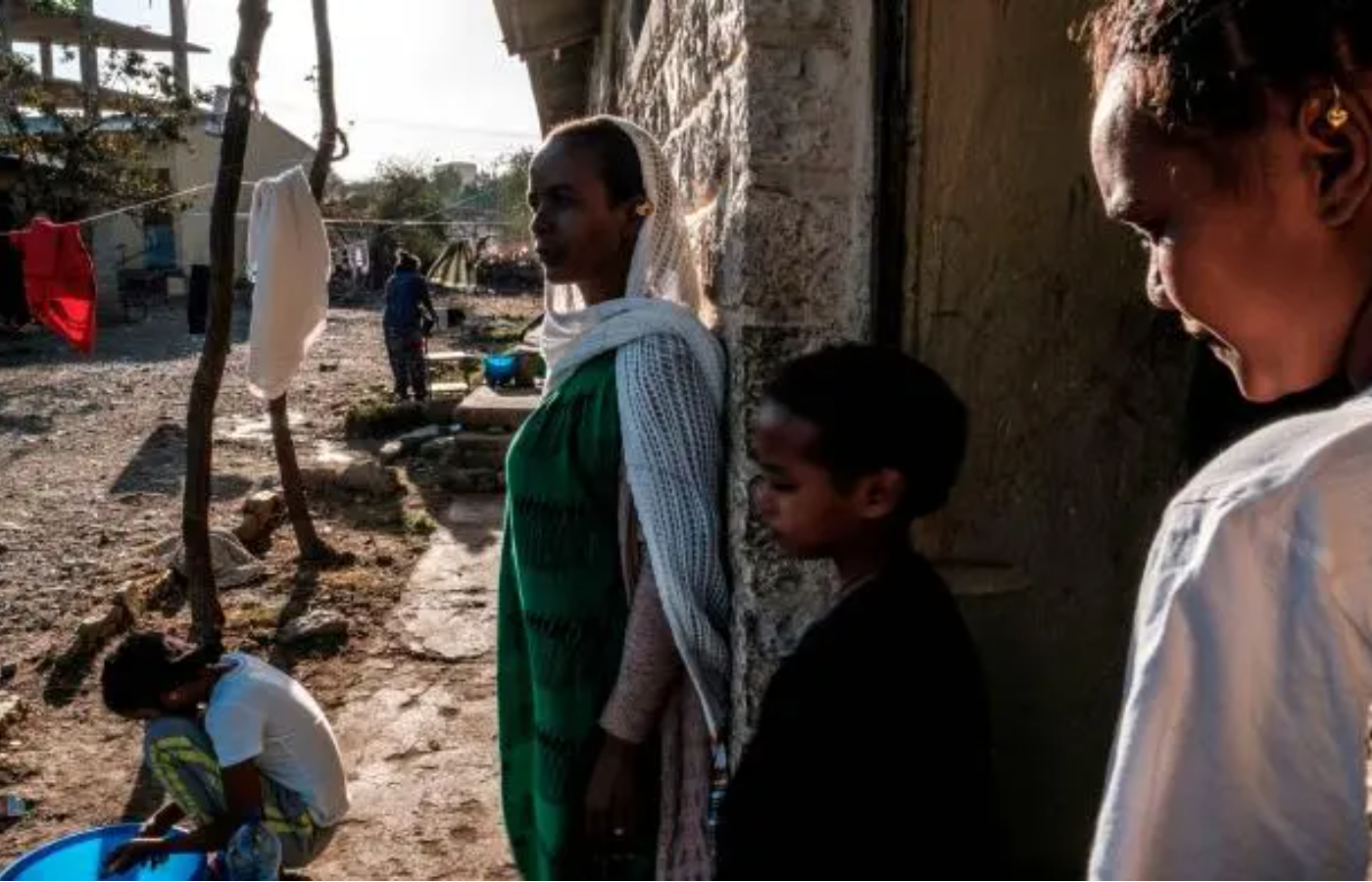
Researchers initially planned to assess 1.4 million households but collected verified data from 657,360 due to access constraints. Several areas—including parts of central Tigray, as well as western, some eastern, and southern zones—remain outside the administration’s control and were not assessed.
The report covers damage from 2020 to 2022, with some losses extending into 2023. It excludes destruction from the 88-day war preceding the Pretoria Agreement. These will be included in Volume II. Gebrekiros added that valuations were based on the purchase value of assets, not current market prices. The reported increase in deposits, he emphasised, “does not mean individuals were saving more.”
The report concludes that the war and blockade produced “a structural paralysis of the regional economy,” adding that losses from the blockade exceeded the value of assets destroyed in combat. It recommends prioritising restoration of the financial system, reopening trade corridors, and reviving manufacturing and agriculture.
The Unravelling of Social Life
The Systematic Undoing of Society report estimates 10.86 billion US dollars in verified loss across education, health, cultural heritage, and social welfare. Education accounted for 5.38 billion US dollars; health for 3.59bln US dollars; cultural heritage and religious institutions for 1.6 billion US dollars; and social welfare organisations for 278 million US dollars.
More than 1.2 million children were out of school as enrolment fell by more than 80 percent. About 14,000 teachers and education officials “did not return to service.”
The health system nearly collapsed. Maternal mortality rose from 186 to 840 per 100,000 live births. Immunisation coverage fell from “100 percent to 20 percent.” Fewer than 30 percent of health facilities remained functional.
Lives Behind the Numbers
Yet it is individual stories that show what the numbers mean. In Adwa, Frewoyni Yhidego—pregnant with her first child—remembers September 15 with painful clarity. Labour began suddenly. There were “no ambulances. No taxis. No private cars.” Her mother pleaded with soldiers for help. “She begged him like someone begging for life,” Frewoyni says. They were eventually placed in the back of a military vehicle.
At the hospital, electricity had run out. The generator worked only during the day. Staff placed her in a wheelchair and realised she was losing blood. In the delivery room, lighting was so poor that “some nurses used a candle to assist with visibility.” By the time she was examined, her child had already been delivered—but had not survived. “I lived, but a part of me stayed in that room,” she says.
Goitom Tetemke (PhD), Director of the Research Center for Social Services and Value Damages at CITG, said the education assessment focused on public schools. The study found 716 schools “moderately non-functional,” 274 “severely damaged,” 31 TVET institutions “completely non-functional,” and eight “partially functional.” Most damage occurred in northwestern Tigray. 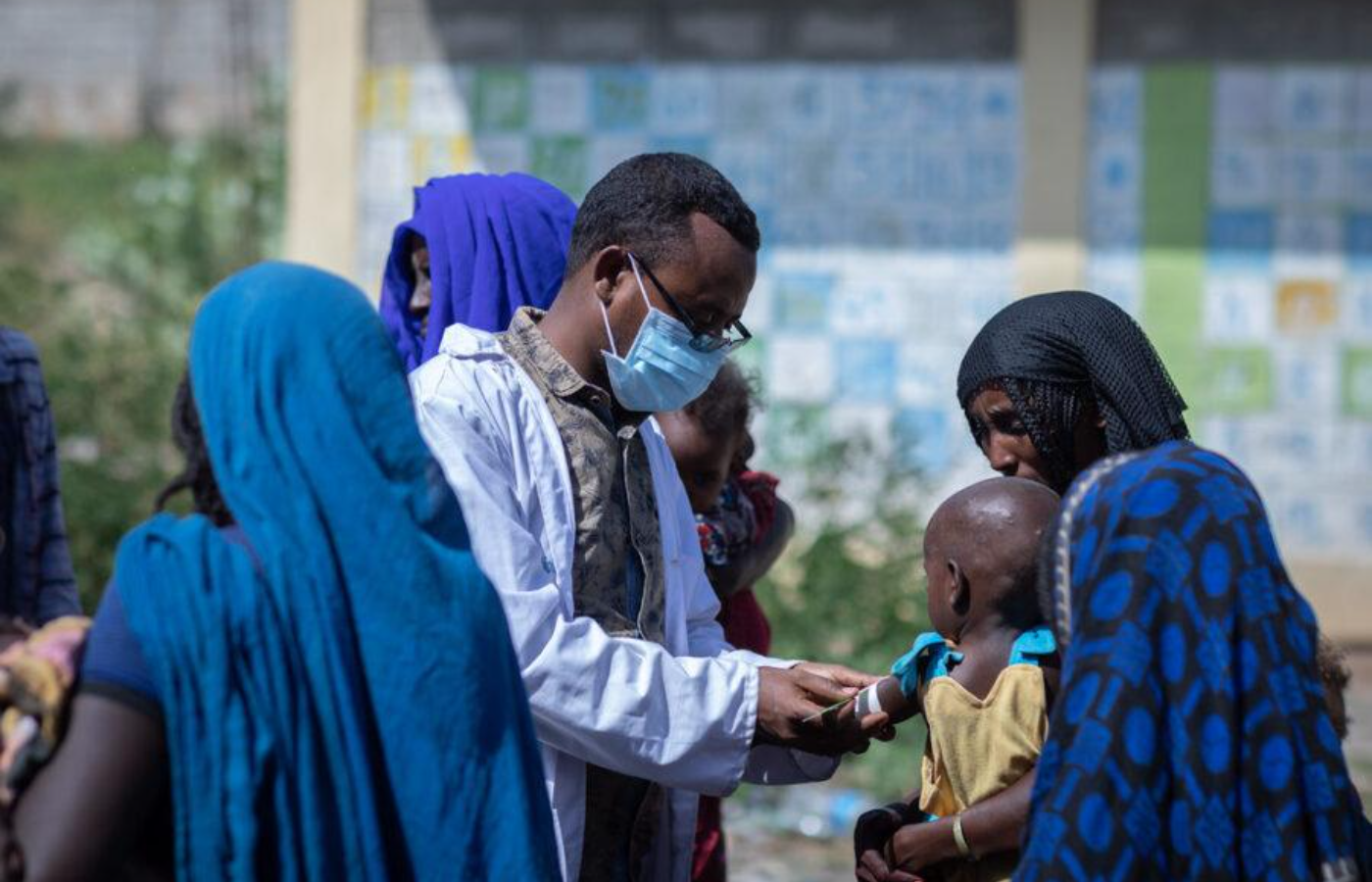
In the health sector, 186 of 224 health centres were non-functional. All 720 rural health posts were out of service. Of 250 ambulances, 221 were non-operational. “There has since been better intervention and improvement,” Dr Goitom said, adding that upcoming reports will include more household-level data.
Both studies note that several areas—especially Western Tigray and parts of the eastern and northwestern zones—could not be assessed due to security restrictions. The Commission warns that no extrapolation was used to fill gaps. All figures represent verified submissions adjusted for price comparability. The values reflect “intergenerational assets and accumulated wealth,” not annual GDP.
For Meron, the figures matter less than the memory of picking through her ruined salon. For policymakers, the harder task lies ahead: rebuilding an economy and society whose destruction can be measured—but whose repair depends on restoring the everyday lives behind those numbers.




