

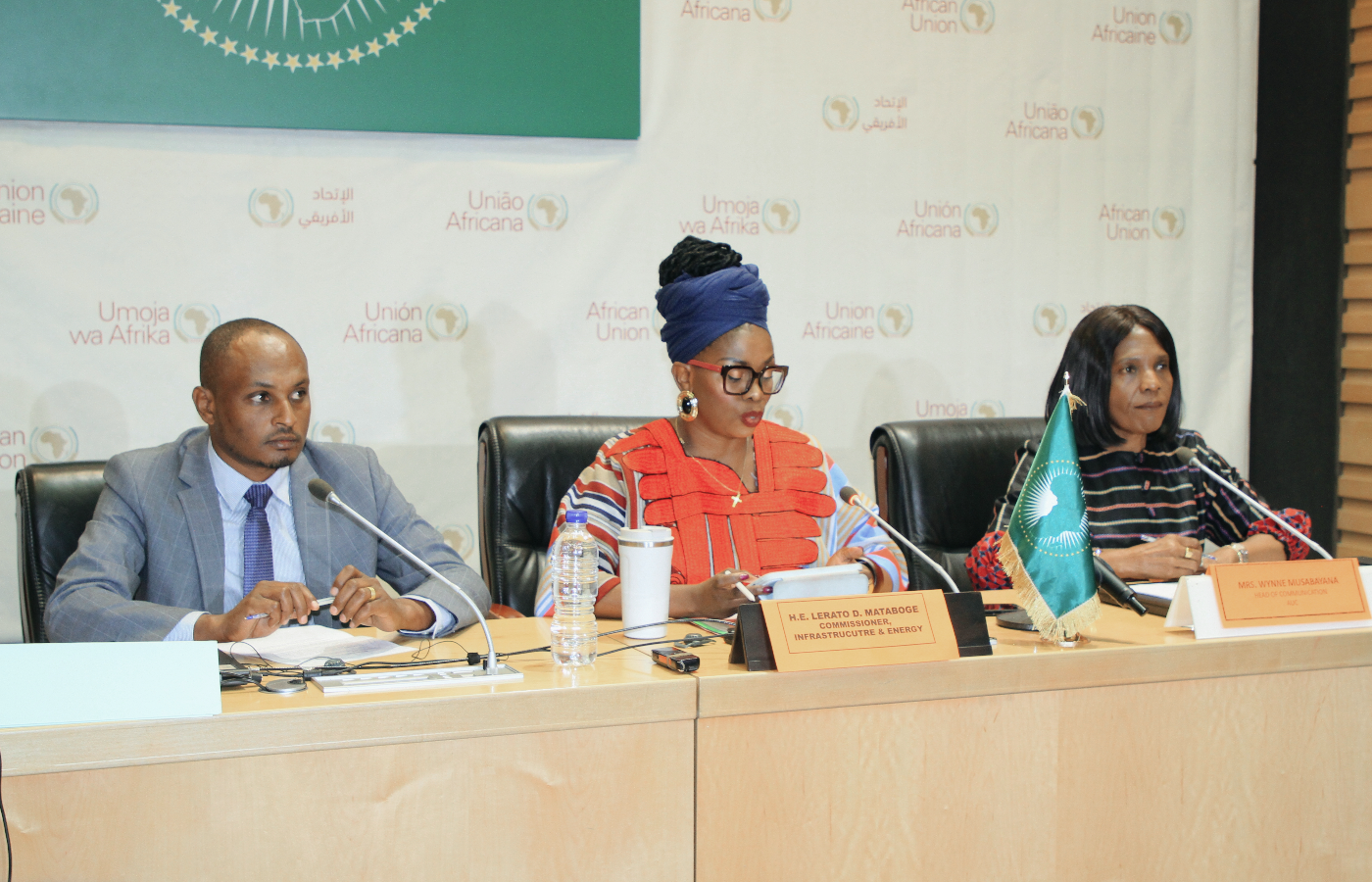
The African Union, through the African Energy Commission (AFREC), is calling on the African Development Bank, the OPEC Fund, the European Union, the United Nations Industrial Development Organization (UNIDO) and the German Agency for International Cooperation (GIZ) to support the upcoming African Energy Efficiency Alliance, a continental platform designed to accelerate energy efficiency projects across Africa.
Lerato Mataboge, AU Commissioner for Infrastructure and Energy, made the appeal at a press briefing ahead of the inaugural African Energy Efficiency Conference in Addis Ababa on December 10–11. The event, organised by the African Energy Commission in partnership with Ethiopia’s Ministry of Water and Energy and the Ministry of Trade and Regional Integration, will bring together ministers from more than eight Member States, alongside over 300 policymakers, technical experts and private-sector representatives, and will mark the official launch of the Alliance.
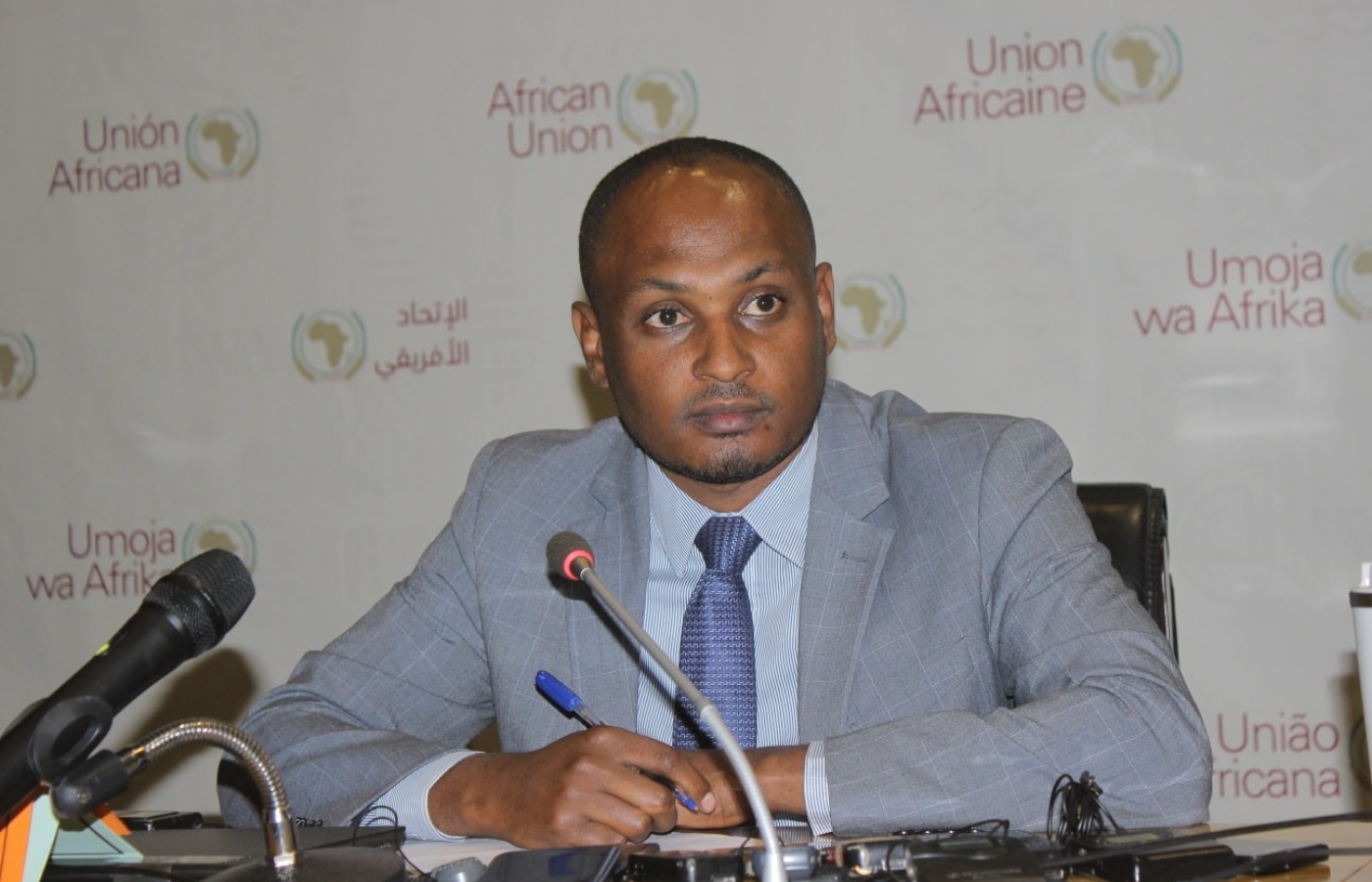
Engineer Bahiru Oljira, Deputy Director General of Ethiopia’s Petroleum and Energy Authority, told reporters that financing remains a persistent challenge for energy efficiency. "The conference will offer an opportunity to explore models to scale projects across Africa," he added.
The Deputy Commissioner stressed the need for development partners to mobilise resources through continental mechanisms and blended finance instruments. "Partnering with development banks and international agencies is critical to unlock the private investment necessary for these projects," she said, noting that the strategy aims to make efficiency projects more bankable and attractive to investors.
The Alliance builds on the African Energy Efficiency Strategy and Roadmap, adopted earlier this year by African Heads of State, which aims to increase energy productivity by 50 percent by 2050 and 70 percent by 2063, in line with Agenda 2063.
Africa’s energy deficit remains significant. More than 600 million people lack electricity, while close to one billion do not have access to clean cooking solutions. Utilities continue to lose power through technical and commercial inefficiencies, sometimes reaching 40 percent. The AU says improving efficiency offers one of the quickest, most cost-effective ways to ease the strain on grids. Simple steps, such as raising appliance performance standards, could save 175 terawatt-hours by 2040 while reducing emissions and electricity costs.
The strategy is also designed to complement existing initiatives, including the African Single Electricity Market and the Continental Power Systems Masterplan, by cutting losses across transmission and distribution networks. AFREC is preparing guidelines for Minimum Energy Performance Standards, energy labelling and eco-design to create a more integrated and competitive appliance market across Africa.
Member States are encouraged to show progress by integrating efficiency measures into their Nationally Determined Contributions under the Paris Agreement.




