

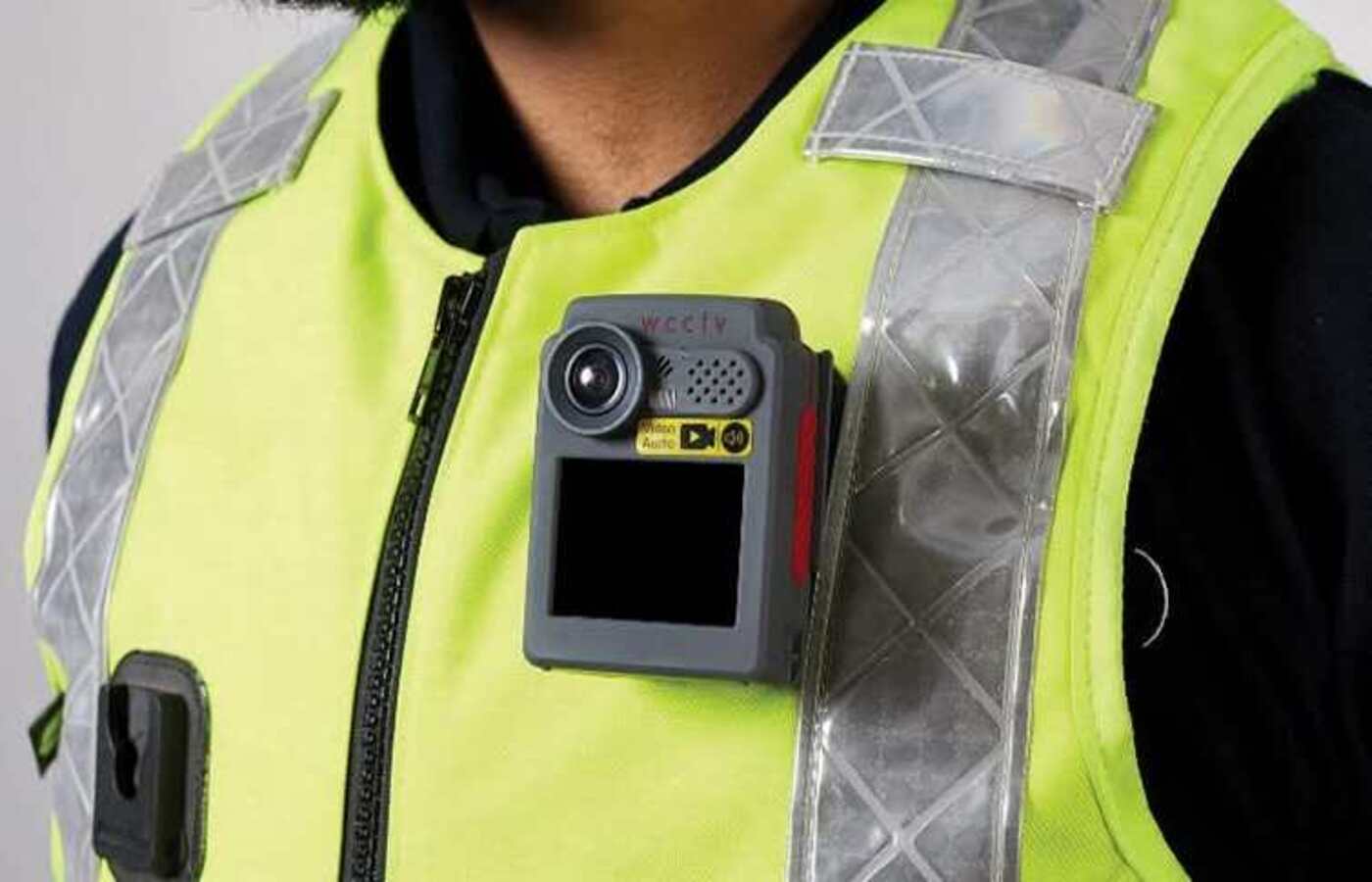
The Addis Ababa City Revenues Bureau has introduced new oversight measures intended to identify employees who request bribes from taxpayers, including the installation of surveillance cameras across eight hundred branches.
In a press briefing to local reporters today, the bureau said it has allocated more than 100 million birr for the installation of control cameras and the deployment of monitoring experts who will review interactions between taxpayers and assessment staff.
Binyam Mikru, head of the Addis Ababa City Revenues Bureau, told reporters that the initiative follows an increase in taxpayer grievances related to the tax assessment process.
"There are repeated complaints from taxpayers saying experts impose arbitrarily, they pressure us to give bribes, and other corruption-related issues. Since these come from taxpayers, this is a response to that," Binyam said.
Under the new procedure, control experts will monitor conversations between taxpayers and staff through audio and video feeds transmitted to a central unit. A uniform equipped with a body camera will be worn by assessment experts, linking directly to the central system. The monitoring technology, including the control cameras, was upgraded with support from the Information Network Security Administration.
Footage will be reviewed whenever complaints arise, including claims of arbitrary penalties or improper treatment. The Bureau says the system is intended to improve accountability within tax offices.
The measures coincide with Ethiopia’s wider effort to expand domestic revenue. Authorities have set a national tax collection target of up to 1.5 trillion birr, supported by reforms that widen VAT and excise coverage, reduce selected exemptions, and introduce property tax and a motor-vehicle circulation tax. The government is also formalising previously informal economic activities and strengthening compliance mechanisms to raise the tax-to-GDP ratio.
The revenue drive is part of commitments under the country’s programme with the International Monetary Fund (IMF), which identifies domestic revenue mobilisation as central to Ethiopia’s fiscal adjustment efforts. IMF assessments indicate that the country’s tax-to-GDP ratio remains below its estimated potential, and reforms to improve compliance, administration, and policy alignment form part of the programme’s priorities.
Experts, however, note that the government’s revenue ambition could add pressure on businesses and households. Business owners on various social media pages, too, have reported receiving high tax assessments, which they attribute to tax reforms they say were not clearly introduced or communicated.




