

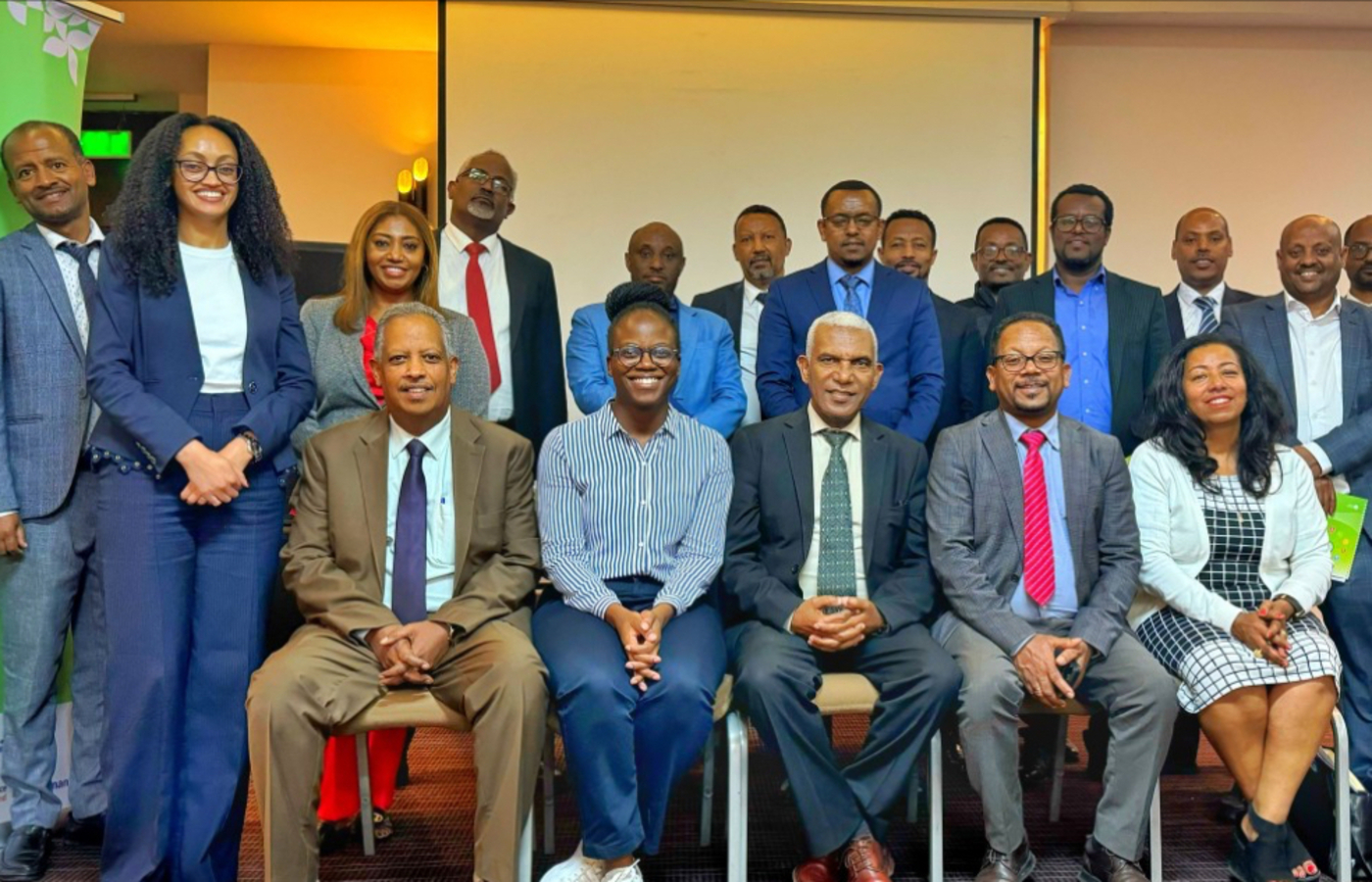
A plan to tackle the acute shortage of actuaries in the insurance industry gained traction this week as regulators, insurers and development partners validated a new national roadmap aimed at reducing costly reliance on foreign consultants and strengthening risk-based supervision.
The roadmap—endorsed at the Second Insurance Industry CEOs Roundtable—sets out a coordinated approach to building actuarial expertise, supporting regulatory reforms and broadening insurance coverage. It forms part of the UNDP–Milliman Global Actuarial Initiative (GAIN), which allocates up to two million US dollars a year in pro bono technical assistance across participating countries, backed by funding from Germany’s Federal Ministry for Economic Cooperation and Development.
Industry officials say the initiative comes at a critical moment. Ethiopia has no certified actuaries, leaving insurers and the National Bank of Ethiopia dependent on foreign specialists for pricing, liability valuation and compliance with IFRS 17. Fees paid to international consultants—along with outbound reinsurance premiums, imported IT systems and rising motor spare-parts costs—have made the industry a significant source of foreign-exchange outflow.
UNDP Ethiopia’s Inclusive Economic Transformation Team Leader, Gizachew, said actuarial capacity is central to building a modern insurance market. “Actuarial expertise is not a technical necessity; it is a foundational pillar of a modern insurance sector,” he said, adding that stronger local skills will support resilience, innovation and long-term financial stability.
Under the roadmap, a technical committee made up of the National Bank of Ethiopia, the Association of Ethiopian Insurers and Addis Ababa University will oversee implementation, including curriculum development and pathways for young professionals to pursue actuarial qualifications. UNDP said the next phase will focus on ensuring the process is “technically sound and nationally owned.”
GAIN aims to empower insurers, regulators and academia to improve risk assessment and product design, while supporting the country’s broader economic-transformation agenda. Industry leaders believe the effort could help reduce forex leakage, enhance regulatory credibility and build the talent needed for the sector’s transition to risk-based capital frameworks.




