

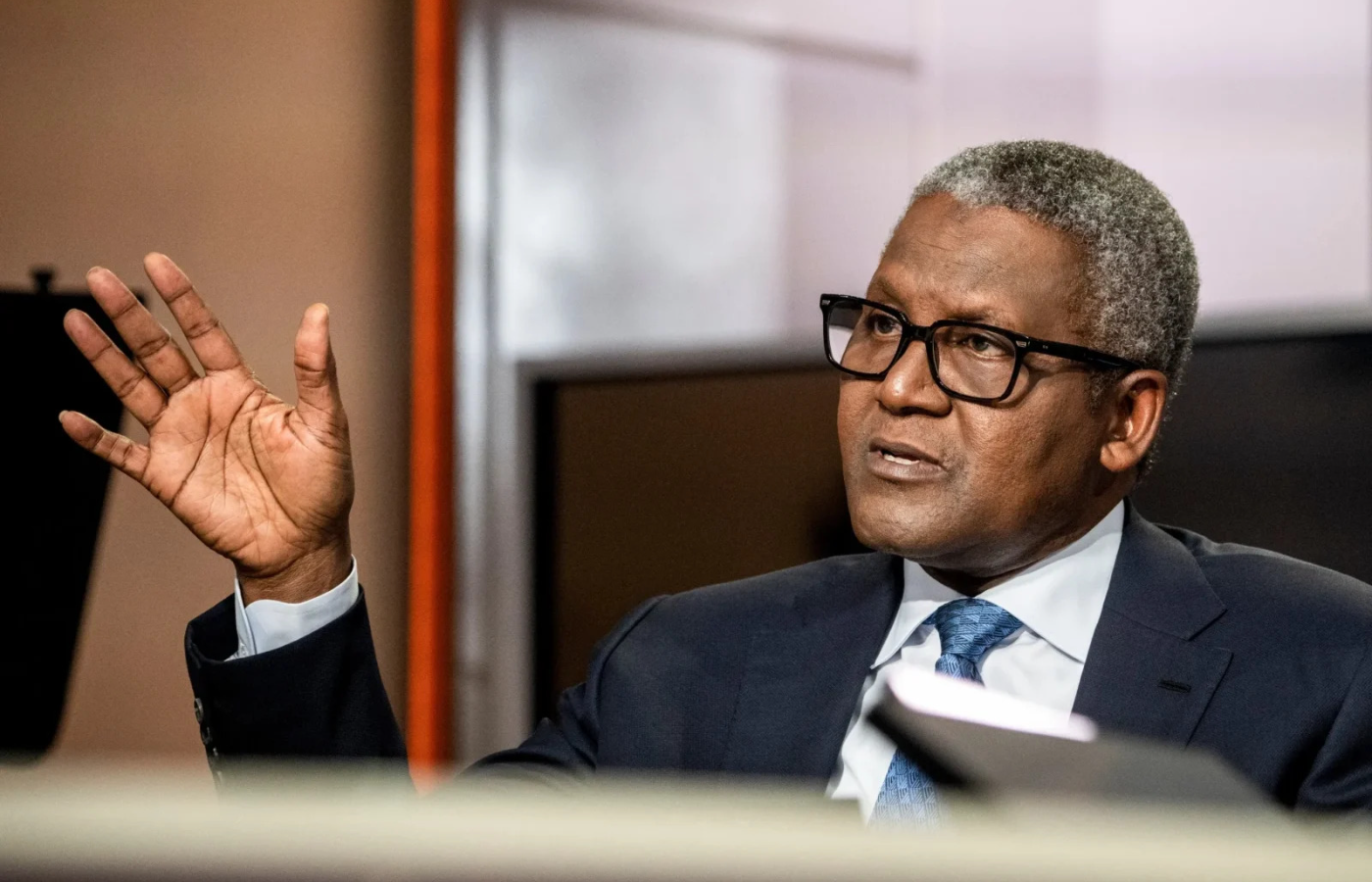
Aliko Dangote, Africa's richest businessman, escalated tensions with regulators on Sunday, claiming that persistent fuel imports are undermining domestic refining efforts and threatening jobs, as reported by Reuters.
At the heart of the dispute is Dangote’s Lagos refinery, which can process 650,000 barrels per day and was intended to reduce Nigeria’s reliance on imported fuel. Dangote said imports are being exploited to “checkmate domestic potential,” shifting employment and investment overseas while Nigeria struggles to expand its industrial base.
Speaking to reporters at the refinery, he urged an official inquiry into Farouk Ahmed, the head of the Nigerian Midstream and Downstream Petroleum Regulatory Authority, citing concerns over alleged mismanagement and personal expenditures exceeding legitimate earnings. Ahmed has not responded to requests for comment, though he has previously suggested Dangote’s facility seeks monopoly control over petroleum sales, while acknowledging its current output cannot fully meet national demand of 55 million litres daily.
The dispute comes as Nigeria, Africa’s largest crude oil producer, continues to rely heavily on imported refined products, despite Dangote’s refinery being designed to reduce this dependence. Decades of underperforming state-owned refineries left the country spending billions of dollars annually on fuel imports, straining foreign reserves and contributing to currency volatility.
The billionaire rejected the claims, saying the regulator misrepresents the refinery’s capacity by relying on offtake rather than production data. He also cited difficulties in securing sufficient crude oil, blaming delays in a rule that prioritises local refiners over exports. Currently, the refinery imports 100 million barrels of crude annually, a figure expected to double once the facility expands.
Despite the regulatory obstacles, Dangote reaffirmed his plans to continue expanding the refinery, describing the investment as “too big to fail.” He also confirmed intentions to list the company on Nigeria’s stock market and pay dividends in U.S. dollars, enabling broader domestic participation in the energy sector.
Analysts note that the refinery has the potential to save Nigeria roughly 17 billion US dollars annually on imported petroleum and position the country as a regional refining hub. However, imports continue to dominate, at times supplying more than 70 per cent of domestic petrol consumption, highlighting the persistent role of foreign fuel in Nigeria’s energy mix.
The Dangote Petroleum Refinery, Africa’s largest and the world’s biggest single-train facility, became operational in stages from late 2023 and has ramped up production through 2024 and 2025, producing gasoline, diesel, jet fuel and other products.




