

Addis Ababa Revenue Bureau took disciplinary measures against 282 employees during the first quarter of the fiscal year, signalling a strengthened focus on staff accountability and internal compliance.
The bureau said that in the previous fiscal year, which ended in June 2025, it took action against 400 employees following 349 complaints from customers received through its call centre.
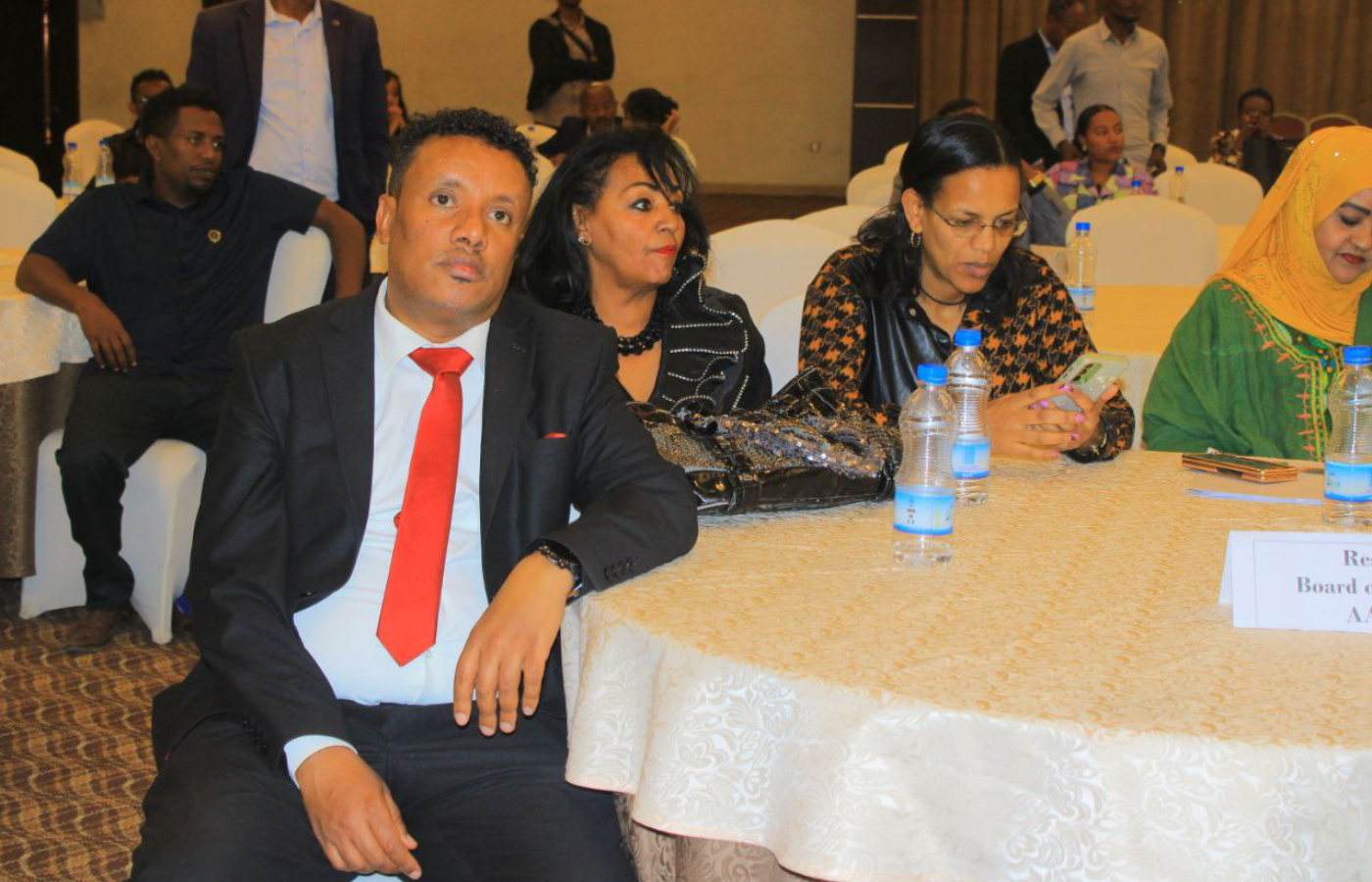
Mohammed Abdurahman, deputy head of the bureau in charge of modernization, outlined the initiative during a panel discussion organised by the Addis Ababa Chamber of Commerce and Sectoral Associations. He said the measures form part of a broader drive to improve operational efficiency and ensure adherence to regulatory standards, though details on individual cases were not disclosed.
Mohammed said the bureau has also been reviewing taxpayer complaints related to tax assessment decisions, with its grievance handling unit reassessing disputed cases. As a result, corrective decisions were issued on 63 percent of tax-related complaints last year, indicating persistent weaknesses in audit quality.
“The number is unacceptably high and reflects clear weaknesses in audit quality,” he said, adding that the bureau is working to bring the rate down to 58 percent.
He recalled that the bureau has also recently rolled out 280 body-worn cameras to monitor field staff starting this month, with live audio and video transmitted to central and branch offices.
“The primary purpose of the body-worn cameras is to strengthen staff oversight,” he said. “Restoring trust with taxpayers is a central objective.”
The bureau overhauled its internal policies after identifying structural challenges, including weaknesses in governance, gaps in human resource management, and shortcomings in the use of technology that had constrained oversight, service delivery, and internal controls. Officials said the reforms mark the bureau’s first comprehensive overhaul since its establishment in 2019.
The internal review found that the bureau lacked systems, technological capacity, and human resources aligned with the scale and expectations of its taxpayers, shortcomings that officials said had contributed to persistent governance problems. The bureau said it did not have a human resource development policy for its roughly 7,000 employees, while administrative systems were described as largely traditional and outdated.
Officials also said the review uncovered entrenched malpractice linked to interactions with taxpayers, alongside inconsistencies in the application of audit standards that had eroded trust between taxpayers and auditors. Mohammed said operational flaws in audit selection criteria had allowed some taxpayers to be repeatedly assigned to the same auditors.
The bureau said service delivery systems remained largely manual and inefficient, a factor it said had contributed to taxpayer dissatisfaction.
In response, the bureau rolled out up to 24 procedures to address taxpayer complaints related to tax assessment decisions. Officials said it has also taken steps to bring informal businesses into the formal tax system as part of efforts to expand the tax base. Digital services, including e-filing and e-payment platforms, have also been rolled out.
The bureau’s revenue grew sharply from 33.4 billion birr in 2018 to 230 billion birr in the fiscal year ended June 2025. In the first five months of the current fiscal year, it collected 144 billion birr of its 350 billion birr annual plan. Capital project reinvestment from tax collections increased from 47 percent in 2020 to 63 percent in the last fiscal year and currently stands at 71 percent.




