

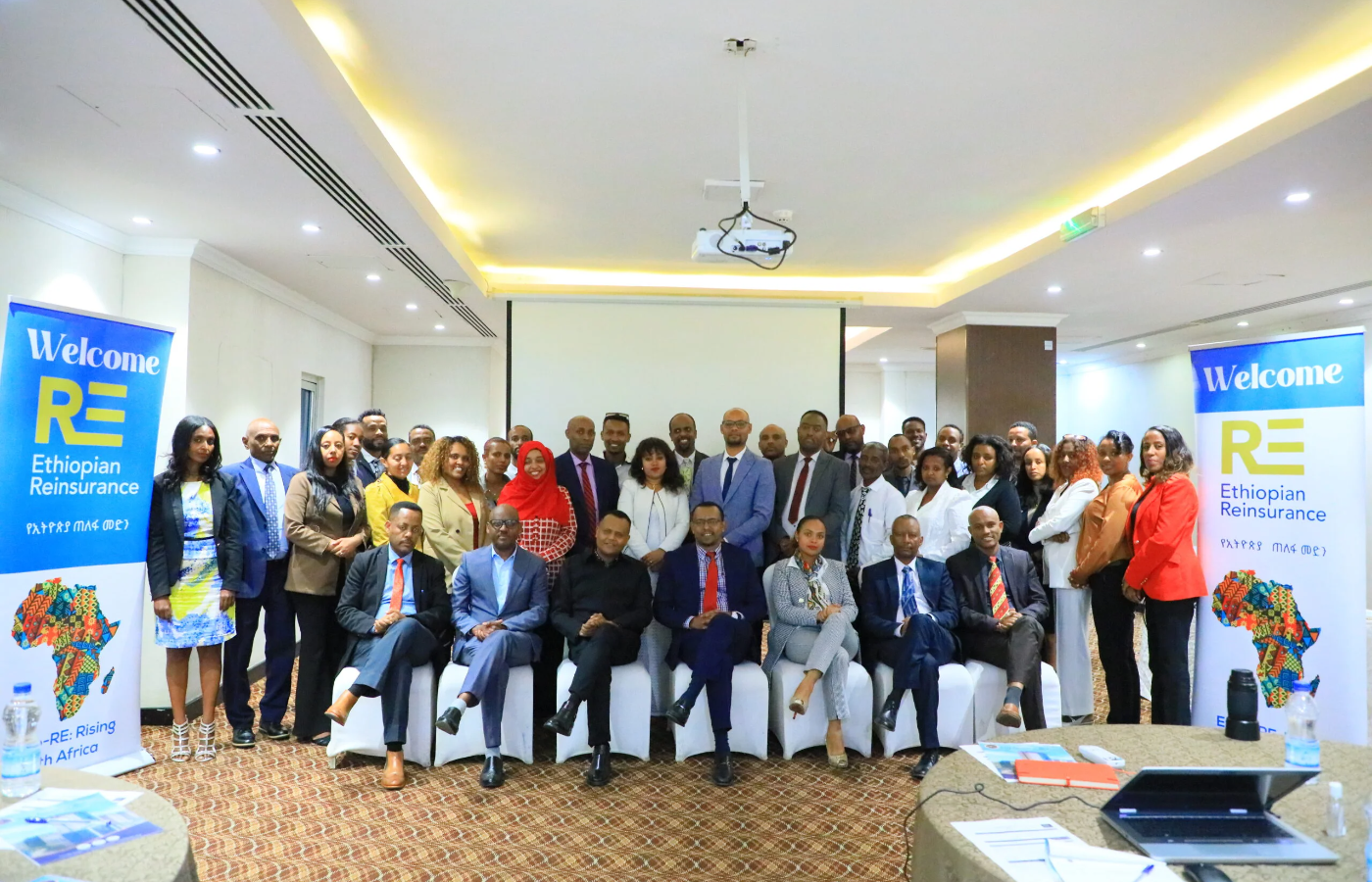
Ethiopia Reinsurance S.C. increased reinsurance revenue to 2.96 billion birr in the 2024/25 Ethiopian fiscal year, lifting profit before tax by 45.3 to 616.7 million birr, as higher premium retention, investment income and underwriting discipline offset rising claims and global reinsurance pressures.
Ethiopia Re said the milestone came amid a difficult global reinsurance environment marked by higher pricing, tighter capacity and increased catastrophe-related losses.
The reinsurer’s reinsurance service result more than doubled to 300.8 million birr, marking a 95 percent increase or 146.6 million birr higher than the previous period. The growth was driven by improved risk selection, revised treaty structures, and tighter cost controls. Management said recalibrating retention levels and diversifying the portfolio helped stabilise performance despite inflation-driven claims growth in the domestic market.
Investment income rose twenty eight percent to 406.2 million birr, up 28 percent or 88.5 million birr from the previous year. The company’s investment returns were primarily driven by 302.8 million birr from treasury bills and government bonds, with an additional 103.4 million birr generated from dividends and other sources.
On the balance sheet, total assets grew eleven percent to 5.22 billion birr, while shareholders’ equity strengthened in line with higher retained earnings. Ethiopia Re said its capital position remains above regulatory requirements, allowing it to maintain underwriting capacity and meet solvency standards.
The company also reported progress on operational and strategic priorities outlined at the start of the fiscal year, including gradual expansion of regional reinsurance placements, improvements in risk management systems and continued investment in staff training and digitalisation of core operations.
Ethiopia Re’s board has proposed a dividend payout of 495 million birr, equivalent to 26.19 birr per share, subject to approval at the annual general meeting. The company said it expects competitive pressures and global risk volatility to persist in the coming fiscal year, with performance dependent on claims trends, investment yields and the pace of growth in Ethiopia’s insurance sector.




