

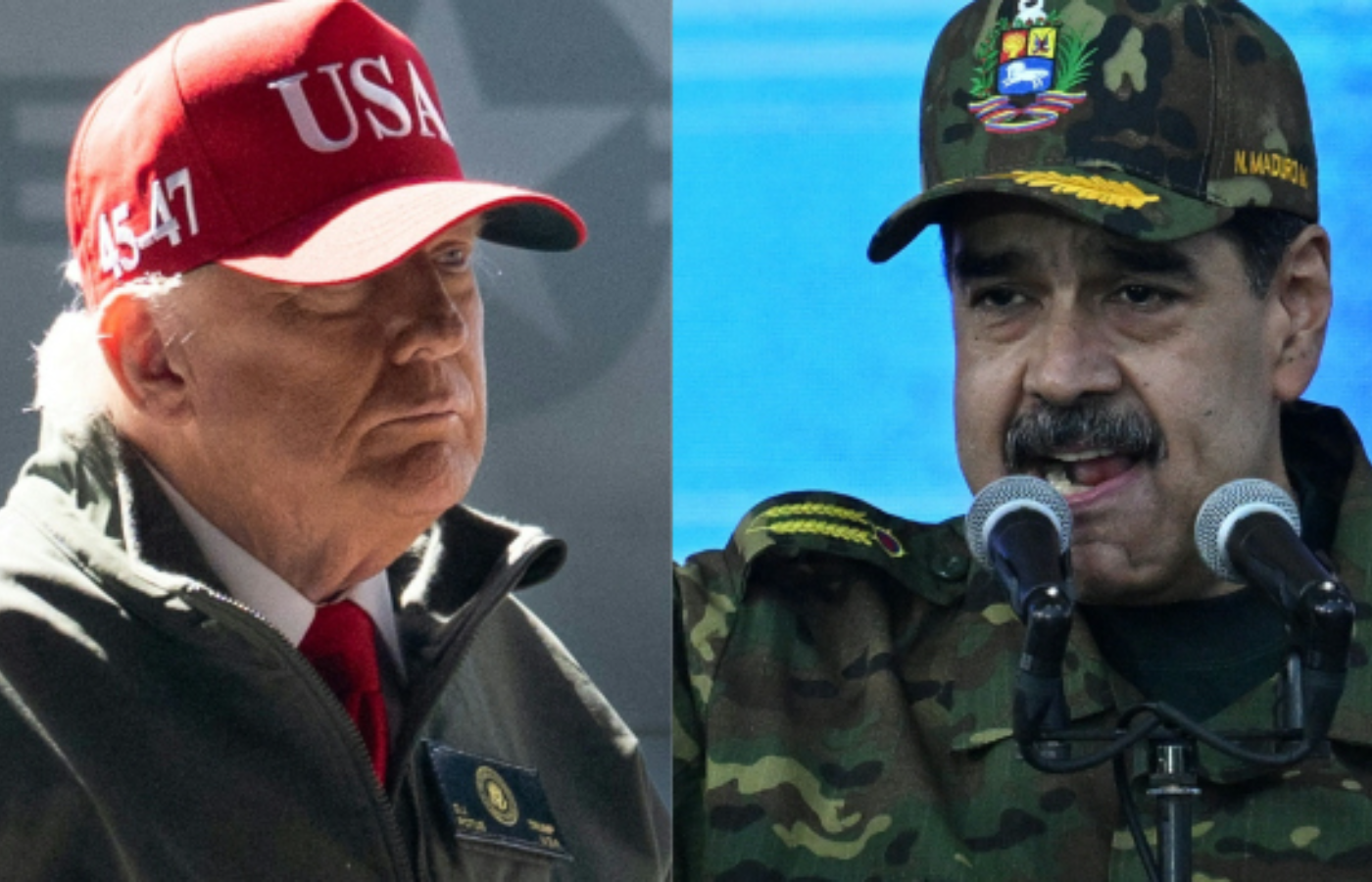
The African Union has urged restraint and dialogue after reports of a US military operation in Venezuela that allegedly resulted in the removal and detention of President Nicolás Maduro, raising fresh questions over sovereignty and regional stability.
In a statement, the AU said it was following developments in the Bolivarian Republic “with grave concern”, citing reports of attacks on state institutions and the reported detention of the country’s president. It reaffirmed its commitment to international law, including respect for state sovereignty, territorial integrity and the right of peoples to self-determination, as set out in the United Nations Charter.
The comments come after US officials said American forces had carried out a targeted operation in Caracas, detaining Mr Maduro and transferring him to the United States to face federal charges related to narco-terrorism and drug trafficking. The allegations stem from indictments first announced by US prosecutors in 2020 and expanded in a newly unsealed filing. The operation and its legal basis could not be independently verified.
Venezuela’s institutions offered a sharply different response. The Supreme Tribunal of Justice declared that Maduro was subject to a “forced absence” and moved to install Vice-President Delcy Rodríguez as acting president, while condemning what it described as foreign aggression. Senior military leaders, long central to the durability of the governing system, have yet to make a definitive public statement.
Opposition figures, who reject the outcome of the disputed 2024 presidential election, said the developments marked an opening for political transition. Some called for Edmundo González Urrutia, widely viewed by the opposition as the legitimate election winner, to assume office. Demonstrations both welcoming and denouncing the reported US action were seen in Caracas and among Venezuelan communities abroad.
The AU said Venezuela’s long-running political crisis could only be resolved through inclusive dialogue among Venezuelans themselves. It called on all parties to exercise responsibility and avoid steps that could escalate tensions or undermine regional peace.
Venezuela has faced more than a decade of economic contraction, sanctions and political confrontation, driving millions to leave the country. The latest events add to uncertainty over governance and the balance of power, as regional organisations and foreign governments weigh their responses to a rapidly evolving situation.




