

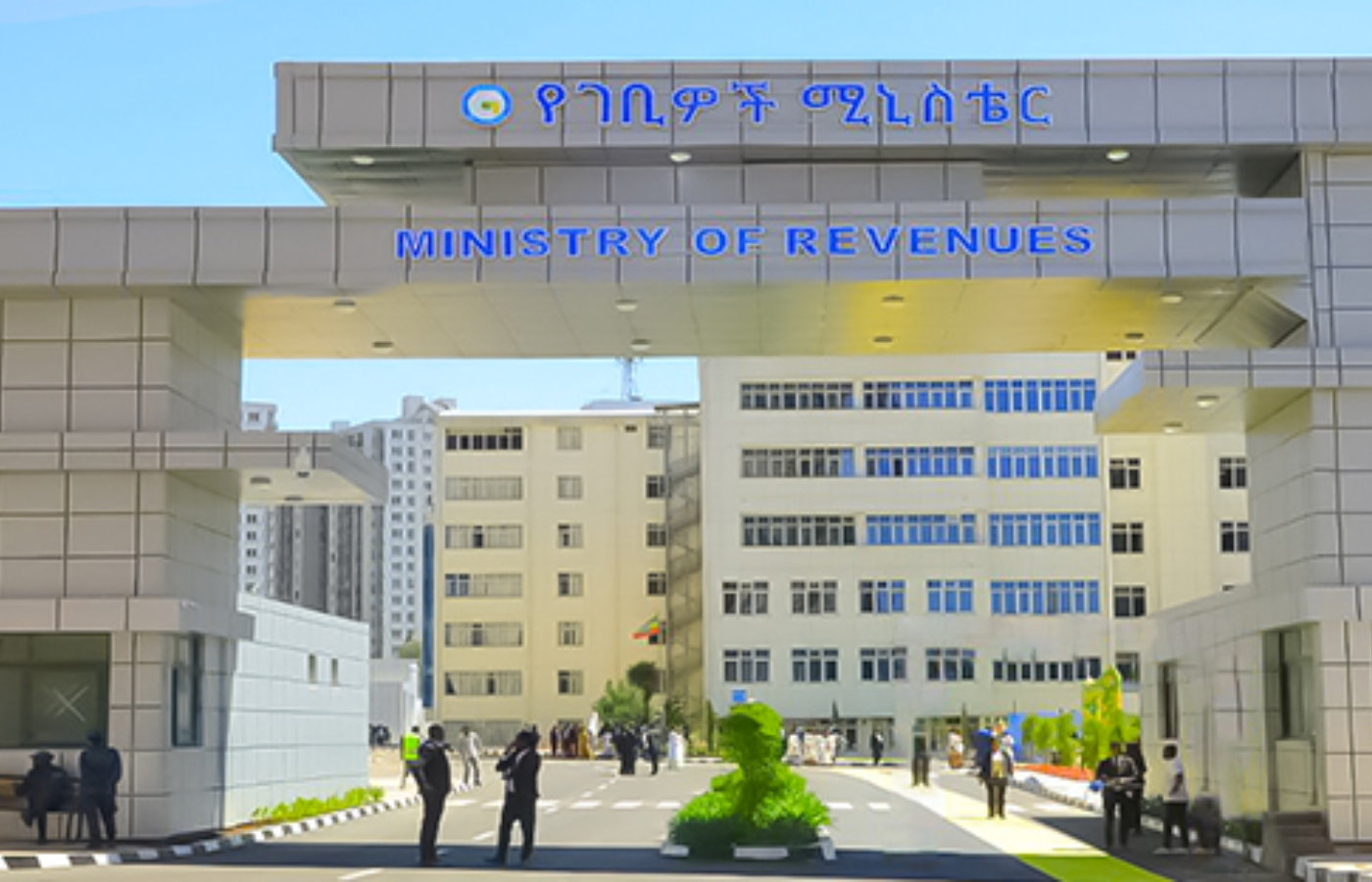
Manual sales receipts without an authorised QR code will no longer be recognised for tax purposes from January 8, the Ministry of Revenues confirmed, signalling a tightening of compliance requirements.
The ministry previously signed a memorandum of understanding with Berhanena Selam Printing Enterprise, the state-owned press, designating it as the sole authorised printer of official QR-coded receipts. The arrangement is intended to standardise security features and ensure that all receipts can be digitally verified within the tax administration system.
Hand written receipts without QR codes will be withdrawn from circulation, and only manually printed receipts bearing an official QR code will be valid for transaction reporting. The QR-coded receipt system, introduced in December last year, aims to strengthen oversight, improve transaction tracking, and reduce opportunities for tax evasion.
Taxpayers who have applied for printed QR-coded receipts but have yet to collect them were instructed to do so at their local tax offices or branch offices. Businesses holding unused older receipts must return them to tax centres and obtain clearance documentation.
The ministry cautioned that legal measures will be enforced against any taxpayer continuing to issue non-compliant receipts beyond the deadline.
The directive forms part of broader reforms to the tax administration framework, including updated invoicing requirements and enhanced compliance procedures. While the sole-printer policy is expected to centralise production, reports have highlighted potential logistical challenges for businesses if demand exceeds the printing press’s capacity.




