Skip to content

November, 2026

Birr Metrics
Birr Metrics
  • News
  • Feature
  • Insights
  • Interview
  • Startups
  • Editorial
  • Digital Magazine
Search
Birr Metrics
Birr Metrics
  • News
  • Feature
  • Insights
  • Interview
  • Startups
  • Editorial
  • Digital Magazine
Amanuel Kindeya
Loading...
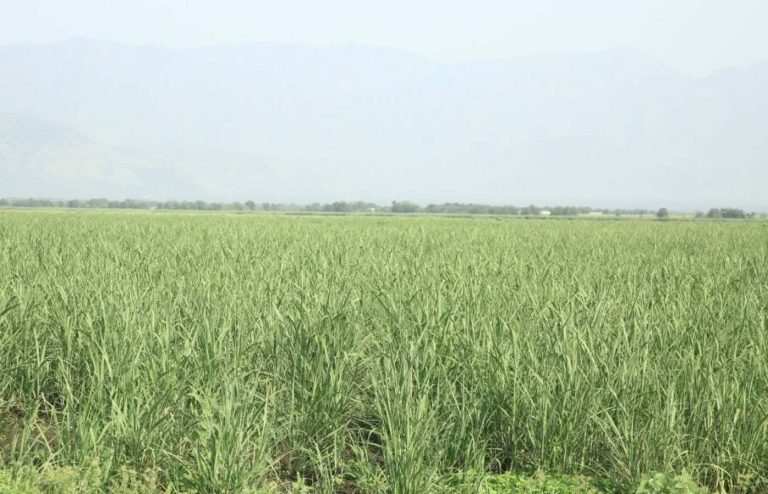
Metehara Sugar Factory

Metehara’s Near-Doubling Would Lift Output to Just 40% of Capacity

The factory plans to crush 5,353,360 quintals of cane and produce 519,270 quintals of sugar in 2026/27, a 94 percent increase on last season that would still leave most of...
Read More
Central Bank Joins Global Islamic Climate Finance Alliance

Central Bank Joins Global Islamic Climate Finance Alliance as It Prepares to Host COP32

The National Bank of Ethiopia has become a Founding Affiliate of the Global Islamic Climate Finance Alliance, building on a domestic interest-free finance base of over 379 billion birr and...
Read More
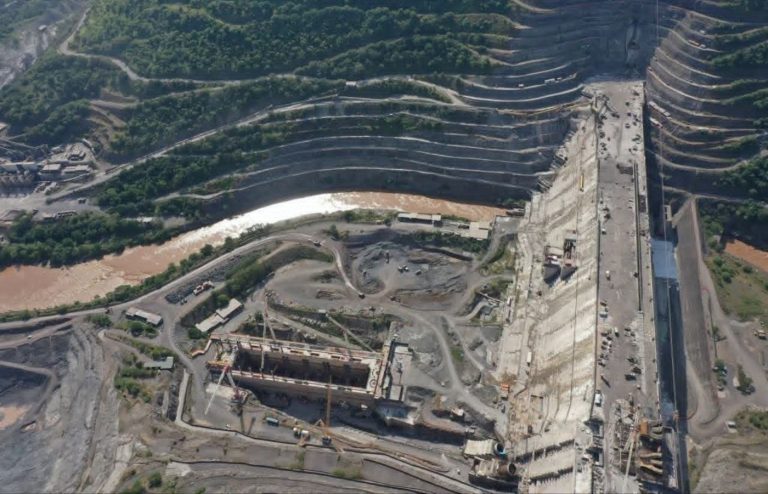
Koysha Dam Still Faces €500 Million Financing Requirement

Koysha Dam Still Faces €500 Million Financing Requirement as Construction Reaches 78 Percent

EEP seeks 400 million euros from Italian lenders and plans to cover the remaining 100 million euros internally Ethiopian Electric Power (EEP) has reported that construction of the Koysha Hydropower...
Read More
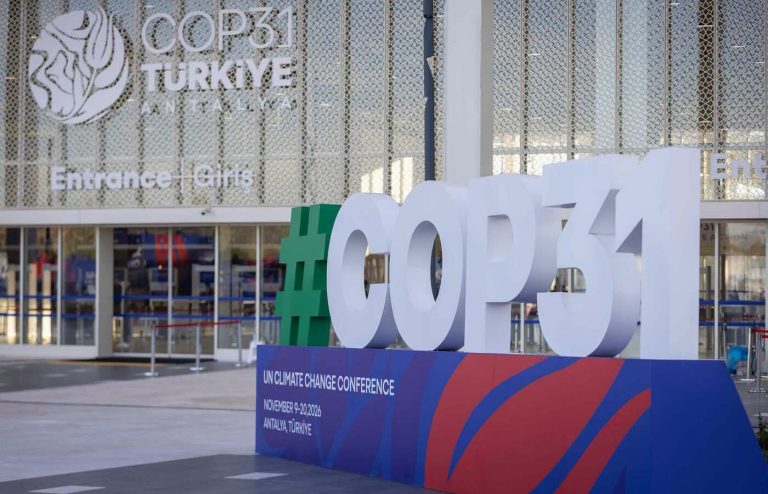
Antalya

Ethiopia, China and Türkiye Launch International Carbon Credit Initiative at COP31

New cooperation platform seeks to expand carbon trading as Ethiopia builds its regulatory framework and prepares to host COP32 Ethiopia has joined China and Türkiye in launching an international initiative...
Read More
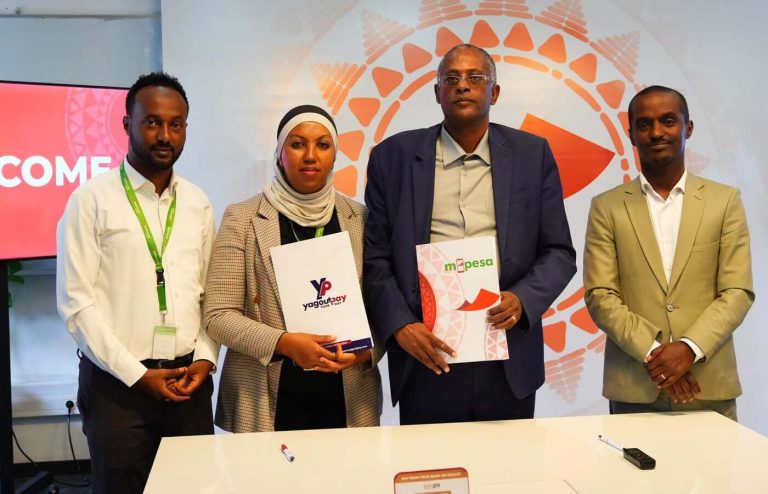
M-PESA Ethiopia, YagoutPay

M-PESA Ethiopia, YagoutPay Sign Soundbox Deal to Speed Merchant Payments

Audio alerts aim to cut payment-confirmation delays at more than 50,000 merchant outlets M-PESA Ethiopia will deploy audio-based payment confirmation devices for its merchants under an agreement with Yagout Pay...
Read More
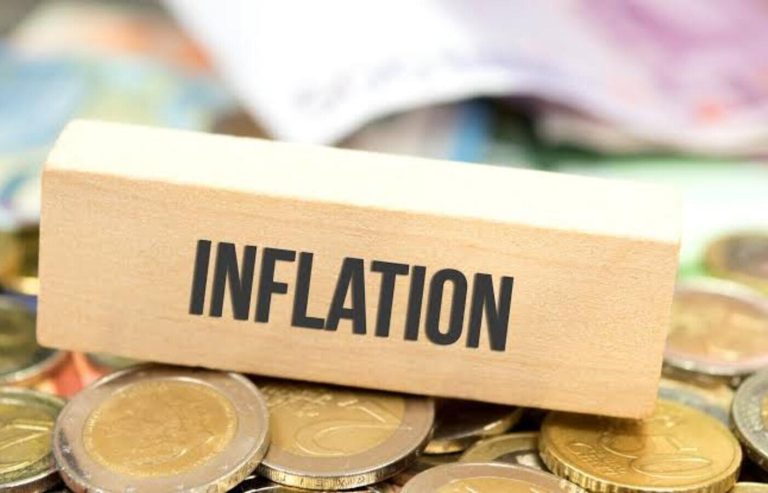
Ethiopia Must Cap Money Growth to Tame Inflation, EEA Warns

Ethiopia Must Cap Money Growth to Tame Inflation, EEA Warns

A new outlook from the Ethiopian Economics Association (EEA) projects slower inflation under stable monetary conditions but warns that excess money growth could keep price pressures elevated through 2030. Ethiopia’s...
Read More

Ministry of Revenues Imposes Income Tax on Digital Content Creators Earning Above 50,000 Birr

Quarterly platform reporting and forensic bank audits accompany the new threshold as authorities seek to bring the digital economy into the formal tax system Digital content creators earning more than...
Read More
Ethiopian Airlines Boeing Freighters Order signing ceremony at the airline headquarters in Addis Ababa

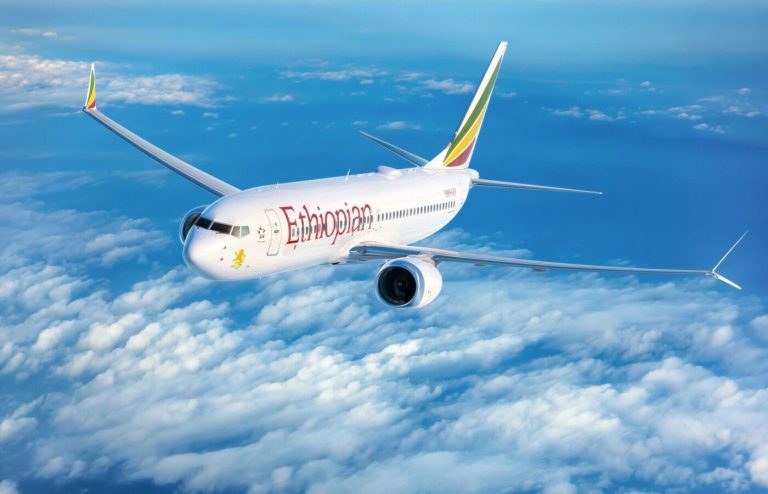
Ethiopian Airlines, Air Peace sign interline deal to expand African connectivity

Commercial pact allows single-ticket bookings and through-checked baggage, but leaves schedules, fares and market access unchanged Ethiopian Airlines and Nigeria’s Air Peace have signed a bilateral interline agreement allowing each...
Read More
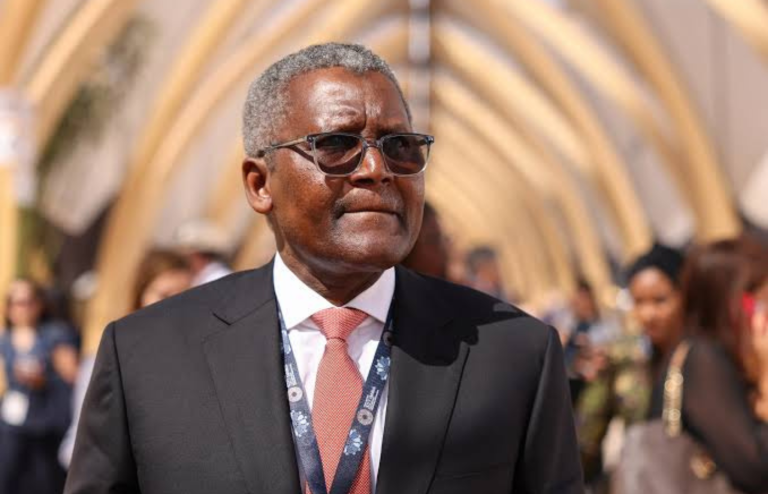
*Dangote Cement’s Expansion to Test Cash Allocation After 41.5 Percent Profit Growth* _Capital commitments of 2.31 trillion naira put investment spending and shareholder returns in focus, even as stronger cash generation improves the balance sheet_ By Amanuel Kindeya Dangote Cement Plc’s expanding investment commitments will test its ability to sustain strong shareholder payouts while financing new production capacity, despite a 41.5 percent increase in pre-tax profit in the first nine months of 2026. The company reported pre-tax earnings of 1.47 trillion naira, up from 1.04 trillion naira a year earlier. Profit after tax increased 31.2 percent to 974.79 billion naira, while earnings per share rose to 58.37 naira from 43.82 naira. The results show a business generating stronger earnings and cash, but also taking on a larger investment pipeline. Capital commitments reached 2.31 trillion naira at the end of September, more than double the 1.12 trillion naira recorded at December 2025. Those commitments should not be treated as expenditure falling due immediately. Their implications for liquidity depend on construction schedules, contractual payment terms and the pace at which new plants begin generating revenue. Nevertheless, their scale makes capital allocation increasingly important. Dangote plans to increase annual production capacity from 55 million tonnes to 80 million tonnes by 2030, an expansion of about 45 percent. Its September capital markets presentation identified projects in Nigeria, Ethiopia, Cameroon, Senegal and Zimbabwe, combining new plants with additions to existing facilities. The Ethiopian programme includes a second production line and a satellite grinding unit intended to double capacity to five million tonnes annually. The strategy offers an opportunity to serve growing construction markets and spread investment across several countries. Its financial success, however, will depend on how quickly additional capacity translates into profitable sales. Installed capacity alone does not guarantee demand, particularly where construction activity faces expensive credit or pressure on household purchasing power. Stronger cash generation provides substantial support. Operating cash flow increased 41.5 percent to 1.83 trillion naira during the nine-month period, while dividend payments totalled 753.85 billion naira. Management reported free cash flow of 1.26 trillion naira after deducting capital expenditure, covering dividends approximately 1.7 times. It also reported a net cash position of 51.1 billion naira, compared with net debt of 682.9 billion naira at the end of 2025, using a definition that includes related-party borrowings and bank overdrafts. These figures indicate that the expansion programme begins from an improving financial position. The financing picture is more nuanced than gross debt repayments suggest. Although Dangote repaid 992.65 billion naira in loans, it also obtained 467.69 billion naira in new borrowing, leaving net loan repayments of approximately 525 billion naira. Supplier financing also supported investment. The cash-flow statement records property, plant and equipment additions of 566.72 billion naira, but cash acquisition payments of 301.70 billion naira, alongside 268.71 billion naira in unpaid supplier credit. Such arrangements spread payments over time, easing immediate cash requirements while creating obligations that future cash generation must meet. Short-term liquidity therefore remains an area to watch. Current liabilities of 2.75 trillion naira exceeded current assets of 1.97 trillion naira, producing a current ratio of approximately 0.72 times and a working-capital deficit of about 780 billion naira. A ratio below one does not, by itself, establish financial distress. A company collecting cash quickly while paying suppliers later can operate with negative working capital. The vulnerability emerges if collections weaken, suppliers demand earlier payment or investment outflows accelerate. The quality and durability of earnings growth will also matter. Revenue increased 19.6 percent to 3.77 trillion naira, while operating profit rose 27.8 percent to 1.57 trillion naira. Gross margin widened to 63.2 percent from 59.2 percent, showing that the improvement extended beyond financing costs. However, a 57.8 percent decline in finance costs to 120.80 billion naira provided a significant additional boost to pre-tax earnings. Lower borrowing costs strengthen the company’s capacity to invest, but an equally large reduction cannot be assumed to recur. Sustaining profit growth will increasingly require stronger sales and continued control of production and distribution expenses. Ethiopia illustrates the operational demands accompanying the expansion. Dangote’s September presentation put the planned investment in its second production line and grinding unit at 380 million US dollars. For that expenditure to deliver the intended returns, raw-material supplies, energy availability, logistics and construction schedules will need to support higher output. The company’s past difficulties in Ethiopia provide relevant background, but should not be presented as a new shutdown threat. Reports that Dangote might close its plant over an Oromia directive to outsource pumice, sand and clay mining to youth groups date to June 2017. Those reports also described a suspended advance payment for an earlier expansion proposal; they do not establish that the same dispute is active in October 2026. Dangote Cement’s shares closed at 1,341.90 naira on October 27, gaining 9.8 percent on the day and bringing the year-to-date increase to approximately 120 percent. The rally signals strong investor confidence, although price movements alone cannot establish how fully future earnings have been reflected in the valuation.

Dangote Cement Suspends Planned London Listing and $1-Bln Share Sale Amid Market Volatility

Board decision on November 10 puts planned LSE listing and share sale on hold; NGX listing remains intact Dangote Cement Plc has suspended its planned secondary listing and share offering...
Read More

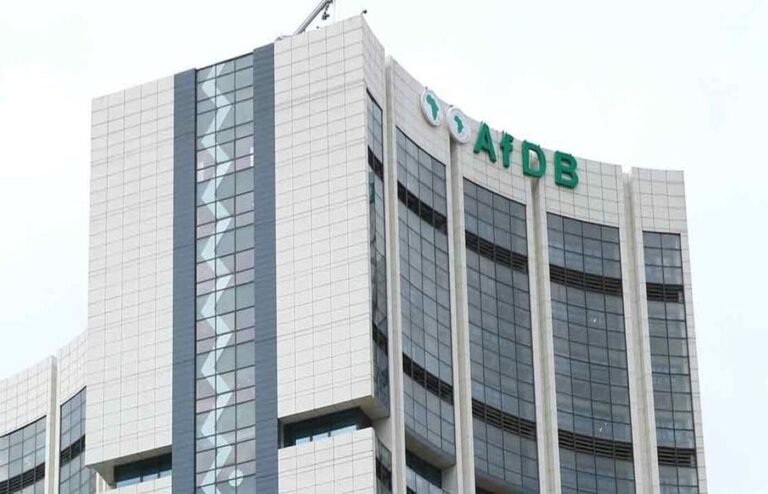
AfDB Grants TDB $200 Mln to Narrow Africa’s Trade Finance Gap

The 3.5-year revolving credit line is expected to catalyse more than 1 billion US dollars in trade transactions and ease liquidity constraints for SMEs across the continent. The African Development...
Read More
« Previous 1 2 3 4 … 30 Next »
Menu
  • News
  • Feature
  • Insights
  • Interview
  • Startups
  • Editorial
  • About us
  • Digital Magazine
  • Privacy Policy

hello@birrmetrics.com

Copyright © 2026 Birr Metrics | All Rights Reserved

Designed By Collab Systems

Scroll to Top