

Ethiopia’s small and medium-sized enterprises (SMEs) are confronting a 4.2 billion US dollars financing shortfall, a newly released landscape study has found, highlighting a growing credit accessibility crisis across the country. The report points to exclusionary lending practices by financial institutions and gaps in governmental frameworks as significant barriers preventing SMEs from accessing the capital necessary to scale operations and compete effectively.
The new study, produced jointly by ACE Investment Advisory and the Global Steering Group for Impact Investment (GSG Impact), paints a stark picture for Ethiopia’s entrepreneurial sector. According to the research, around 2.2 million SMEs, particularly those led by women and youth, remain critically underfunded despite exhibiting strong growth potential. The study calls for urgent remedial measures to bridge the widening gap between enterprise potential and available capital.
Nasreen Mohamedamin, Chief Executive Officer of ACE Investment and Impact Advisory, described the situation as a “critical bottleneck” that threatens the country’s startup ecosystem. “The constrained credit supply and its associated challenges have not only narrowed Ethiopia’s startup landscape but have also significantly diminished its competitive edge,” she said.
She outlined that the current assessment represents an initial diagnostic phase. “We have now conducted a comprehensive mapping of the startup ecosystem. Moving forward, we are strategizing a national-level transformation. To this end, a consultative task force comprising representatives from both the public and private sectors is currently being formed,” she explained.
The report comes at a time of heightened scrutiny over the implementation of existing policies aimed at supporting SMEs. While the Ethiopian parliament has recently approved a proclamation intended to bolster startups, youth-led enterprises, women entrepreneurs, and other underserved businesses, sources indicate that enforcement remains limited. Moreover, questions persist over whether a pledged 2 billion birr budgetary allocation for startups has effectively reached the intended beneficiaries, highlighting a disconnect between policy intent and practical execution.
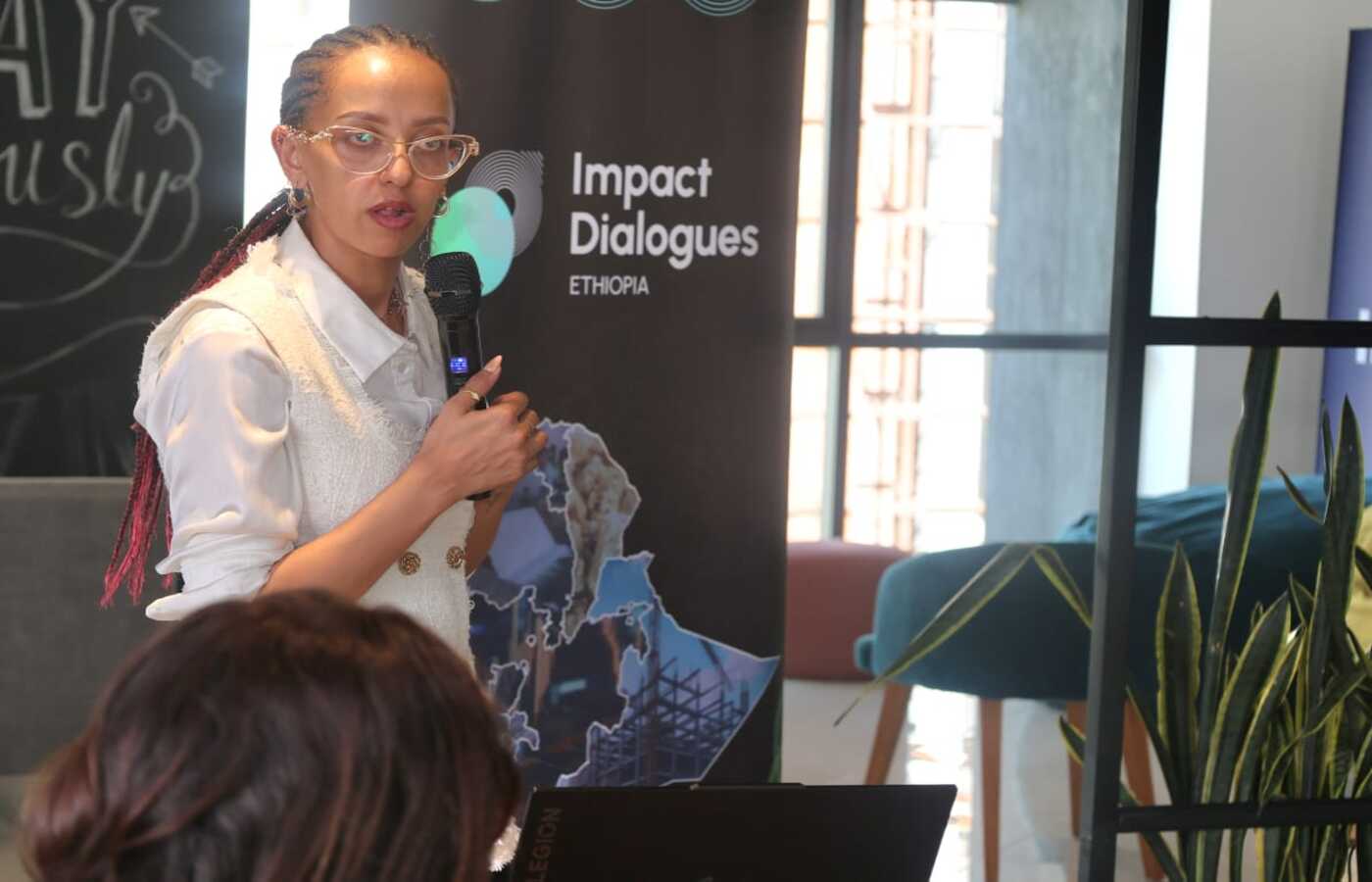
During the report’s launch workshop, stakeholders stressed that developing a robust impact investment ecosystem requires sustained collaboration across sectors, strong regulatory support, and access to credible, empirical data. Participants noted that only through these mechanisms can capital flow more efficiently to enterprises capable of driving inclusive economic growth.
Despite the challenges, a cautious optimism emerged among participants. Several highlighted that Ethiopia is beginning to establish the institutional and structural foundations necessary to direct investment toward more inclusive and sustainable growth, signaling potential for the country’s SMEs to play a more decisive role in the national economy in the years ahead.




