

Ethiopia expects to move closer to a lower debt risk category within the next year as its debt restructuring efforts and fiscal reforms begin to ease pressure on public finances, Governor Eyob Tekalign (PhD) said.
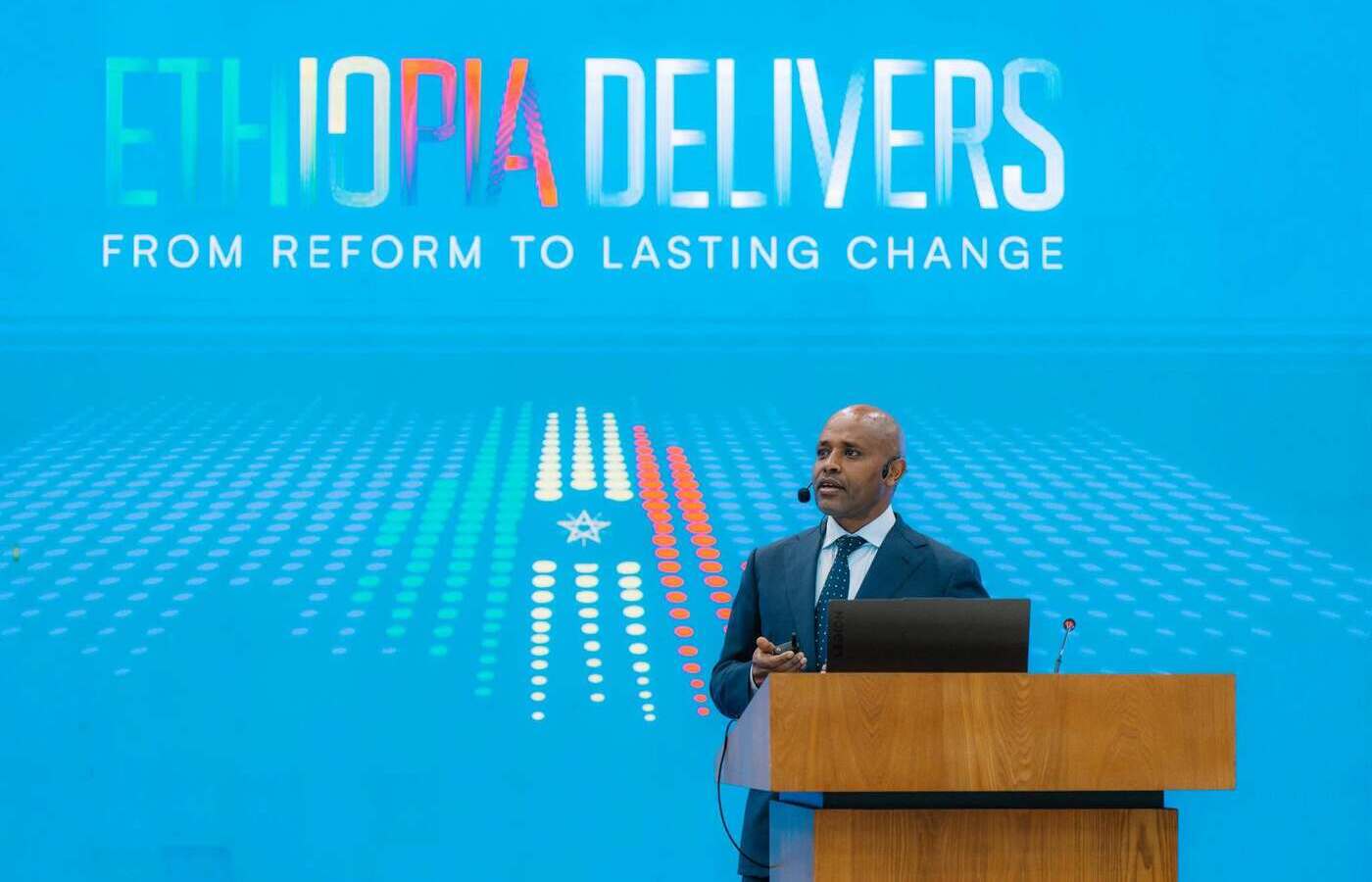
Speaking at the Ethiopia Delivers Summit held last week under the theme “From Reform to Lasting Change”, Eyob said the country’s macroeconomic reform programme had restored debt sustainability and placed Ethiopia within reach of a medium-to-low debt risk position.
“Medium to low debt risk distress is within reach the next year or so,” Eyob said, referring to progress from debt restructuring, fiscal discipline and reforms aimed at stabilising the economy.
The debt outlook has improved after Ethiopia entered a restructuring process under the G20 Common Framework. The government has concluded agreements with its official bilateral creditors that provide debt relief and extend repayment terms, helping ease near-term financing pressures and restore debt sustainability.
However, negotiations with holders of Ethiopia’s defaulted Eurobond remain unresolved. The country has been seeking to restructure its commercial debt after defaulting on the bond in late 2023, with discussions continuing over the terms of a final agreement.
The country is also implementing a four-year IMF-supported programme designed to address foreign exchange shortages, inflation pressures, fiscal imbalances and external financing constraints. The programme has included measures to strengthen revenue collection, improve monetary policy and reform the exchange rate regime.
Eyob said Ethiopia’s debt challenge was partly the result of years of fiscal pressures and external vulnerabilities, including rising borrowing needs and foreign exchange shortages.
He said the government had avoided external commercial borrowing for eight years while focusing on restructuring obligations and strengthening fiscal management.
“Not a single dollar” of external commercial borrowing had been taken during the period, Eyob said.
The governor said fiscal reforms had improved Ethiopia’s ability to manage its finances. Government revenue increased eightfold from about 235 billion birr to 1.83 trillion birr, while the tax-to-GDP ratio improved by 3.3 percentage points, according to his presentation.
The primary budget deficit also narrowed from 2.5 percent of GDP to 0.4 percent in the 2024/25 fiscal year, he said.
Ethiopia’s improved debt position follows a wider shift in economic policy, with the government moving away from administrative controls towards market-based mechanisms, including a new foreign exchange regime and changes to monetary policy.
Eyob said the reforms had also supported export growth, with exports increasing from 3 billion US dollars in 2017/18 to 8.33 billion US dollars in the previous fiscal year. Ethiopia expects exports to reach about 11 billion US dollars this year, he said.
The governor said stronger debt sustainability would help Ethiopia improve its investment profile as the government seeks to attract foreign capital and expand private sector participation. Completing the remaining commercial debt restructuring is also expected to improve investor confidence and support Ethiopia’s eventual return to international capital markets.
Financial sector reforms, including capital market development and plans to open the banking industry to foreign investors, are part of efforts to deepen financing options and increase competition, he said.
But Eyob cautioned that maintaining the gains would depend on implementation capacity, institutional strength and the ability to withstand future external shocks.
“The Ethiopia we envision and are working very hard to build is a diversified and resilient economy characterised by rising incomes and expanding opportunity,” he said.




