


The Vision from Ethiopia
By Yared Seyoum
In the heart of Ethiopia's capital, where ancient traditions meet rapid digitalization, two entrepreneurs are quietly building what could become Africa's most transformative fintech platform. Their mission? To fundamentally reshape how a continent manages its money.
"Everyone talks about financial inclusion in Africa," says Nohe Fekade. "But what happens after you're included? That's the real challenge we're tackling."
Nohe, along with his co-founder Haileyesus Shitalem, launched EPhone in 2021 with a bold vision: creating what they call the "operating system for African money." It's an ambitious goal in a continent where financial systems are as diverse as its 54 countries, but that's exactly what makes their story compelling.
The spark for EPhone came from a shared frustration. Both founders, having worked in technology and entrepreneurship, witnessed firsthand the digital fragmentation plaguing African users. "Imagine having to juggle five different apps just to get through your day," Nohe explains. “One for your main bank, another for mobile money, a third for your telecom services, and so on. It's not just inefficient—it's actively holding people back."
This fragmentation isn't just an inconvenience; it's a significant barrier to financial progress for millions. In many African countries, the digital revolution has created a paradox: while mobile money and digital services have proliferated, the tools to manage these services have remained surprisingly primitive.
What makes EPhone's approach unique is their recognition that Africa's financial challenges require African solutions. While competitors have tried to transplant Western fintech models to African soil, Nohe and his colleague took a different route.
"The traditional playbook for fintech doesn't work here," Nohe explains, his eyes lighting up as he delves into the technical details. "Most financial apps rely on banking APIs to function. But in many African markets, these APIs either don't exist or are highly limited. We had to completely rethink the approach."
This rethinking led to the development of FinTrack, EPhone's flagship product. Instead of waiting for banking infrastructure to catch up, they built systems to leverage alternative data sources, enabling automated financial tracking even in markets where digital banking is in its infancy.
"It's like building a car for roads that don't exist yet," Nohe adds. "You need something that can handle both smooth highways and rough terrain."
FinTrack uses a combination of machine learning algorithms, pattern recognition, and user-provided data to create a comprehensive financial management system that works even in low-connectivity environments.
"We're processing millions of transactions daily," Nohe reveals,
pulling up a dashboard showing real-time user activity. "Each transaction needs to be categorized, analyzed, and turned into actionable insights, all while maintaining privacy and security."
The system's ability to work across different financial systems is particularly impressive. Whether it's mobile money transactions in Kenya, bank transfers in Nigeria, or telecom payments in Ethiopia, FinTrack can integrate and analyze it all.
With hundreds of thousands of downloads and thousands of active users on their premium features, EPhone's growth is promising. But the founders are quick to point out that they're just getting started.
"The global personal finance app market is projected to reach 12 billion US dollars by 2034," Nohe notes, "but that number doesn't tell the whole story. In Africa, we're not just building a financial management tool—we're creating financial infrastructure."
The startup has attracted international angel investors, though it remains pre-revenue as it focuses on building its user base. The monetization strategy revolves around a freemium model, with AI-powered premium features in development.
Building a fintech startup in Africa comes with unique challenges. The lack of standardized financial infrastructure means that expansion into new markets requires significant localization efforts. Payment integration is another hurdle—with platforms like Google Pay and Apple Pay not supporting many local currencies, and international payment cards being scarce.
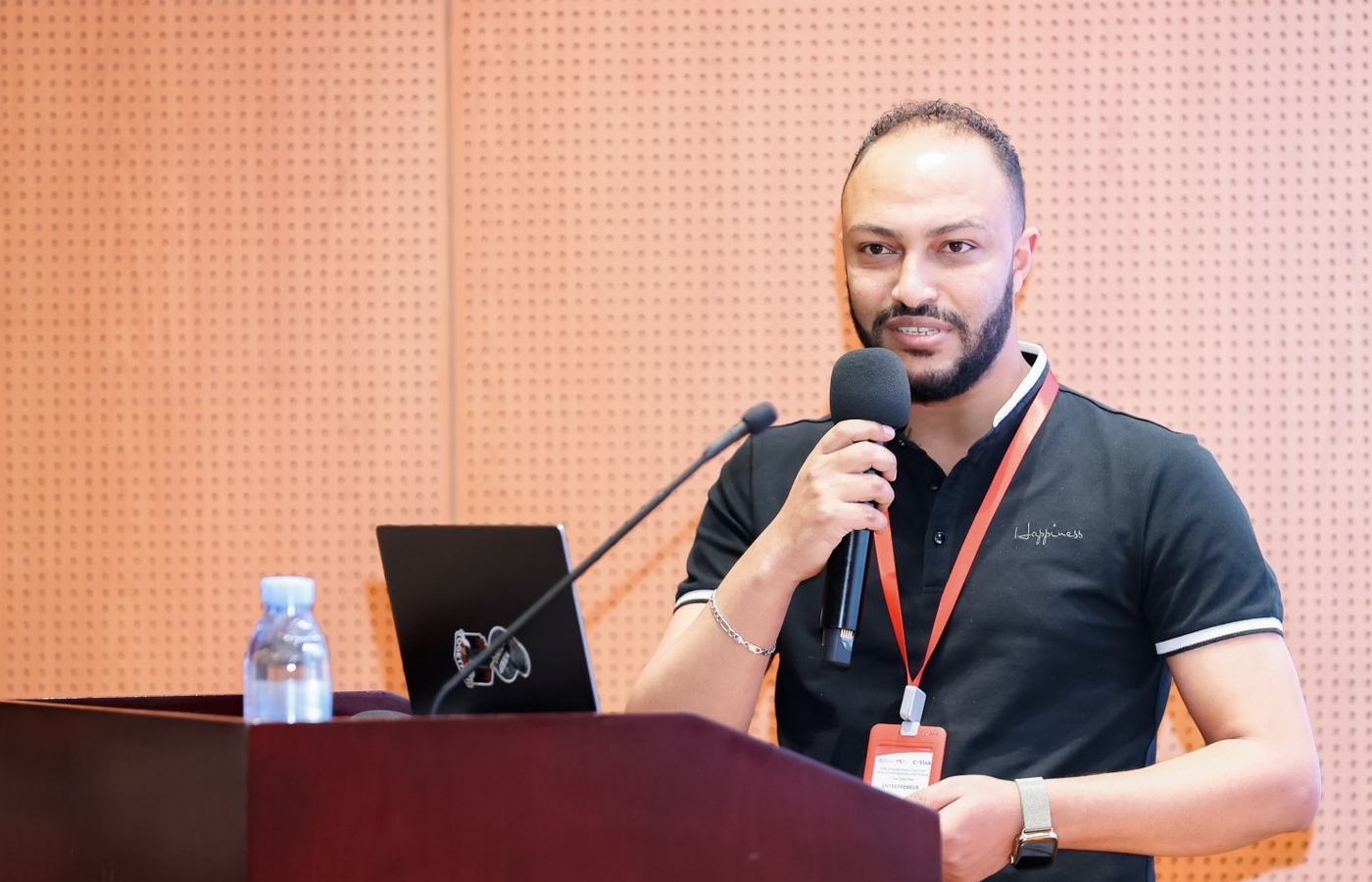
"Every challenge forces us to innovate," Nohe says. "When we couldn't integrate with traditional payment systems, we built our own solutions using mobile money networks. When we faced data connectivity issues, we developed offline capabilities."
The founders have also had to navigate the complexities of building trust in markets where fintech is still a relatively new concept. "In many African countries, people are understandably cautious about financial technology," Fekade explains. "We've had to prove ourselves not just as a technology company, but as a trusted financial partner."
Behind the technical innovations and growth metrics, EPhone's real impact can be seen in the stories of its users. The platform has become a crucial tool for small business owners, helping them track expenses and manage cash flow more effectively.
"We had a small shop owner in Addis who was able to identify and cut unnecessary expenses using FinTrack," Nohe shares.
Looking to the future, EPhone's ambitions extend far beyond personal finance management. The founders envision creating a comprehensive financial ecosystem that could include investment tracking, credit scoring, and even access to capital markets.
"We're building for a future where financial services are as accessible as mobile phones are today," Nohe says. "But we're doing it in a way that respects and adapts to local realities."
The startup plans to expand into multiple African countries over the next five years, with each market presenting its own unique challenges and opportunities. "Every country in Africa has its own financial ecosystem," Nohe explains. "Success requires understanding these nuances and building solutions that work locally while scaling regionally."




