

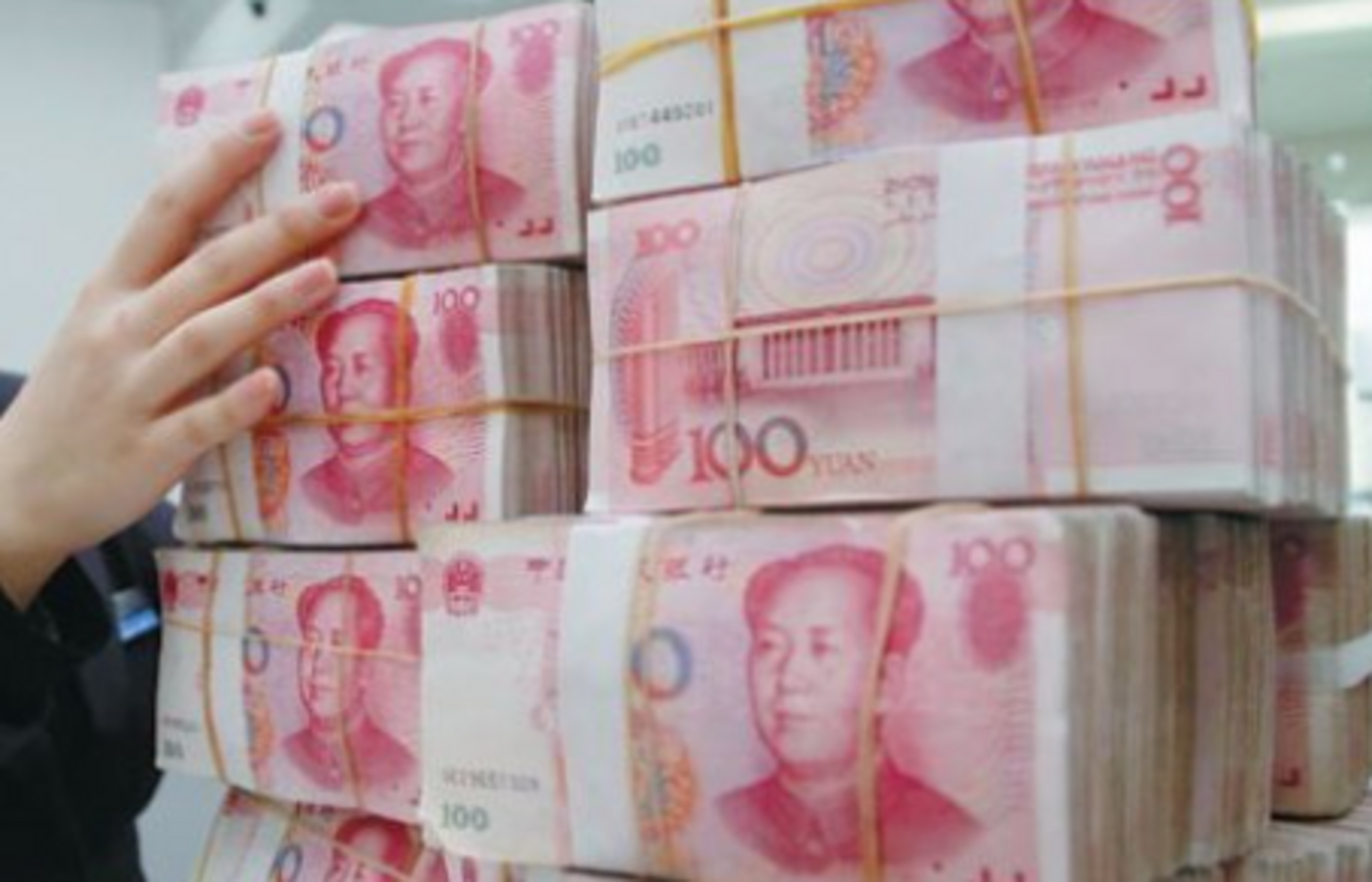
China is strategically utilizing Africa to advance the internationalisation of the yuan, aiming to decrease dependence on the US dollar. Recent agreements between the central banks of China and Egypt signify a pivotal development in this initiative, focusing on enhancing yuan transactions in trade and investment.
During a visit to Egypt, Chinese Premier Li Qiang and Egypt’s central bank officials formalized a series of agreements designed to bolster the yuan's role in economic activities. Measures include currency swaps and the issuance of panda bonds in yuan by foreign entities within Chinese markets. Pan Gongsheng, governor of the People’s Bank of China, described these agreements as crucial for deepening bilateral economic ties.
The collaboration will also extend to electronic payment systems, particularly through the expansion of UnionPay services, enabling easier cross-border transactions in yuan within the China-Egypt TEDA Suez Economic and Trade Cooperation Zone. This will utilize China’s Cross-border Interbank Payment System (CIPS), a mechanism that offers an alternative to the established SWIFT network, enhancing payment capabilities for participating banks.
Egypt joins a cohort of African nations, including South Africa, Nigeria, and Angola, which are increasingly adopting yuan-based trade frameworks. These nations are exploring avenues to integrate the yuan into their financial systems, reflecting a trend towards diversifying currency options in international trade.
This movement aligns with broader geopolitical shifts, as several countries seek to mitigate reliance on the US dollar. As China strengthens its economic engagements in Africa and promotes the yuan’s usage, this development is likely to have significant implications for the future of global financial architecture and trade dynamics.




