

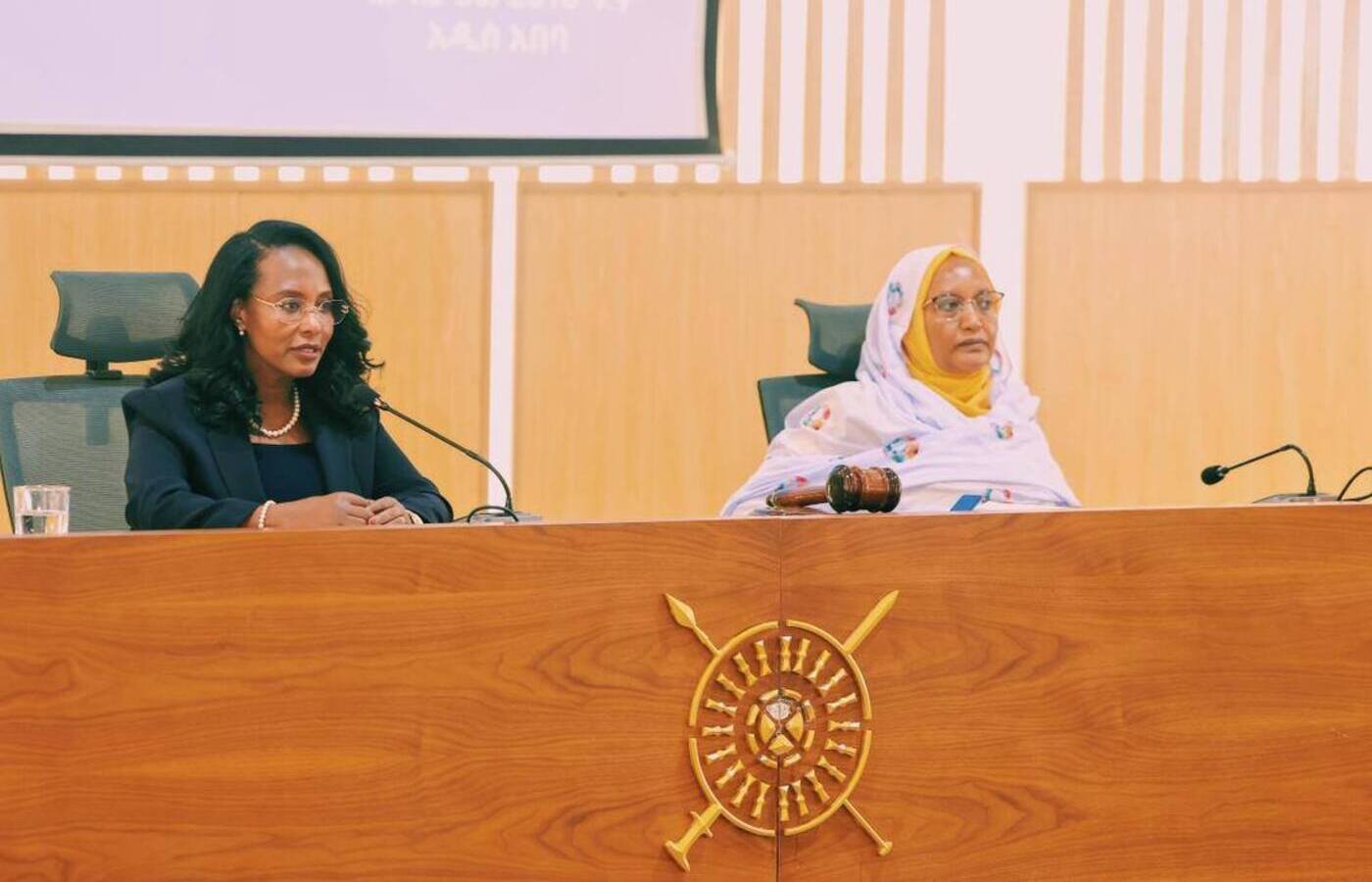
The Addis Ababa City Administration has allocated 18 billion birr in subsidies across multiple sectors as part of a wider policy package aimed at easing rising living cost pressures in the capital, the mayor said during a city council session reviewing annual performance.
Adanech Abiebie, mayor of the administration, told the third regular session of the Addis Ababa City Council’s fifth year term that the subsidy programme forms part of broader measures combining market interventions, infrastructure expansion and social service delivery reforms.
Authorities said the living cost challenge is being addressed through a mix of supply-side and regulatory measures intended to stabilise markets and improve availability of goods. These include strengthening production capacity, promoting substitute products and tightening oversight to reduce market distortions.
The city has also established six market centres along five major entry corridors and organised Sunday markets in different parts of the city to improve access to affordable commodities.
Adanech said that five strategies are being implemented to match housing demand with supply, involving government-funded construction, public-private partnerships, real estate development and individual construction schemes. A total of 105,000 housing units are under construction in the current fiscal year, with 50,000 financed by government budgets and 55,000 delivered through public-private partnerships. Completion levels currently range between 40 percent and 90 percent, with government-built units set to be prioritised for savers once completed.
In health, the city reported progress toward positioning Addis Ababa as a health tourism hub, including the construction of four new hospitals and nine upgraded health centres brought to hospital level. Several existing hospitals have also been modernised with improved technology and expanded bed capacity.
Transport infrastructure expansion was also highlighted, with road development projects increasing coverage from 12.8 percent to 20 percent. The administration said it has introduced segregated lanes for vehicles, bicycles and pedestrians, alongside the construction of parking facilities capable of accommodating 163,000 vehicles.
Urban upgrading efforts, according to the city administration, have reduced deteriorated parts of the city from 74 percent to 30 percent. Waste management systems have been expanded through new and upgraded drainage infrastructure, which officials said has contributed to improved sanitation standards and international recognition.
Electricity expansion projects have extended lighting to previously unlit areas, with officials saying the improvements have reduced exposure to crime and traffic-related risks.
In governance reforms, the city has rolled out the Addis Mesob one-stop digital service platform across six centres, integrating 150 public services. The remaining five centres are expected to become operational soon, aiming to streamline access to government services.
On social development, the administration said it has built more than 5,000 children’s playgrounds and over 1,000 daycare centres. Youth programmes include community sports facilities and specialised training initiatives reaching more than 3,000 young people, alongside ongoing construction of larger stadiums.
The city also reported anti-corruption enforcement actions, saying 420 suspects have been detained over the past nine months, including 40 senior officials and 230 professionals, as well as 150 individuals accused of benefiting from corrupt practices. Officials said accountability measures are being pursued through both administrative and legal channels.




