

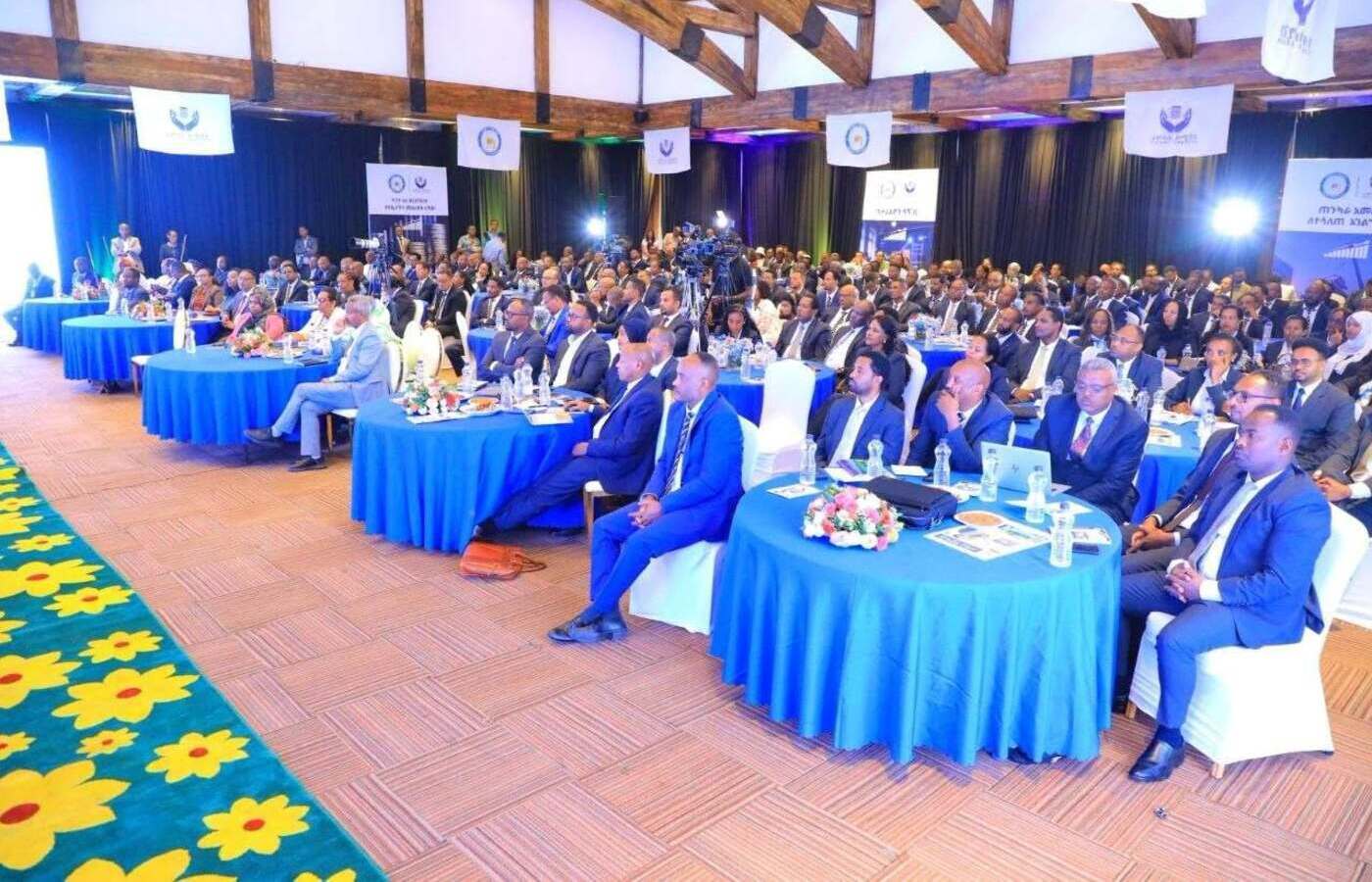
The Addis Ababa City Administration has finalized its five-year strategic development roadmap, setting targets to mobilize 1.5 trillion birr in total revenue and project financing while creating 2.5 million jobs.
The city administration finalised the five-year roadmap during planning and performance-review sessions for the 2019 Ethiopian fiscal year. The programme seeks to broaden the formal tax base, bring more small and medium-sized businesses into the tax system and reduce revenue losses within municipal institutions.
Authorities said tighter fiscal controls, expanded audits and administrative reforms will be used to improve revenue collection and address leakages.
The employment target would build on the 2.2 million jobs the administration says were created during the previous five-year planning period. Youth and women are identified as key beneficiaries, with the city planning to expand access to credit and workspace for micro and small businesses.
Technical and vocational training will also be restructured to match demand in sectors including manufacturing, digital services, urban agriculture and construction.
The strategy follows approval of a 502 billion birr budget for the 2019 fiscal year, with capital spending directed towards public transport, water supply, sanitation and waste-management infrastructure.
The administration also plans to develop Addis Ababa's healthcare infrastructure to support medical tourism. Municipal clinical centres are due to be upgraded, with the city seeking to attract patients from the wider region while reducing the need for residents to seek specialised treatment abroad.
Digitalisation is another component of the plan. The city intends to expand its Mesob single-window service centres from 11 to 20, allowing businesses and residents to access more municipal services through integrated facilities. [https://birrmetrics.com](https://birrmetrics.com)
Officials have also called for closer coordination between agencies overseeing capital projects, particularly on environmental protection, wastewater management and urban development.
Private capital is expected to play a significant role in financing the programme. The administration said 1.3 trillion birr was mobilised through private investment and co-financing arrangements during the previous five-year period for major urban projects.
The city plans to expand such public-private partnerships to support infrastructure development while directing more public funds towards social services, subsidised housing and community programmes.
Addressing city council members and cabinet officials during the closing session, Mayor Adanech Abiebie emphasized that the upcoming five-year cycle will build directly on recent capital expenditure momentum.
"Our ongoing journey to make Addis Ababa a symbol of prosperity will continue with greater momentum," Mayor Adanech stated during the strategic session. "Urban renewal, corridor developments, and riverside restoration projects will remain core execution priorities over the next five years."
Highlighting private capital mobilization under preceding budgets, the mayor noted: "Addis Ababa attracted more than 1.3 trillion birr in capital investment over the past five years across manufacturing, technology, tourism, and public-private partnership arrangements."




