

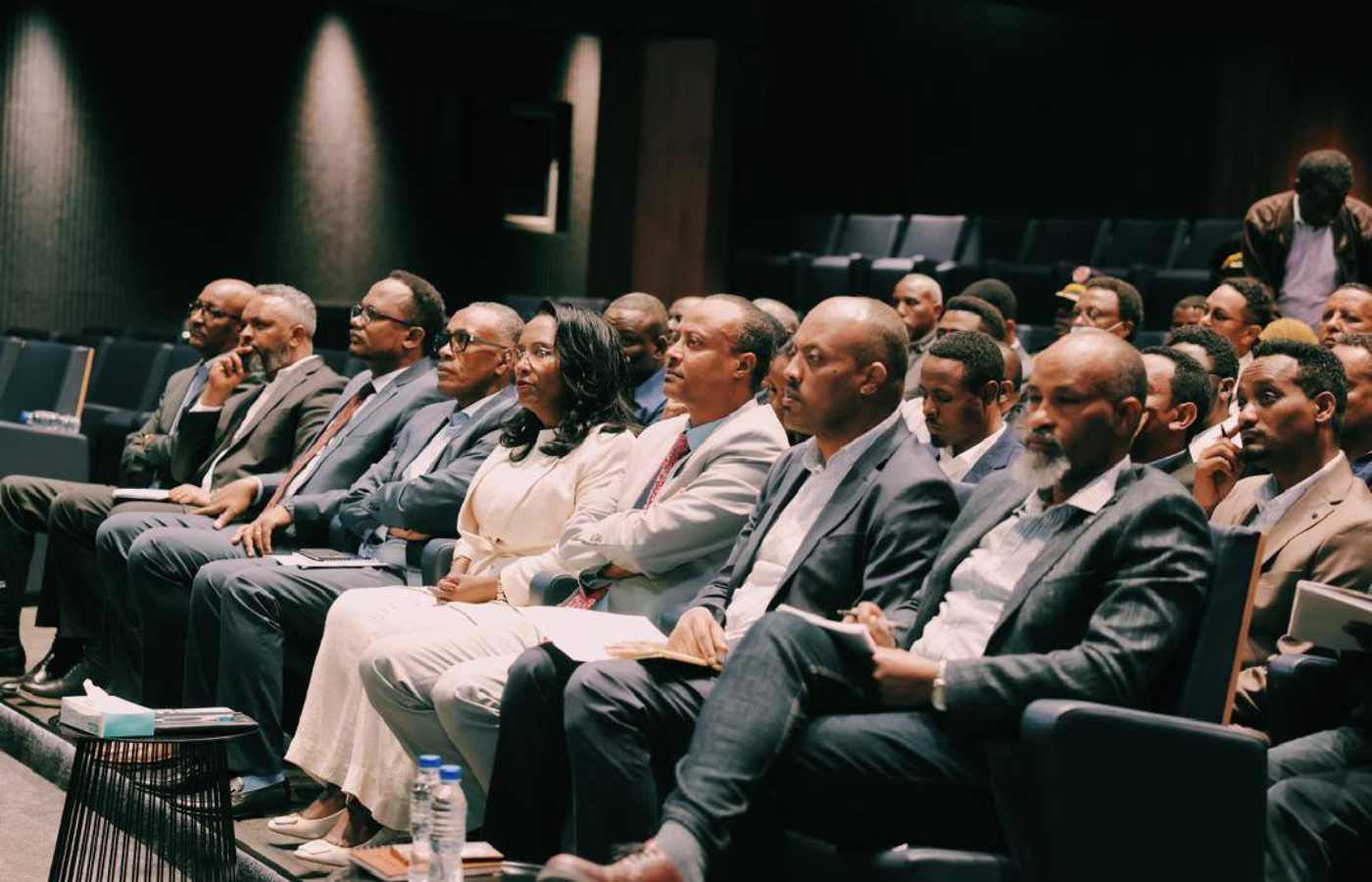
The Addis Ababa City Administration has established a Disaster Risk Council as part of a policy shift toward institutionalised preparedness, self-reliance and coordinated disaster risk management, city officials said, marking a move away from reactive, aid-dependent humanitarian responses.
The council is designed to address the growing scale and complexity of urban risks through permanent governance structures rather than ad hoc emergency arrangements.
Wondimu Seta, Addis Ababa City General Manager with the rank of deputy mayor, said the reform reflects a broader national direction that prioritises preparedness over reaction and domestic capacity over external dependency.
“The risks facing urban centres today can no longer be managed through temporary emergency responses,” Wondimu told Birrmetrics. “They require institutional systems with clear mandates, accountability and the ability to act quickly.”
From a legal and institutional standpoint, the council is established under Addis Ababa City Government Regulation No. 191/2025. The regulation grants the council authority to coordinate disaster risk reduction, preparedness, emergency response and recovery, as well as to administer an Emergency Fund.
Under the structure set out in the regulation, the council is directly accountable to the mayor, while the Addis Ababa Fire and Disaster Risk Management Commission serves as its secretariat. City officials said the arrangement is intended to ensure unified leadership, clearer lines of responsibility and faster decision-making during emergencies.
The council brings together Addis Ababa City Administration executive offices and agencies, sub-city administrations, councils, associations and chambers. Its membership also includes faith-based institutions, civil society and humanitarian organisations, media and communication institutions, and academic bodies, creating a multi-sector platform for disaster risk governance.
Strategically, the council operationalises the city’s Humanitarian Assistance Self-Reliance and Sovereignty Framework, which places emphasis on preparedness, coordinated governance and the protection of human dignity. The framework also aims to safeguard economic stability and maintain essential services during crises.
According to Wondimu, systems supported by the council and the commission have already shown results over the past six months, including the rescue of lives, the provision of thousands of pre-hospital emergency services and the protection of assets valued in the billions of birr.
“These outcomes signal a shift from emergency appeals to pre-positioned systems and resources,” he said.
The council also oversees a range of preparedness measures, including a Disaster Response Fund, strategic food and non-food reserves, humanitarian warehousing, rapid emergency response services and community responsibility mechanisms. City officials said these tools are intended to enable immediate response using municipal systems, stabilise markets during crises and reduce the long-term cost of humanitarian intervention.




