

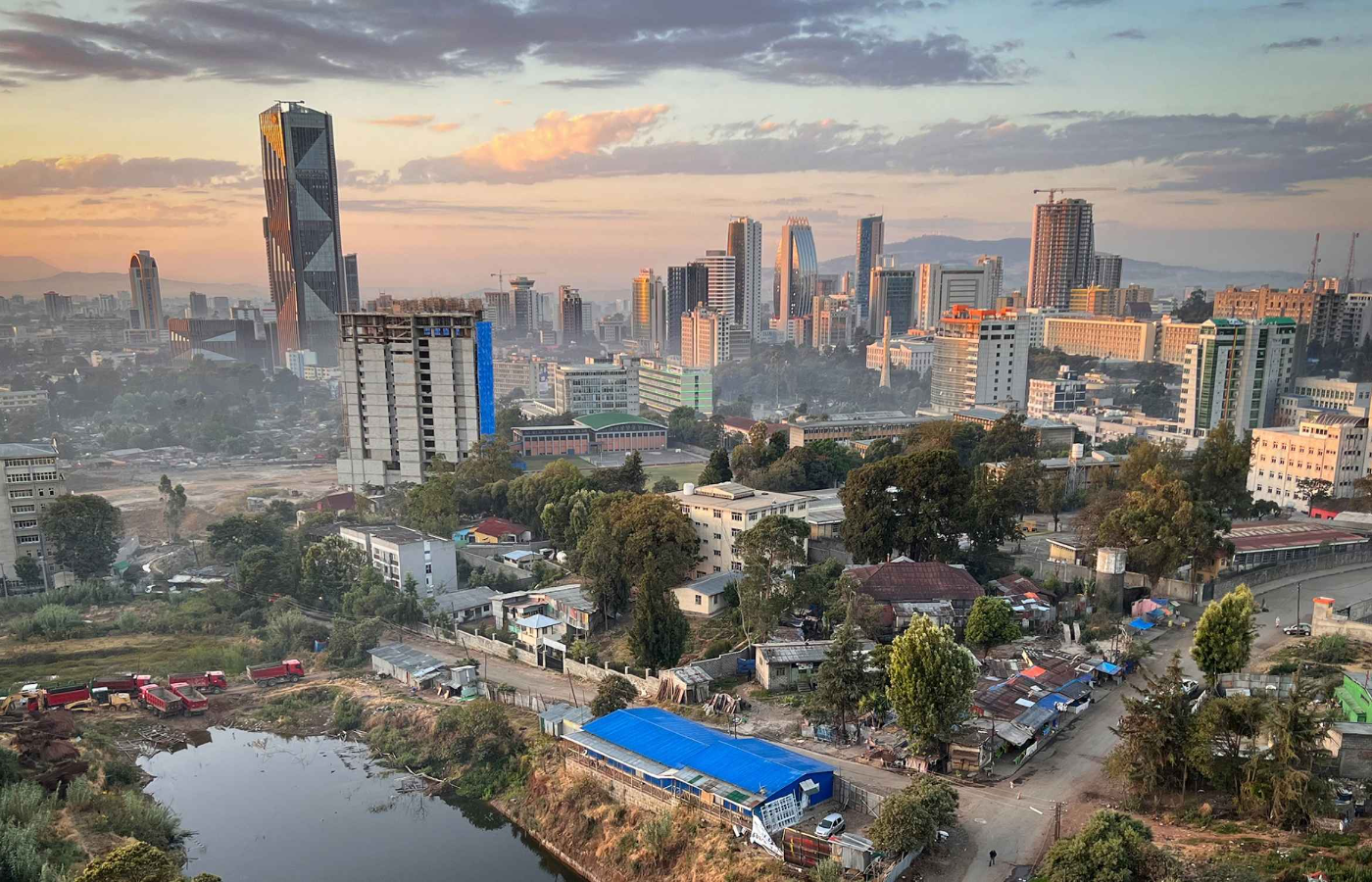
Addis Ababa has recorded an Air Quality Index (AQI) of 80, classified as “Moderate,” according to the latest data from IQAir. While generally acceptable for the population, children, the elderly, and those with respiratory or cardiovascular conditions remain at risk.
The city’s air quality has improved from earlier in September, when AQI readings reached 123, but it still ranks among the world’s most polluted urban centres. Globally, Baghdad remains the worst-affected city at 232, followed by Lahore, Kampala, Tashkent, and Kinshasa.
The sources of pollution are familiar but stubborn. Diesel-powered vehicles, construction dust, open waste burning, biomass cooking, and industrial emissions continue to drive fine particulate matter (PM2.5) levels. Yet, unlike some global counterparts, Addis Ababa shows a potential to improve rapidly through targeted interventions.
Experts suggest that the city could leverage its urban planning and expanding clean energy initiatives. Measures such as stricter vehicle emissions rules, cleaner cooking technologies, controlled construction dust, and expanded green spaces could deliver tangible improvements in months rather than years.




