

By Yared Seyoum
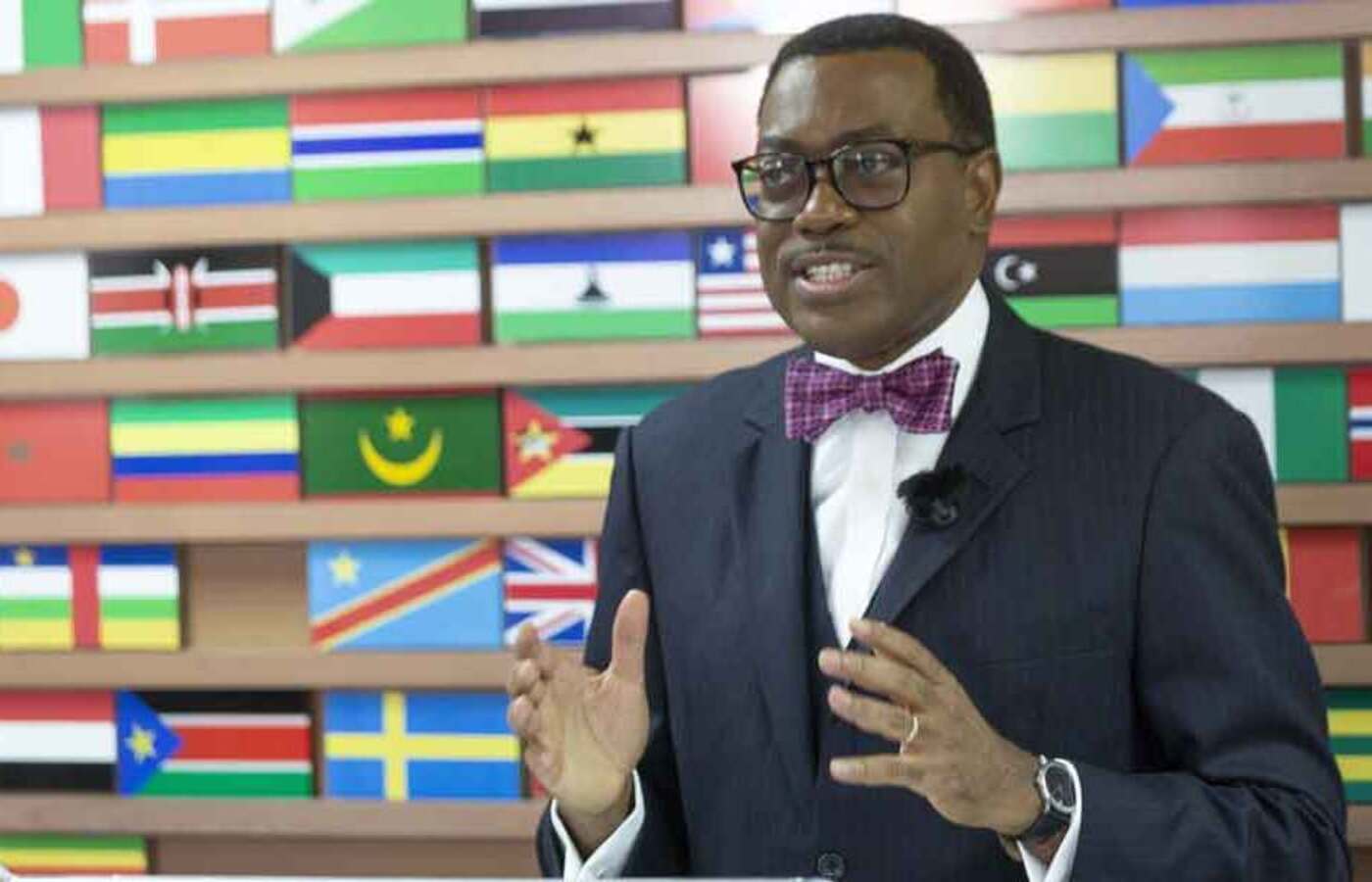
The president of the African Development Bank Group, Dr Akinwumi Adesina, has cautioned that recent tariff increases by the United States may set off significant economic disruptions across Africa, with 47 of the continent’s 54 nations likely to be directly affected.
Adesina said the revised U.S. trade measures could lead to declining export revenues and depleting foreign exchange reserves across much of the continent. “When those currencies weaken, two things will happen: first, you will find that most of these countries are import-dependent. So, you're going to find that high inflation becomes a problem,” he said. “And secondly, you find that the cost of actually servicing a lot of their debt, which is foreign currency debt, but in local currencies, is going to get worse.”
At least 22 African countries are now facing tariffs as high as 50 percent on nearly all exports to the U.S., with Lesotho, Madagascar, Mauritius, Botswana, Angola, Algeria, and South Africa among the most heavily affected. The tariff increases come in parallel with reductions to U.S. foreign assistance through USAID, which have already begun to affect access to medical supplies and humanitarian services in several African states.
Adesina also addressed the importance of increased private capital mobilisation to support the continent’s development agenda. He underscored the role of the African Development Fund, the Bank’s concessional financing facility, in leveraging resources for 37 low-income countries. “Every dollar (of the African Development Fund) leverages 10Us dollars,” he said, noting that the mechanism plays a central role in funding crosscutting priorities such as climate adaptation, gender equity, youth employment, governance and stability.
While Africa accounts for nearly 20 percent of the world’s population, it contributes under 3 percent of global GDP. However, Adesina pointed to signs of economic momentum, including the fact that ten of the world’s 20 fastest-growing economies are in Africa.
He referenced several of the Bank’s flagship programmes under its “High 5” strategic framework namely power, food security, industrialisation, regional integration, and quality of life improvements. These initiatives, he said, have collectively impacted more than 565 million people.
The Bank has invested over 55 billion US dollars in infrastructure across the continent over the past decade, positioning it as the largest single financier of African infrastructure. Among key projects cited was “Mission 300,” a joint programme with the World Bank that aims to connect 300 million Africans to electricity by 2030. “Because without electricity, what can you do? You can't industrialize, you can't add value, you can't be competitive in the dark,” Adesina said.
He also highlighted progress through the Africa Investment Forum, launched in 2018, which has since mobilised over 225 billion US dollars in investment interest. The Forum serves as a platform to advance projects, facilitate deal-making, and accelerate financial closure.
Adesina concluded by noting Africa’s investment potential, citing its demographic trends, natural resources, and agricultural capacity. “Sixty-five percent of the arable land left in the world to feed almost 9.5 billion people by 2050 is in Africa,” he said, suggesting that the continent’s role in global food security will become increasingly pivotal.




