

The African Development Bank (AfDB) and KPMG South Africa have unveiled an ambitious plan to reduce Africa’s dependence on the US dollar and euro in financing energy projects, proposing a new mechanism backed by the continent’s vast mineral wealth.
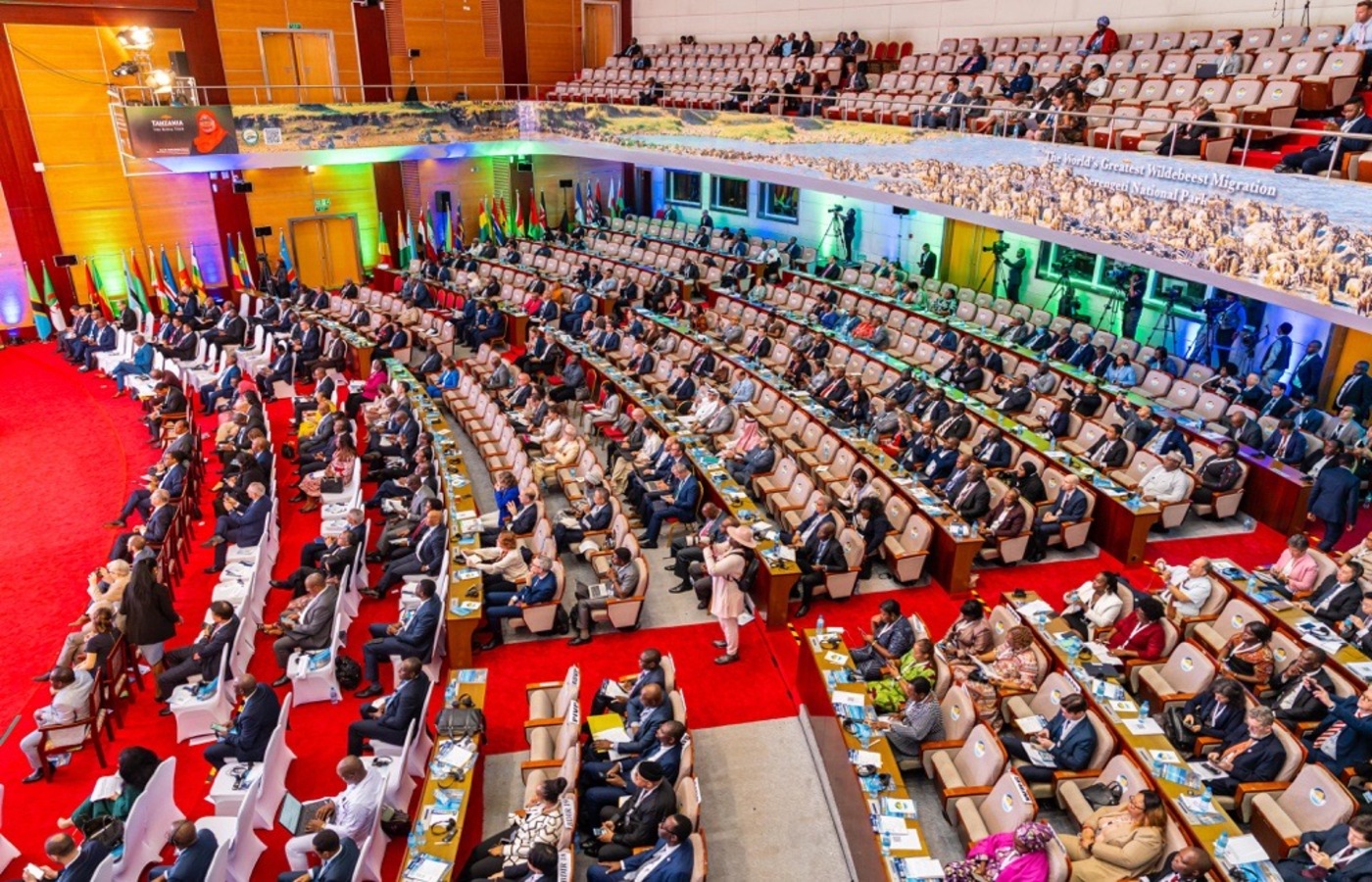
Launched at the Africa Energy Summit in Dar es Salaam, Tanzania, the report, “New Mechanism for Mitigating Currency Risk to Support Africa’s Energy Transition,” advocates for a “non-circulating currency” underpinned by a diversified basket of critical commodities.
This currency aims to mitigate foreign exchange volatility, reduce financing costs, and ensure the affordability of Independent Power Projects (IPPs) across Africa.
“Africa’s green energy future depends on unlocking innovative financial solutions that empower the continent to harness its vast mineral wealth,” said Wale Shonibare, Director of Energy Financial Solutions at AfDB.
“The proposed currency convertibility mechanism will play a crucial role in stabilising investment flows and accelerating sustainable development,” adds Shonibare.
Africa holds roughly one-third of the global supply of critical minerals essential for the energy transition, including cobalt, lithium, and rare earths.
The proposed currency would pool these resources, providing a stable alternative to traditional dollar or euro-denominated financing, which often exposes projects to currency volatility and higher costs.
The initiative is part of a broader move toward de-dollarization in Africa, aimed at reducing reliance on foreign currencies and strengthening regional financial integration.
According to the report, this approach could lower capital costs for clean energy projects, enhance Africa’s bargaining power in global markets, and unlock investment opportunities.
“The demand for critical minerals will grow exponentially over the next 30 years,” said Auguste Claude-Nguetsop, Partner at KPMG Southern Africa. “Africa’s role in the global energy transition cannot be overstated. This mechanism addresses currency risks and creates an environment for lower-cost investment.”
The report emphasizes that successful implementation could narrow Africa’s $400 billion annual funding gap for infrastructure, support sustainable development goals, and drive long-term economic growth.
Frank Blackmore, Lead Economist at KPMG South Africa, highlighted the transformative potential: “By addressing currency risks, we can unlock industrialization and enhance Africa’s economic sovereignty.”
The AfDB and KPMG are calling for immediate steps to establish governance frameworks, secure partnerships, and pilot the mechanism to demonstrate its effectiveness.
During his presidential campaign, current US President Donald Trump vowed to make de-dollarization efforts—aimed at reducing global reliance on the U.S. dollar—prohibitively expensive, pledging to impose 100 percent tariffs on nations that move away from the currency.




