

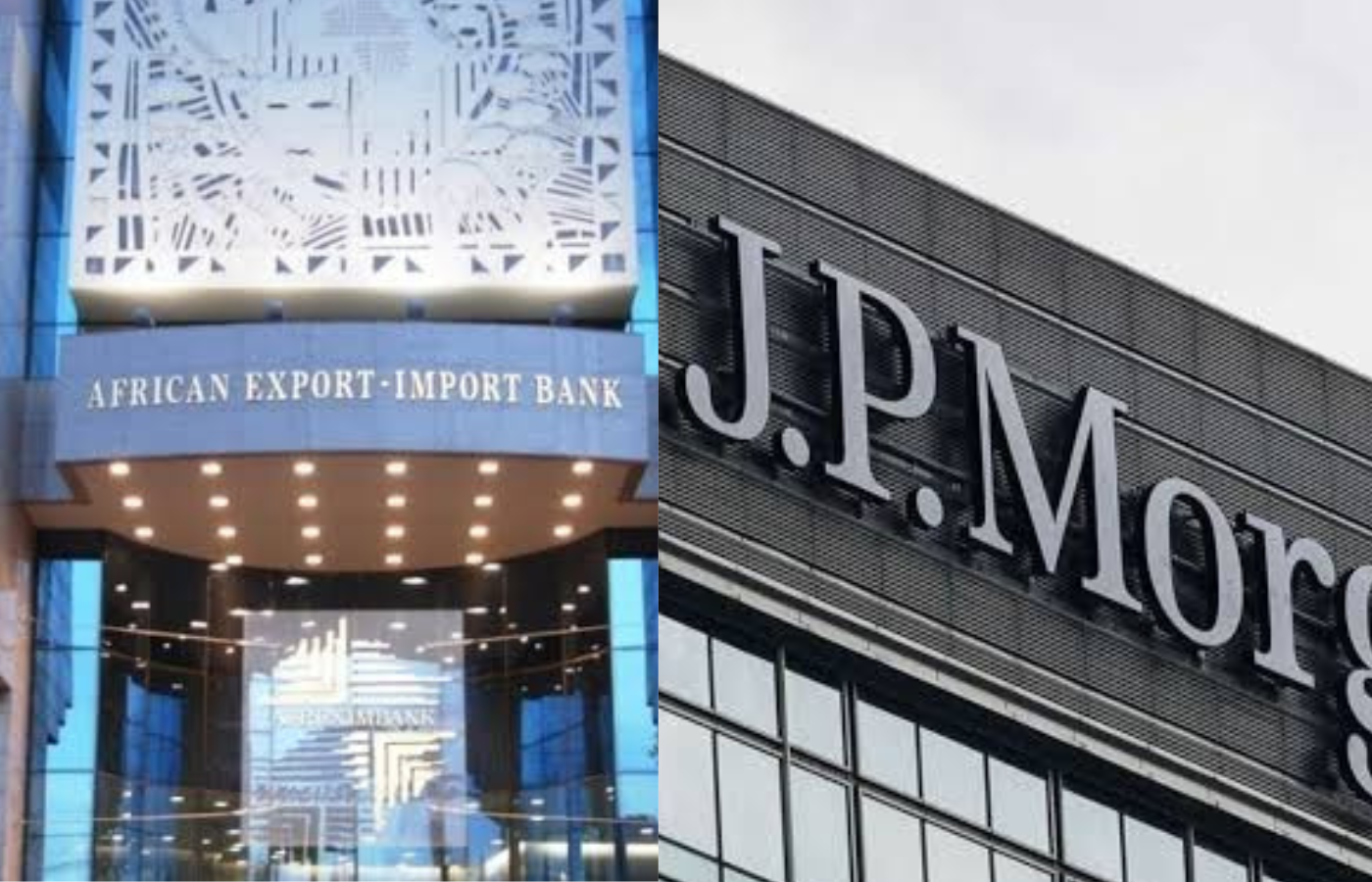
Concerns mount over preferred creditor status as Fitch flags further downgrade risk
JPMorgan has warned that the risk of African Export-Import Bank (Afreximbank) being drawn into sovereign debt restructurings is increasing — a scenario that could trigger a further downgrade from Fitch Ratings and potentially compel some investors to offload the lender’s bonds.
The US investment bank’s assessment, published in a research note this week, comes amid a growing dispute over whether Afreximbank’s loans to defaulted sovereigns, including Ghana and Zambia, are protected by its claimed preferred creditor status — a conventionally recognised, but legally unenforceable, status that typically shields multilateral development lenders from losses in restructurings.
“If the bank gets involved in a restructuring — the chances of which have increased — Fitch could downgrade the bank further from investment grade to high yield,” said JPMorgan. Such a move, the lender warned, “could lead to some forced selling of bonds.”
Fitch has already taken a dimmer view of the Cairo-based bank’s creditworthiness. On June 4, it cut Afreximbank’s rating to one notch above junk, citing high credit risk, poor risk management, and a non-performing loan ratio of 7.1 percent at the end of 2024. The downgrade sent its bonds lower and cast doubt over the institution’s ability to maintain market access on favourable terms.
Afreximbank maintains that, as a multilateral institution, its loans to Ghana, Zambia and Malawi should remain outside the scope of any restructuring discussions. The bank has not publicly commented on JPMorgan’s latest remarks.
However, JPMorgan pointed to recent public statements by both Ghanaian and Zambian authorities indicating their intent to include Afreximbank in ongoing restructuring efforts.
According to the bank, Ghana owes around 750 million US dollars, while Zambia’s outstanding debt is under 100 million US dollars.
Tensions escalated further following an investor call on Monday hosted by JPMorgan and featuring Nick Perry, director of supranationals at Fitch, and Babajide Sodipo, a senior official at Afreximbank and acting secretary of the Alliance of African Multilateral Financial Institutions.
Two sources who attended the call told Reuters that Fitch’s Perry warned that any participation by Afreximbank in sovereign debt workouts would challenge its preferred creditor status and likely trigger another downgrade to sub-investment grade.
The tone of the call was described by both sources as “unusually heated,” with investors pressing Perry on the rationale for the June downgrade and whether the agency was overreacting. Perry defended the move, citing inadequate transparency from the bank as a central concern.
Despite the potential for a further credit rating cut, JPMorgan’s Rozantsev appeared relatively sanguine about the bank’s overall position. Afreximbank, he said, “operates with decent profitability,” which should help it absorb losses from its most vulnerable sovereign exposures.
He estimated that loans to Ghana, Zambia, Malawi and South Sudan — all currently under varying degrees of financial stress — amount to around two billion US dollars, or approximately 7 percent of Afreximbank’s loan portfolio. That figure aligns with Fitch’s latest non-performing loan estimate.
Bond prices have reflected the growing unease. According to Tradeweb data, Afreximbank’s 2029 and 2031 bonds have dropped roughly three cents since Fitch’s downgrade, to 89.4 cents and 83.2 cents respectively.
Nonetheless, Rozantsev argued that the decline in valuations made the bonds more attractive on a risk-adjusted basis. Both maturities are now trading at spreads roughly 75 basis points wider than the average for comparably rated BB-BBB debt, prompting JPMorgan to upgrade its recommendation from underweight to overweight.




