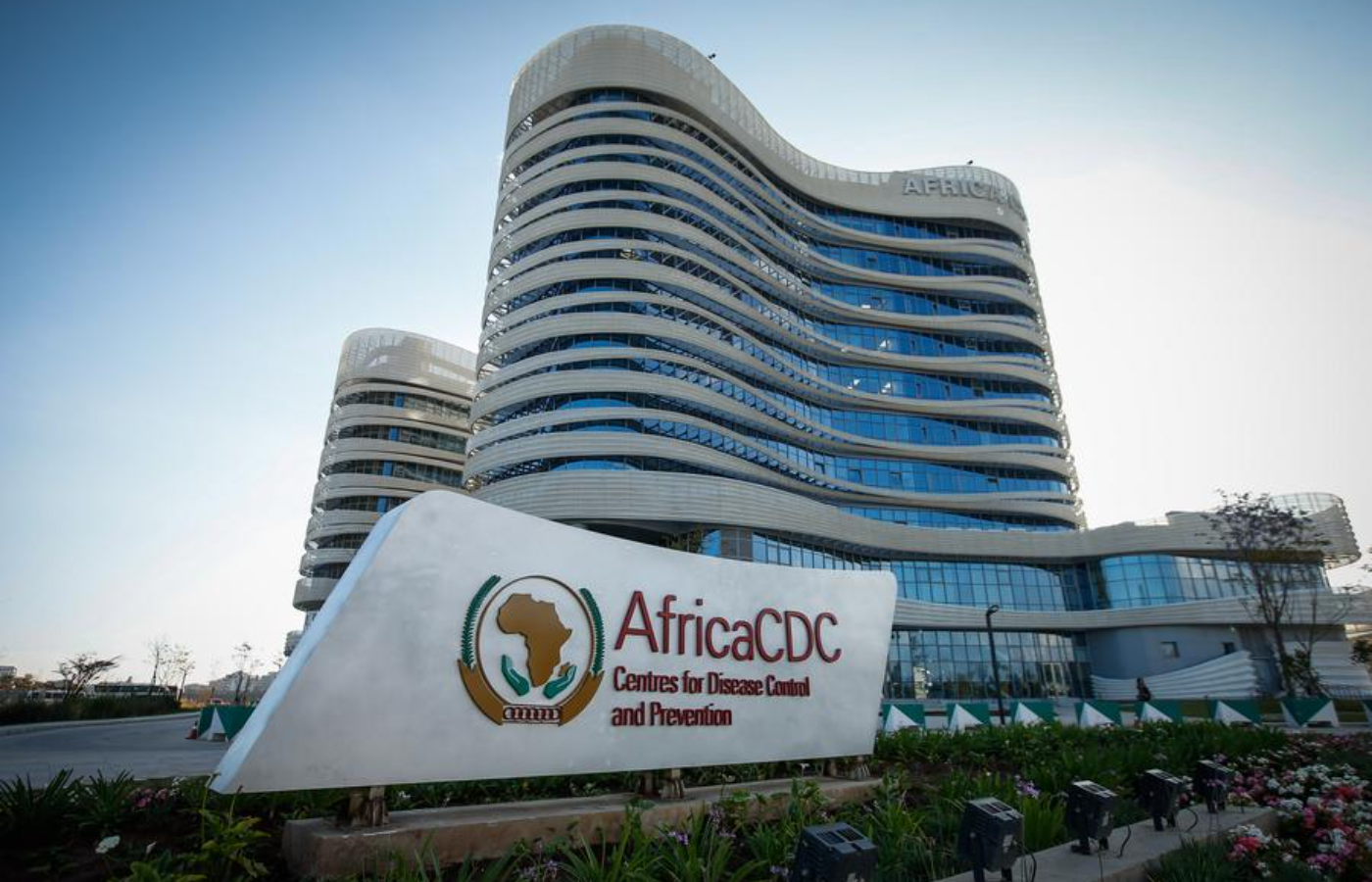
The Africa Centres for Disease Control and Prevention (Africa CDC) has been actively advising African nations on agreements with the United States that govern the delivery of global health funding, Director-General Jean Kaseya said on Thursday.
Under the deals, countries are required to promptly share pathogen data with Washington, Reuters reports. Critics have noted that the agreements do not guarantee that any drugs or vaccines developed from such data would be supplied to the affected countries.
Seventeen African nations have already signed bilateral health cooperation agreements with the United States. These include Ethiopia, Botswana, Burkina Faso, Burundi, Kenya, Cote d’Ivoir, Uganda, Lesotho, Madagascar, Malawi, Sierra Leone, Liberia, Cameroon, Eswatini, Mozambique, Nigeria, and Rwanda, according to U.S. department of State.
Ethiopia’s five-year pact, covering 2026 to 2030, includes approximately 1.016 billion United States dollars in U.S. grant financing, alongside around 450 million United States dollars in co-financing from the Ethiopian government. It covers priority health areas such as HIV/AIDS, tuberculosis, malaria, maternal and child health, public health surveillance, workforce development, and epidemic preparedness. Officials emphasised that the funds would be integrated into national planning frameworks.
Kaseya said Africa CDC initially welcomed the U.S. approach, which followed cuts to global aid, the dismantling of its aid agency last year, and the administration’s “America First” global health strategy, as reported by Reuters. Yet he declined an observer role in the negotiations, respecting the sovereignty of individual nations.
"There are huge concerns regarding data, regarding pathogen sharing," Kaseya said. He added that the agency has been supporting countries where requested and would continue to advise them if they wish to renegotiate or need guidance implementing any signed agreements.
"I said to all of my countries, you have full support from the Africa CDC. Even if you want to re-negotiate … if you want the Africa CDC to be there, we'll be there," he said.